BJP Orders Full Attendance as Parliament Fast-Tracks Women’s Quota

BJP Orders Full Attendance as Parliament Fast-Tracks Women’s Quota
Parliament session April 16-18 to push 33% women’s reservation, with Modi seeking cross-party support as MPs face a strict whip and delimitation plans unfold.
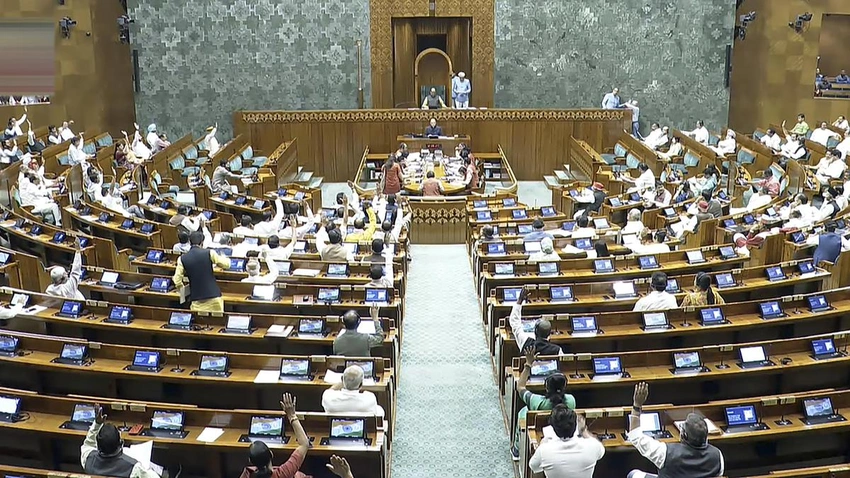
The BJP has issued a three-line whip calling for full attendance from April 16 to 18 as Parliament reconvenes for a special sitting aimed at fast-tracking the implementation of the 33% women’s reservation in the Lok Sabha and state assemblies. Prime Minister Narendra Modi has urged political parties to come together in support of the measure, framing it as a historic step for democracy.
The Nari Shakti Vandan Adhiniyam, passed in 2023, was always contingent on a delimitation exercise and the ongoing census before its reservation provisions could take effect. The Union Cabinet has now approved the introduction of two bills during the special session and the setting up of a delimitation commission. The directive to lawmakers is explicit: no leaves, uninterrupted attendance, and strict compliance with the whip.
In a parallel push, Modi wrote to the floor leaders of Lok Sabha and Rajya Sabha, calling for collective action to ensure the reservation is in place by the 2029 Lok Sabha and assembly elections. He stressed that women’s political participation is central to India’s long-term growth, noting achievements across sectors—from space to sports, and from armed forces to startups—as evidence of their capabilities.
Reaction from the opposition was swift. Congress leader Mallikarjun Kharge questioned the timing and accused the government of acting without consultative engagement, suggesting the move could be driven by political mileage rather than consensus. The debate dovetails with questions over whether the plan relies on 2011 census data for implementation timelines, a detail echoed by media reports ahead of the session.
The government also announced that two bills would be introduced alongside the delimitation commission arrangement, signaling a broader push to align constitutional amendments with electoral redrawing ahead of the 2029 elections. As the session nears, supporters argue the measure would expand women’s representation across the polity, while critics urge careful, inclusive deliberation to secure durable reform.
