Home Office Expands Military Site Use for Asylum Seekers, Sparks Debate

Home Office Expands Military Site Use for Asylum Seekers, Sparks Debate
UK Home Office plans to house thousands of asylum seekers in former military sites after closing over 20 hotels. The move faces strong criticism from charities and local communities.
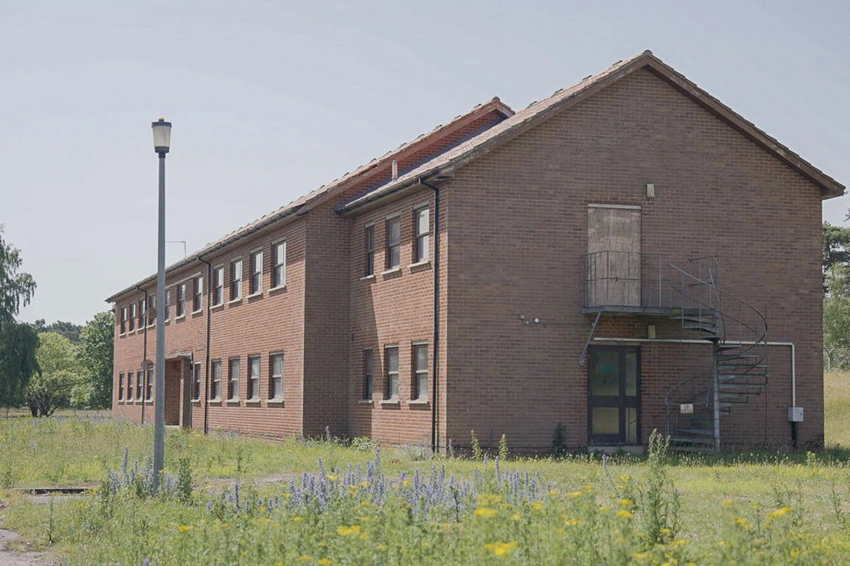
The Home Office is set to significantly increase its use of former military sites to accommodate thousands of asylum seekers, a move that comes as more than 20 asylum hotels are shut down. This strategy involves earmarking three new former Ministry of Defence (MoD) sites – MoD Bicester, MoD Barnham, and MoD Linton-on-Ouse – with the aim of housing approximately 3,750 asylum seekers.
Officials have initiated discussions regarding the use of these sites but are yet to secure planning permission. The Home Office confirmed on Thursday that these plans are likely to encounter considerable local opposition. This isn't the first attempt; in 2022, under the previous Conservative government, a similar plan to use the former RAF base Linton-on-Ouse in North Yorkshire was abandoned after the Ministry of Defence reversed its decision.
Concerns are already being voiced by local representatives. Nick Timothy, Conservative MP for West Suffolk, has expressed strong opposition to using RAF Barnham near Thetford, stating that housing asylum seekers there “would affect safety, services and cohesion” in the area.
The Home Office currently utilizes the former RAF base Wethersfield in Braintree, Essex, which has been described as “prison-like,” to house migrants. Under the new plans, the capacity at this controversial site will be expanded from 800 to over 1,200 bed spaces.
Minister Alex Norris has defended the government’s approach, arguing that using these larger sites will help in “reducing those pull factors” for migrants coming to the UK, even though such sites are often more expensive than hotels.
However, refugee charities have vehemently condemned the decision. Imran Hussain, director of external affairs at the Refugee Council, criticized ministers for “repeating policies that failed in the recent past.” Kamena Dorling, director of policy at the Helen Bamber Foundation, highlighted the severe conditions at these locations: “These sites are extremely isolated, resemble prisons with barbed wire and surveillance and lack privacy.” She emphasized that such environments could cause “profound and long-lasting harm to [asylum seekers’] mental and physical health.”
The announcement precedes the introduction of new immigration reforms to Parliament next week, setting the stage for further debate and scrutiny over the UK’s asylum policy.
