Delhi man builds DIY air purifier for Rs 2,000, claims dramatic AQI drop

Delhi man builds DIY air purifier for Rs 2,000, claims dramatic AQI drop
In Delhi’s choking smog, a DIY purifier built for under Rs 2,000 is claimed to slash room AQI from near 400 to 50 in minutes, sparking debate on affordable fixes.
Delhi's air quality has plunged into the severe range, turning daily life into a breath-by-breath challenge for residents. As authorities grapple with mounting pollution, one Delhi resident shared a DIY fix that has people talking: a home-built air purifier costing just about Rs 2,000, claimed to dramatically cut indoor air pollution in minutes.
The maker said the device uses a 150mm exhaust fan, a HEPA filter, a switch and regulator, and basic wiring, all assembled with cardboard and a glue gun. The total cost stays just under Rs 2,000. He claimed the unit brought his room’s AQI down from roughly 380–400 to around 50 in less than 15 minutes, a result that, if reproducible, would outpace many off-the-shelf purifiers.
He described the setup as simple, accessible, and potentially a game-changer for households struggling with the cost of branded purifiers during peak pollution periods. He noted the purifier performed better than a brand-name unit he owns, sparking curiosity about DIY solutions as an affordable alternative for those facing high pollution levels.
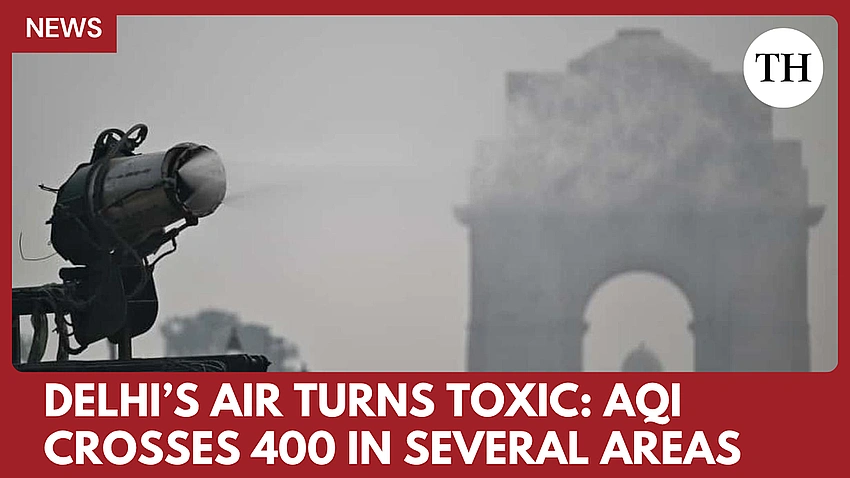
Beyond individual experiments, Delhi’s air situation remains a topic of urgent public policy. Readings have at times crossed the 400 mark in several areas, leading authorities to activate stages of the Graded Response and Action Plan (GRAP) and prompting measures such as parking-fee hikes to deter pollution-causing activities. In the city’s recent updates, numbers have shown fluctuations, with some days reporting improvements while others see slipping air quality back toward the severe category. Officials have indicated that Stage III actions remain under consideration as winter pollution intensifies.
As residents weigh do-it-yourself options against formal preventive steps, many stress that a lasting solution requires coordinated policy measures, industrial emission controls, and robust public health guidance. Still, the affordability and accessibility of a Rs 2,000 purifier could offer a practical stopgap for households pressed by the cost of commercial devices, at least in the short term. In the meantime, experts caution users to consider safety, filtration quality, and proper maintenance when experimenting with improvised devices.
For now, the story underscores a broader truth: in a city facing severe air pollution, innovative ideas—whether from researchers, citizens, or small startups—are increasingly put to the test against a complex, long-term environmental challenge.
Cover image source: Watch: Delhi’s AQI soars beyond 400, triggering health emergency alerts 🔗
