Two-Cornered Contest Heats Up in Vepanahalli Ahead of TN 2026 Polls

Two-Cornered Contest Heats Up in Vepanahalli Ahead of TN 2026 Polls
In Vepanahalli, voters brace for a tight two-way race as land deals and SIPCOT plans reshape the agrarian-industrial landscape ahead of Tamil Nadu's 2026 elections.
Vepanahalli constituency sits on a map that is geographically split by the Krishnagiri-Bengaluru National Highway, with one bloc closer to Krishnagiri town and another tailing toward Hosur. The non-contiguous geography means residents on both sides share a common vote but face sharply different everyday concerns, from farming livelihoods to access to markets and services.
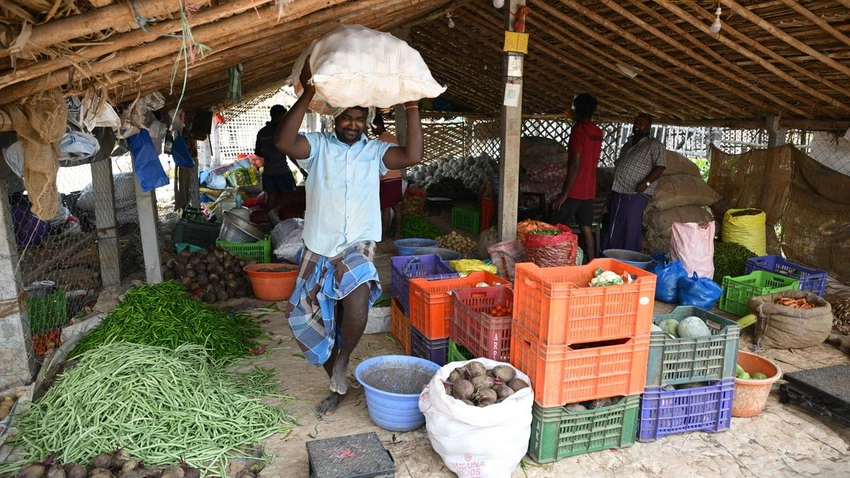
On the farming front, the area is primarily agrarian with horticultural cropping. The description underscores a landscape where horticulture and related crops form the economic backbone for many households, making rural prosperity and agricultural policy a central theme for candidates.
Parts of Shoolagiri and Udhanapalli are facing imminent land alienation with notification of lands for establishment of SIPCOT industrial estates, given its proximity to Hosur’s industrial ecosystem. The prospect of industrial expansion brings potential jobs but also anxiety over land use and displacement among farmers and small landowners.
Campaigns in the constituency are expected to hinge on how parties balance industrial growth with agrarian livelihoods. Voters may hear competing promises on infrastructure, water management, and better market access, with the highway-divided geography prompting tailored messages for each pocket of the electorate.
Observers note that the two-cornered contest could sharpen contrasts in development approaches: one side may emphasize accelerated industrialization around SIPCOT zones, while the other highlights safeguards for farmland and local services. Across the campaign, residents will weigh immediate employment opportunities against long-term community stability as Tamil Nadu’s 2026 election unfolds.
