Pentagon Probes Lethal US Airstrikes on Drug Boats in Latin America

Pentagon Probes Lethal US Airstrikes on Drug Boats in Latin America
Is the US military overstepping? A new Pentagon watchdog inquiry investigates whether lethal strikes on drug-smuggling boats in Latin America followed legal guidelines.
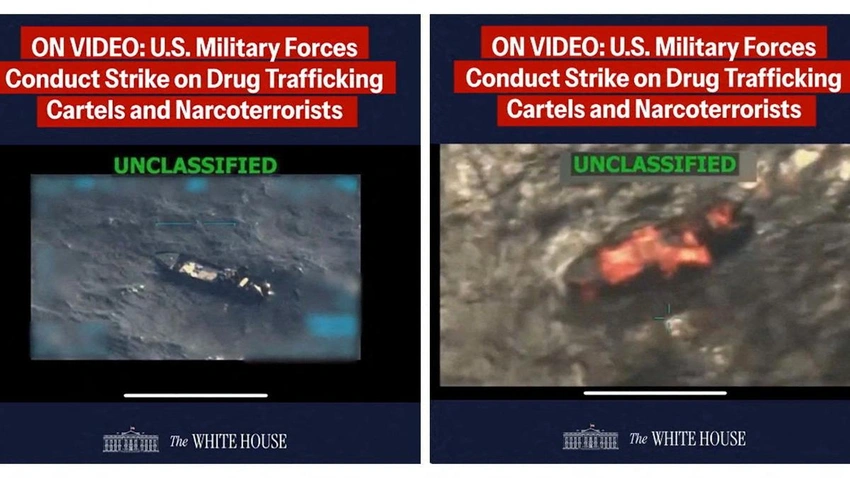
The Pentagon’s Inspector General has officially launched an inquiry into the U.S. military’s use of lethal force against boats suspected of smuggling drugs in Latin America. This investigation seeks to determine if the military followed established targeting frameworks during these operations in the Caribbean and the eastern Pacific.
Over the past year, dozens of alleged drug-smuggling vessels have been targeted by U.S. airstrikes. While the military describes these actions as essential to national security and counter-narcotics efforts, legal experts and human rights organizations are raising significant concerns. Some argue that these strikes could be classified as extrajudicial killings because they appear to target individuals who may not pose an immediate physical threat to the United States.
The watchdog's primary goal is to evaluate whether the proper legal and procedural steps were taken before lethal force was authorized. This includes checking if the established targeting framework—a set of rules that governs when and how the military can strike—was strictly adhered to by commanders on the ground.
As the investigation moves forward, it will highlight the tension between aggressive drug interdiction and the legal protections afforded to civilians in international waters. The results of this probe could change how the U.S. military conducts operations against smuggling networks in the future, ensuring that lethal force is used only within the bounds of international law.
