IRIS Dena Sinking Tests India's Maritime Reach in Indian Ocean

IRIS Dena Sinking Tests India's Maritime Reach in Indian Ocean
Sinking of IRIS Dena near Sri Lanka sparks debate over India's control of the Indian Ocean and EEZ security.
The Indian Ocean is not just a vast body of water; it is a corridor of commerce and a theater for strategic influence. For India, the ocean holds immense importance because its Exclusive Economic Zone (EEZ) spans about 2.3 million square kilometres, granting it exclusive rights to resources like fish, oil, and gas within 200 nautical miles of its coastline. India’s territorial waters extend only 12 nautical miles, but its EEZ gives it a crucial say over offshore activities in key areas such as the Arabian Sea and the Bay of Bengal. The Andaman and Nicobar Islands further extend India’s maritime reach, placing it in proximity to chokepoints such as the Malacca Strait. Yet beyond the EEZ lies the high seas, where no nation holds sovereign rights and free navigation and research are the norm.
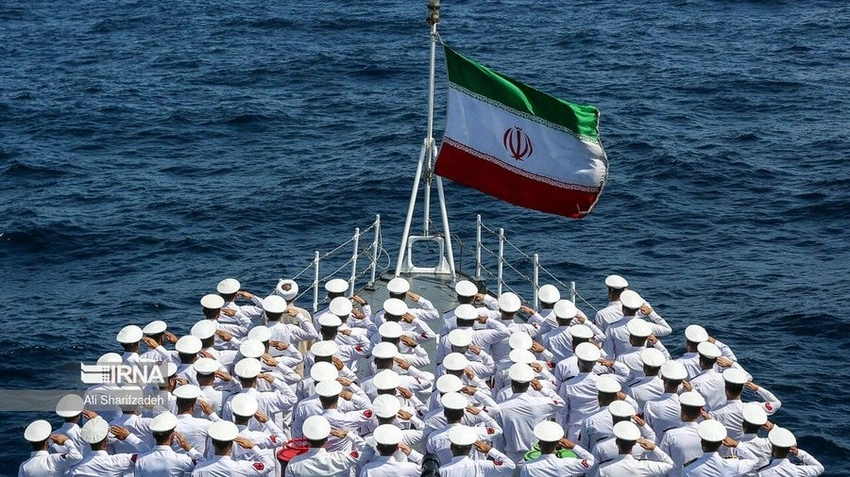
Recent events, including the sinking of the Iranian frigate IRIS Dena by the US Navy in international waters off Sri Lanka, have reignited debates about how much control India truly wields in this strategic arena. While India remains central to regional security, its jurisdiction is not absolute; the ocean is shared with neighbours like Sri Lanka, the Maldives, and Indonesia. More than 90% of India’s trade passes through these waters, underscoring why maritime security in the Indian Ocean matters to New Delhi and its partners. The incident has prompted questions about how nations should balance freedom of navigation with sovereignty and resource management in a region where many states depend on sea routes for economic lifelines.
Analysts note that India’s influence is significant but not exclusive. The sea lanes through the Indian Ocean are a shared space in which regional cooperation and interoperability with partners—both bilaterally and through wider formats—become essential. The event also raises broader strategic questions about the region’s security architecture, including how powers like the US and others view naval presence and freedom of navigation near these busy routes. In India, domestic reactions have surfaced as well, with some voices urging a clearer public stance from leadership in the wake of the Dena incident. While the government’s direct response remains a developing story, the broader takeaway is that the Indian Ocean’s security landscape is evolving, and India’s role will depend on a mix of assertive regional engagement, robust naval readiness, and collaborative ties with neighbouring states and distant partners.
In short, IRIS Dena’s sinking has not rewritten the map of maritime power, but it has highlighted the delicate balance between a nation’s EEZ rights and the shared realities of a deeply interconnected ocean corridor that India relies on for trade and strategic depth.

Login to comment.
No thots yet. Be the first to share your thoughts!