Vinicius Law: Mouth-covering players face red cards at World Cup

Vinicius Law: Mouth-covering players face red cards at World Cup
IFAB approves two FIFA-backed amendments, including red cards for mouth-covering confrontations, moving ahead with Vinicius Law ahead of the World Cup.
In Vancouver, the International Football Association Board approved two FIFA-proposed amendments to the game’s laws, signaling a tougher stance on on-pitch confrontations. The changes, described as competition opt-ins, would see players who cover their mouths when speaking to opponents during confrontations potentially shown a red card, while players who leave the pitch in protest could also face the same punishment. FIFA confirmed the amendments will be adopted at this summer’s World Cup, pending final implementation by member associations.
The mouth-covering rule has become a high-profile topic after incidents at major competitions drew attention to players using gestures or expressions during conflicts. The decision once again places referees in a position of broad discretion, requiring careful consideration of each incident before issuing any sanctions. The second amendment targets players who abandon the field in protest, aiming to curb dramatic walkouts that disrupt matches and undermine refereeing authority. Both changes were approved as competition opt-ins by Ifab at its annual meeting in Wales and Vancouver, with the understanding that referees will apply them in relevant situations during the World Cup.
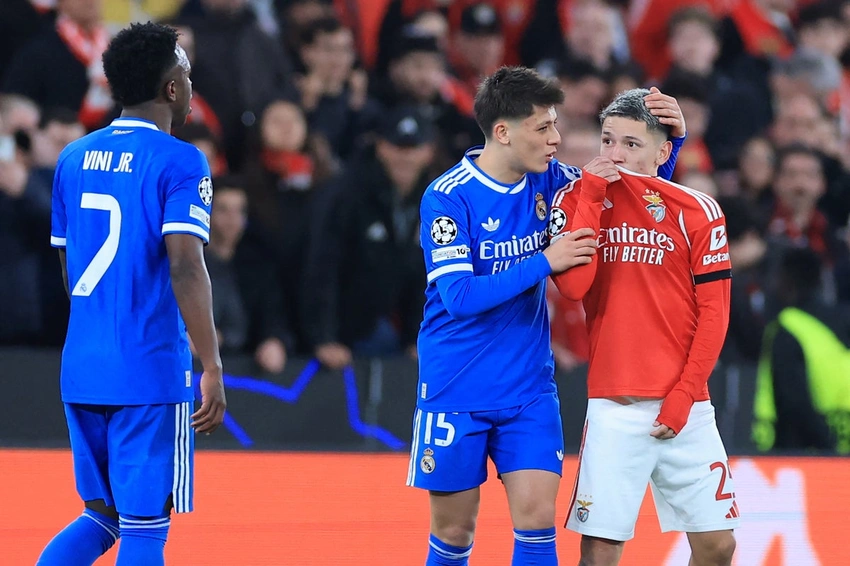
Background to the debate includes February’s incident involving Gianluca Prestianni, Benfica’s winger, who covered his mouth during a Champions League encounter with Real Madrid’s Vinicius Junior. The episode sparked accusations of racist abuse and led to a provisional one-match ban for Prestianni. A UEFA investigation later found him guilty of homophobic conduct, resulting in a ban of six matches (three suspended). The new rules come amid efforts to address such on-pitch taunts and to reinforce fair play under intense match conditions. The changes reflect a broader push within football governance to clarify acceptable conduct and empower referees to act decisively in moments of confrontation, with an emphasis on protecting players and the integrity of the competition.
