op Concrete Sidewalk Repair in Staten Island by NYC Sidewalk Repair

op Concrete Sidewalk Repair in Staten Island by NYC Sidewalk Repair
A well-maintained sidewalk does more than just boost your property's curb appeal; it ensures the safety of everyone who walks by. In a bustling borough like Staten Island, a cracked or uneven sidewalk isn't just an eyesore—it's a liability. Property owners are responsible for keeping their sidewalks in good repair, and neglecting this duty can lead to costly violations and potential lawsuits.
If you've noticed your sidewalk is showing signs of wear and tear, you're in the right place. This guide will walk you through everything you need to know about concrete sidewalk repair Staten Island 🔗, from identifying common problems to understanding the repair process and choosing the right contractor for the job. We'll provide the expert insights you need to make informed decisions and restore your sidewalk to a safe and pristine condition.
Why Sidewalk Maintenance is Crucial in New York City
In NYC, the Department of Transportation (DOT) holds property owners accountable for the condition of the sidewalks adjoining their properties. This means if your sidewalk is cracked, uneven, or otherwise damaged, you could receive a DOT violation notice.
These notices aren't just simple warnings; they come with a strict deadline for repairs. Failure to comply can result in the DOT hiring their own contractors to perform the work and then billing you for the service, often at a much higher rate than a private contractor would charge. Beyond the financial penalties, a damaged sidewalk poses a significant trip-and-fall hazard. Pedestrians who injure themselves on your property can file personal injury claims, leading to expensive legal battles and potential liability for medical costs. Regular maintenance and timely repairs are the best ways to avoid these issues and ensure your property remains safe and compliant.
Common Causes of Sidewalk Damage in Staten Island
Staten Island's sidewalks face a unique set of challenges that contribute to their deterioration over time. Understanding these factors can help you anticipate problems and take preventative measures.
Freeze-Thaw Cycles
New York's weather is a primary culprit. During winter, water seeps into the small pores and cracks in the concrete. When temperatures drop, this water freezes and expands, exerting immense pressure on the concrete from within. This process, known as the freeze-thaw cycle, widens existing cracks and creates new ones, weakening the sidewalk's structure over time.
Tree Roots
Staten Island is known for its beautiful, mature trees. While they add to the borough's charm, their roots can wreak havoc on sidewalks. As tree roots grow, they can push up against the concrete slabs from underneath, causing them to lift, crack, and become uneven. This is one of the most common reasons for sidewalk damage and often requires specialized repair techniques.
Heavy Vehicle Traffic
Although sidewalks are designed for pedestrians, they sometimes bear the weight of heavy vehicles, such as delivery trucks or construction equipment, especially if they are driven over to access a driveway or work site. Concrete is strong, but it's not indestructible. The immense pressure from these vehicles can cause slabs to crack or sink.
Soil Erosion and Compaction
The ground beneath your sidewalk is not static. Over time, soil can erode due to water runoff or settle and compact. When the underlying support is compromised, the concrete slabs can sink or shift, creating uneven surfaces and dangerous trip hazards. Poor drainage around the property often accelerates this process.
Age and Wear
Like any material, concrete deteriorates with age. Decades of foot traffic, weather exposure, and environmental stressors take their toll. Older sidewalks are more susceptible to cracking, spalling (flaking or chipping), and general degradation.
Identifying When Your Sidewalk Needs Repair
Knowing what to look for can help you address sidewalk issues before they become major problems. Here are some clear signs that it's time to call a professional for concrete sidewalk repair Staten Island:
- Extensive Cracking: While a few hairline cracks might be normal, large, deep, or widespread cracks (often called "spiderweb" cracks) are a sign of structural weakness.
- Uneven Slabs: If one section of your sidewalk is higher or lower than the adjacent one, it creates a serious trip hazard. The DOT is particularly strict about uneven surfaces.
- Potholes or Spalling: Missing chunks of concrete or areas where the surface is flaking away not only look bad but can also collect water, leading to further damage during freeze-thaw cycles.
- Lifting from Tree Roots: If you see a sidewalk slab being pushed upward, often with visible tree roots nearby, it needs immediate attention before it becomes a more severe hazard.
- Pooling Water: Areas where water consistently pools after rain indicate that the sidewalk has sunk or has improper grading. This standing water can accelerate deterioration.
- If you observe any of these issues, it's wise to consult with a reputable contractor like NYC Sidewalk Repair 🔗 to get a professional assessment.
The Sidewalk Repair Process: What to Expect
When you hire a professional contractor for sidewalk repair, they will typically follow a structured process to ensure the work is done correctly and efficiently.
Step 1: Inspection and Estimate
The first step is a thorough inspection of the damaged area. A qualified contractor will assess the extent of the damage, identify the underlying cause, and determine the best course of action. They will then provide you with a detailed, written estimate outlining the scope of work, materials to be used, and the total cost. This is your opportunity to ask questions and ensure you understand the proposed solution.
Step 2: Obtaining Permits
In New York City, most sidewalk repairs require a permit from the DOT. A professional contractor will handle this entire process for you. They know the city's codes and requirements, ensuring that all paperwork is filed correctly to avoid any delays or legal issues. Attempting to do the work without the proper permits can result in hefty fines and an order to redo the job.
Step 3: Demolition and Removal
Once the permits are secured, the crew will begin by demolishing and removing the damaged sections of the concrete. They will use specialized equipment like jackhammers and concrete saws to break up the old material. All debris is then carefully removed from the site, leaving a clean area for the new installation.
Step 4: Site Preparation
This is a critical stage. The team will prepare the ground beneath the sidewalk, which may involve grading the soil, adding and compacting a new sub-base of gravel, and addressing any issues like invasive tree roots. Proper site preparation is essential for the longevity and stability of the new sidewalk.
Step 5: Pouring and Finishing the Concrete
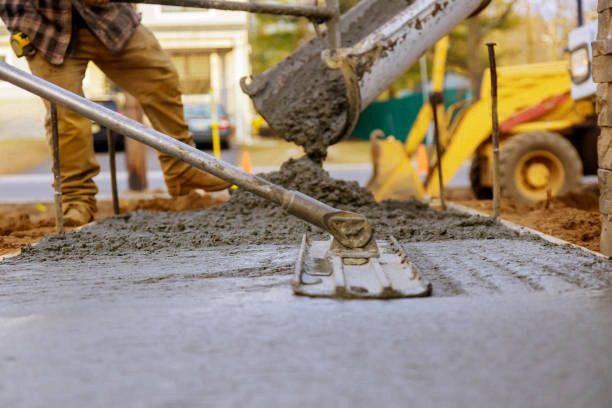
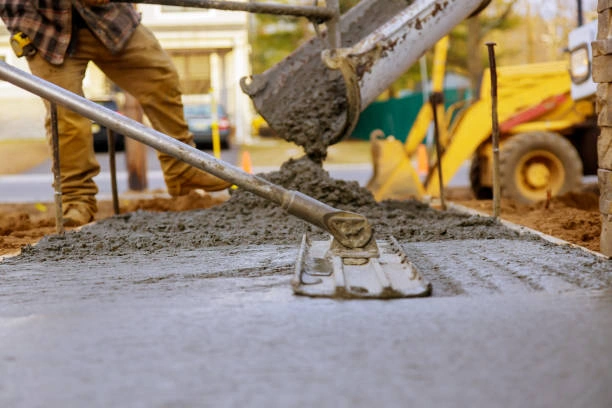
With the site prepared, wooden forms are set up to hold the fresh concrete in place. The concrete mixture is then poured into the forms. Skilled workers will level the concrete and use special tools to create a smooth, non-slip finish. They will also add control joints, which are planned grooves that help prevent random cracking in the future.
Step 6: Curing and Cleanup
The new concrete needs time to cure and harden properly. This process can take several days, and the area will be cordoned off to prevent anyone from walking on it prematurely. Once the concrete is sufficiently cured, the forms are removed, and the entire work area is cleaned up, leaving you with a brand-new, safe sidewalk.
DIY vs. Hiring a Professional Contractor
For property owners facing a sidewalk violation, the thought of saving money with a DIY repair can be tempting. However, when it comes to concrete work in NYC, hiring a professional is almost always the better choice.
A DIY approach is fraught with risks. You would be responsible for securing the correct permits, understanding complex city codes, renting heavy equipment, and properly mixing and pouring the concrete. A small mistake in any of these areas can lead to a failed inspection, forcing you to tear everything out and start over.
In contrast, a licensed and insured contractor like NYC Sidewalk Repair offers peace of mind. They have the experience, equipment, and knowledge to do the job right the first time. They manage all the permits, ensure compliance with DOT standards, and are insured against any accidents. While the upfront cost may be higher than a DIY attempt, the long-term value and avoidance of costly mistakes make professional service a wise investment.
Finding the Right Sidewalk Repair Contractor
Choosing the right team is crucial for a successful project. Not all contractors are created equal, especially when it comes to navigating NYC's regulations. While there are many options, including a sidewalk repair contractor Brooklyn 🔗 or a sidewalk repair contractor Bronx 🔗, finding a specialist who understands Staten Island's specific needs is key.
Here's what to look for:
- Licensing and Insurance: The contractor must be licensed by the NYC Department of Consumer Affairs and carry comprehensive liability and workers' compensation insurance.
- Experience with NYC DOT: Look for a company that has extensive experience working with the DOT and a proven track record of getting violations dismissed.
- Local Reputation: Check online reviews, ask for references, and look at examples of their previous work in your area.
- Detailed Written Estimates: A professional contractor will always provide a clear, itemized estimate with no hidden fees.
Frequently Asked Questions (FAQ)
How long does a new concrete sidewalk last?
A properly installed concrete sidewalk can last for 20 to 40 years, or even longer. The lifespan depends on factors like the quality of the installation, the local climate, the amount of foot traffic, and whether it's affected by tree roots.
Can I just patch the cracks in my sidewalk?
Patching can be a temporary solution for very small, hairline cracks. However, it does not address underlying structural issues. For large cracks, uneven slabs, or damage from tree roots, a full slab replacement is usually necessary to pass a DOT inspection.
How soon can I walk on my new sidewalk?
You should wait at least 24 to 48 hours before allowing any foot traffic on new concrete. For the concrete to reach its full strength, it's best to wait about a week before subjecting it to any heavy objects or significant use. Your contractor will provide specific instructions.
What happens if I ignore a DOT sidewalk violation?
If you fail to make the required repairs by the deadline on your violation notice, the DOT may hire its own contractor to do the work. The city will then bill you for the repair costs, plus administrative fees, on your property tax bill. These costs are typically much higher than what you would pay a private contractor.
Your Partner for Sidewalk Safety in Staten Island
A safe and well-maintained sidewalk is a shared responsibility that enhances the entire community. Taking proactive steps to repair damage not only protects you from violations and legal liabilities but also contributes to a safer, more attractive neighborhood.
When it comes to concrete sidewalk repair Staten Island, you need a trusted partner who combines quality craftsmanship with an in-depth understanding of NYC regulations. At NYC Sidewalk Repair, we have been serving property owners across the five boroughs for years, delivering reliable solutions that stand the test of time.
If you're dealing with a cracked, uneven, or violated sidewalk, don't wait for the problem to get worse. Contact us today for a free, no-obligation inspection and estimate 🔗. Let our team of experts restore your sidewalk and your peace of mind.

Login to comment.
No thots yet. Be the first to share your thoughts!