Neon Ghosts: Why We Can't Quit the 2010s Mall Aesthetic

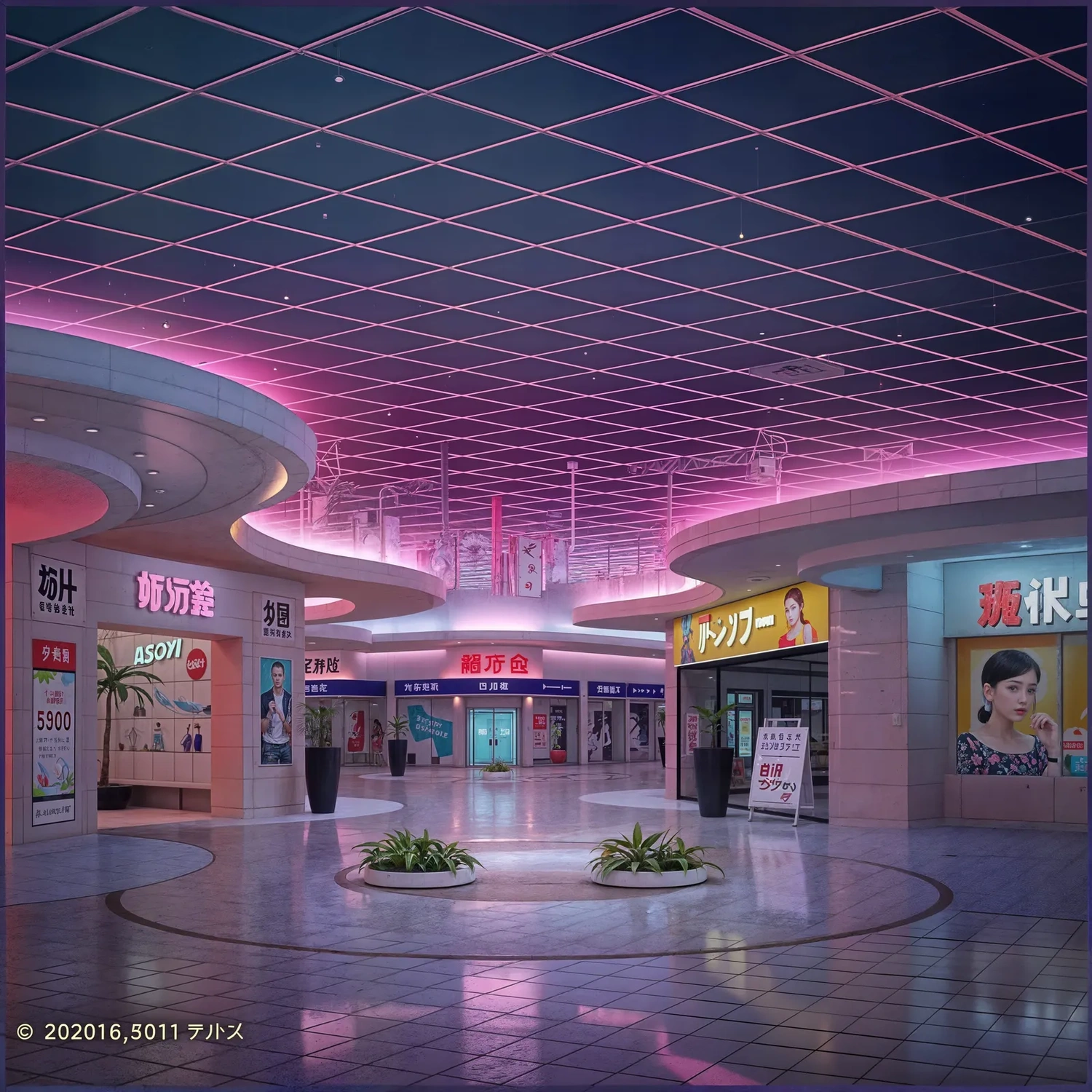
Neon Ghosts: Why We Can't Quit the 2010s Mall Aesthetic
Does the smell of mall pretzels and the sound of synth-pop make you feel like you are in a simulation? Caleb Young explores the hyper-niche nostalgia of the 2010s mall.
The Neon Ghost in the Food Court: Why We Miss the 2010s Mall
I remember the exact humidity of the food court in 2012. It was a weird mix of Panda Express steam and the heavy, synthetic scent of whatever cologne Hollister was pumping through the vents back then. We did not realize it at the time, but we were living in the final days of a physical social empire.
For those of us who grew up in the transition between the analog world and the total digital immersion of today, the 2010s mall represents a very specific kind of hyper-niche nostalgia.
It was not the neon-soaked peak of the 1980s that movies always celebrate. It was something weirder. It was the era of the 3DS StreetPass, the first generation of Instagram filters that made everything look like a dusty polaroid, and the sound of indie-pop echoing off linoleum floors.
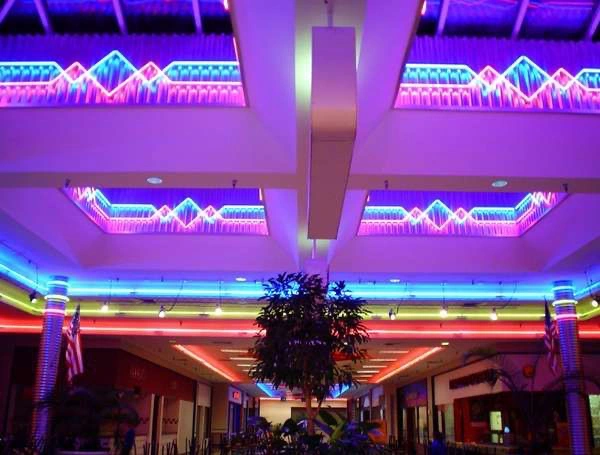
A Simulation of Connection
Looking back, the mall feels like a ghost of social interaction.
It was the last place where you could just exist without a specific digital purpose. You did not need to buy anything to feel like you were part of a hive mind.
We would spend hours wandering through stores like Hot Topic or GameStop, absorbing the aesthetics of a world that felt infinitely large and physically tangible.
Today, our social interactions are curated by algorithms and delivered through glass screens. There is a specific friction missing from the modern experience. In the mall, you had to deal with the physical presence of other humans.
You had to navigate the sensory overload of fluorescent lights and the distant, rhythmic hum of an escalator.
It was a lived-in, synthetic reality that prepared us for the internet without being the internet.
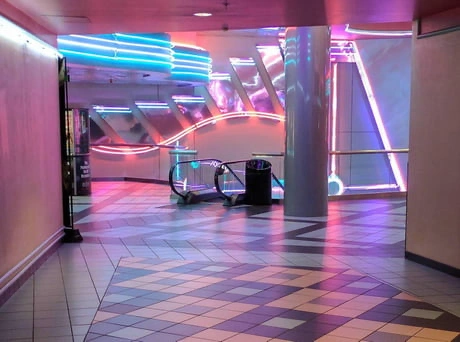
The Liminal Vibe
There is a reason why vaporwave and liminal space photography have exploded in popularity among our generation. We are obsessed with the architecture of our childhood because it feels like a corrupted save file. When I see a photo of an empty fountain or a shuttered storefront, it triggers a sensory memory that feels more real than anything on my current social media feed.
We are not just nostalgic for the stores. We are nostalgic for the following experiences: * The physical weight of a plastic shopping bag against your leg. * The blue-light hum of a kiosk selling weird, neon phone cases. * The feeling of meeting friends at a designated spot without checking a GPS every thirty seconds.
The mall was our first experience with a proto-metaverse. It was a manufactured environment designed to keep us inside, yet it fostered real, unscripted memories. Now that these spaces are becoming warehouses or apartment complexes, it feels like a part of our collective hardware is being erased.
Why It Matters Now
As we move further into a world of digital-first identities, the 2010s mall stands as a monument to the bridge between worlds. It was a physical hub that prepared us for the hyper-reality we live in now.
Maybe that is why we keep going back to those old photos and grainy YouTube videos.
We are looking for the ghost in the machine. We are trying to remember what it felt like to be physically present in a world that was already starting to fade into the cloud.
It was not perfect, but it was ours, and it smelled like cinnamon sugar and brand-new sneakers.
