Dr. Dre Drops Truth: Is AI a Threat, or Just a New Beat?
Dr. Dre Drops Truth: Is AI a Threat, or Just a New Beat?
Hip-hop legend Dr. Dre says AI isn't a threat, but a tool for creators. Is he right? Dive into why some embrace new tech while others fear the future of music production.
Dr. Dre’s Take: Evolution, Not Extinction, for Creative Minds
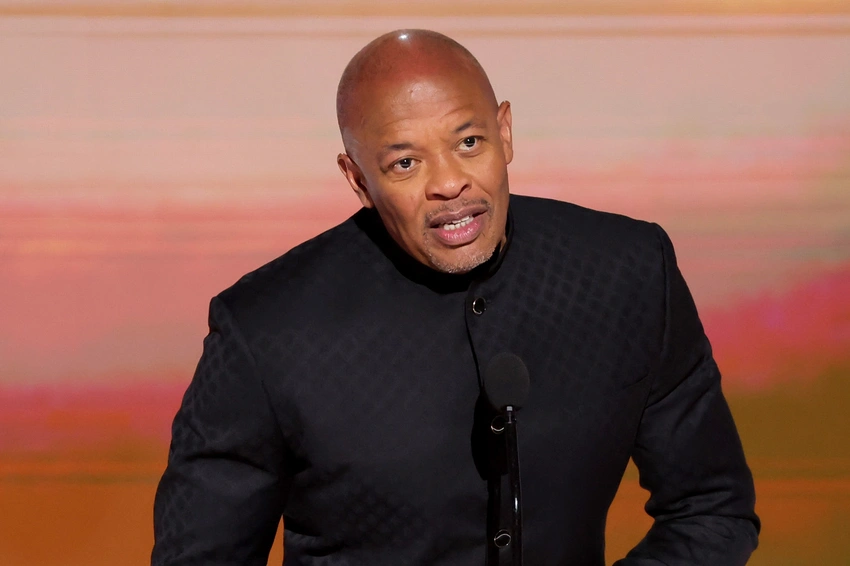
The hip-hop icon Dr. Dre has a message for those wringing their hands over AI in music: it's not a threat, it's a tool.
In a stance that's sure to spark debate, Dre, the mastermind behind Aftermath Records and co-founder of Beats, recently asserted that the only people genuinely threatened by artificial intelligence are those “who have trouble creating.” It's a bold statement, but one that echoes the sentiment of technological pioneers throughout history.
Think about it: when the drum machine first hit the scene, purists scoffed. Synthesizers were initially seen as a synthetic, soulless imitation of 'real' instruments.
Yet, these innovations didn't kill music; they redefined it, opening up entirely new genres and sounds.
Dre himself draws this parallel, asking why anyone would oppose AI when they'd likely have opposed those earlier game-changers. For him, AI is simply another synthesizer, another drum machine, a new instrument in the ever-expanding music-tech toolbox.
It's not just Dre pushing this narrative. His longtime business partner, Jimmy Iovine, highlighted the growing trend, noting, “there's a lot of closet AI producers out there.” Even Timbaland, another brilliant producer, is reportedly integrating AI into his workflow. It's about augmenting it.
It's about leveraging advanced algorithms to explore new sonic landscapes, to speed up iterative processes, and perhaps even to break through creative blocks.
Of course, the music industry isn't universally embracing AI with open arms. There are legitimate concerns about intellectual property, artist compensation, and the very definition of 'authorship.' Legal disputes are already brewing, with companies like Round Hill Music suing AI music generators like Suno. These are crucial conversations that need to happen to ensure a fair and ethical future for music creators.
But as Dre implies, fear of the new can often mask a deeper resistance to change or a lack of confidence in one’s own creative resilience. He even uses AI for surprisingly mundane tasks, like his recent query, “How do you put on muscle and lose fat at the same time?” — proving that the tech is for everyone, from billion-dollar producers to fitness enthusiasts.
Ultimately, the question isn't whether AI will change music, but how we, as creators and consumers, will adapt.
Will we see it as a destructive force, or as an unparalleled opportunity for evolution?
Dr. Dre, a man who consistently innovates and adapts, clearly leans towards the latter.
Perhaps it's time we all considered AI not as a threat to creativity, but as an invitation to redefine it.
