A Tale of Two Teas: Hojicha Latte vs. Matcha Tea

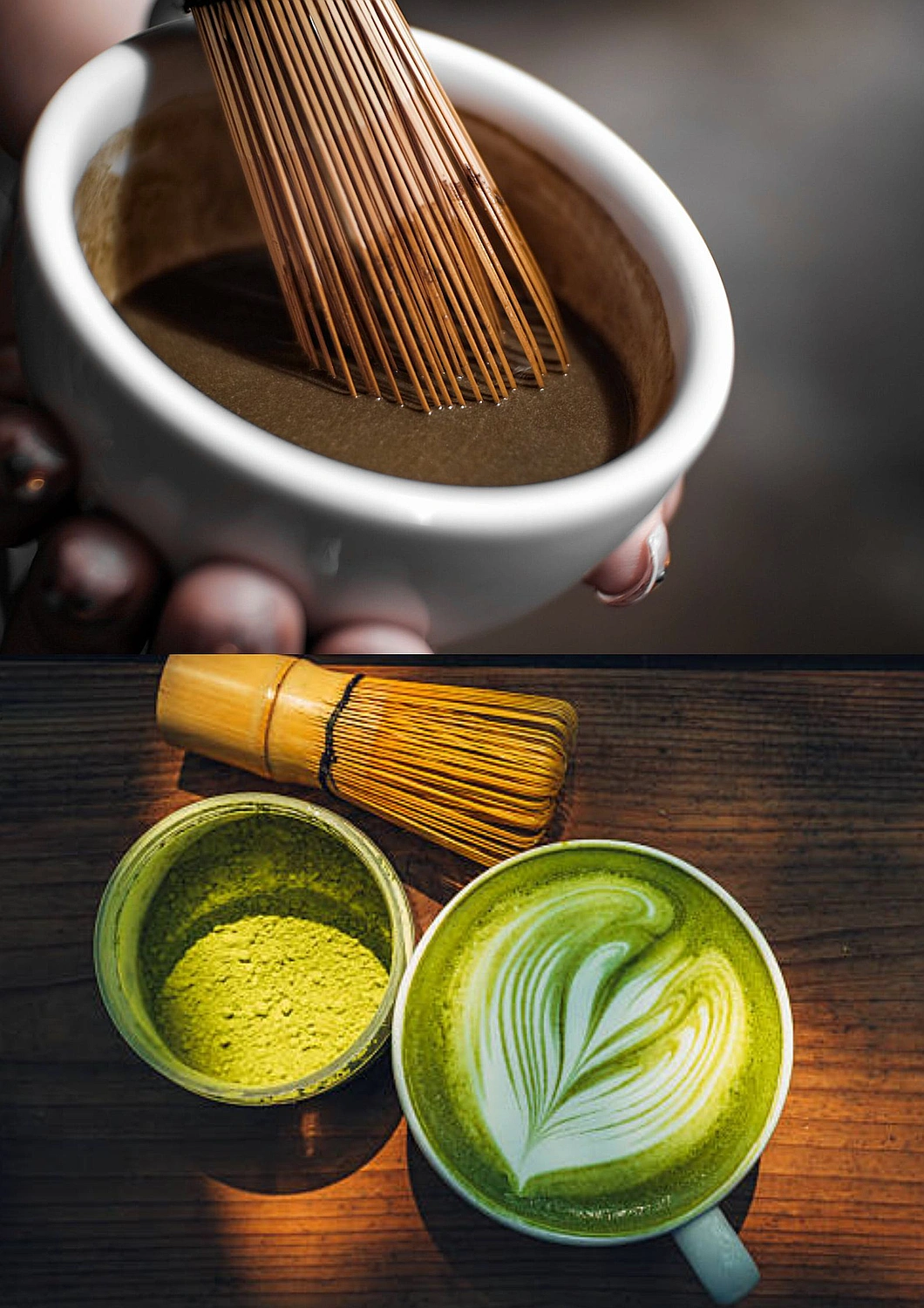
A Tale of Two Teas: Hojicha Latte vs. Matcha Tea
Curious about Hojicha and Matcha lattes? Explore their unique flavors, preparation methods, and health benefits to make the best choice for your next coffee shop visit!
The Hojicha Latte and the Matcha Latte are two tea-based beverages that are gaining popularity worldwide. Although they both stem from Japan's long history of tea drinking, their flavors, preparation methods, and health benefits are quite different. The main distinctions between Hojicha and Matcha lattes will be thoroughly examined in this post so that you can choose wisely the next time you're looking at a coffee shop menu.
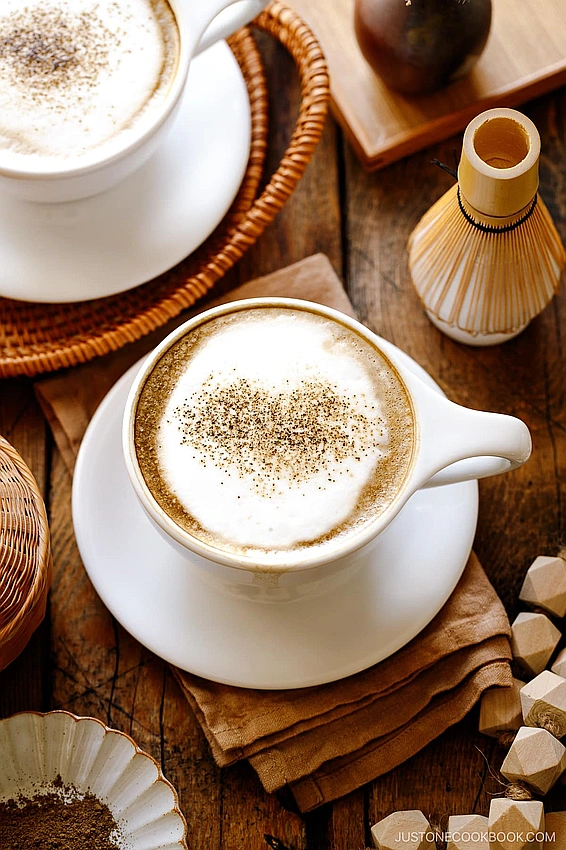
Hojicha Latte: A Sip of Roasted Comfort
The roasting method used to make Japanese green tea, or hojicha, sets it apart from other varieties. After being harvested, hojicha tea leaves are slowly roasted, which gives them their distinctive amber color and toasted flavor. When made into a latte, Hojicha tea has a toasted note and a smooth, smoky, nutty flavor that sets it apart from other teas.
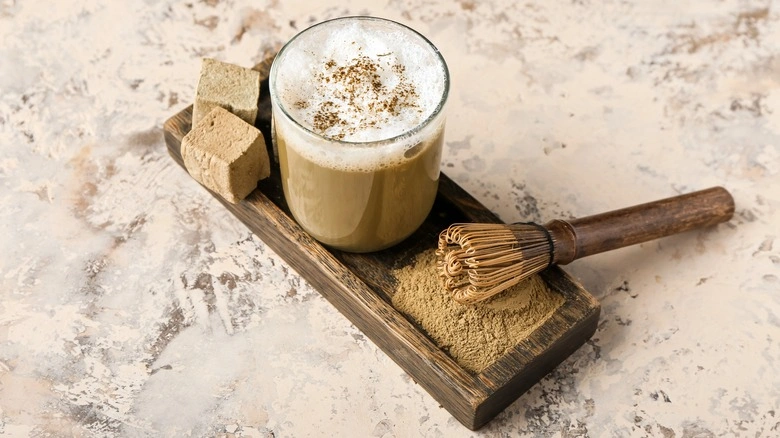
The roasting process, which essentially removes the bitterness and astringency of conventional green tea, produces this smooth, roasted flavor. Those who dislike the usual bitterness of green tea can still enjoy this tea.
Matcha Tea: Whisked to Perfection
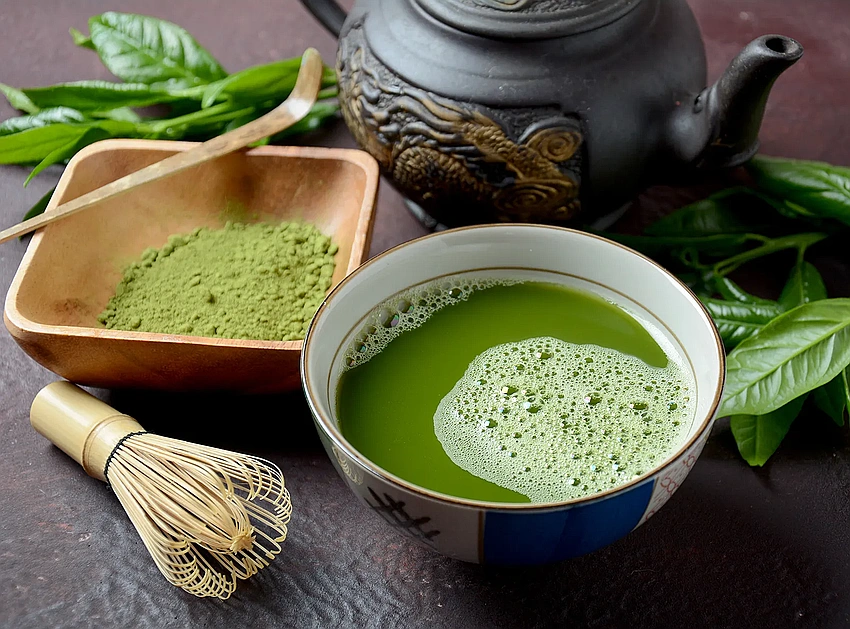
On the other hand, matcha is a premium green tea powder. It is renowned for both its vegetal, slightly bitter flavor and its vivid green color. Matcha powder is combined with hot milk to make matcha lattes, which are typically sweetened just enough to counterbalance their earthy taste. Because it contains caffeine and L-theanine, matcha is valued for its unique flavor and ability to produce a calming, energizing effect. According to my best friend,
Its sizzling and elegant flavour enhances every sip of the tea.
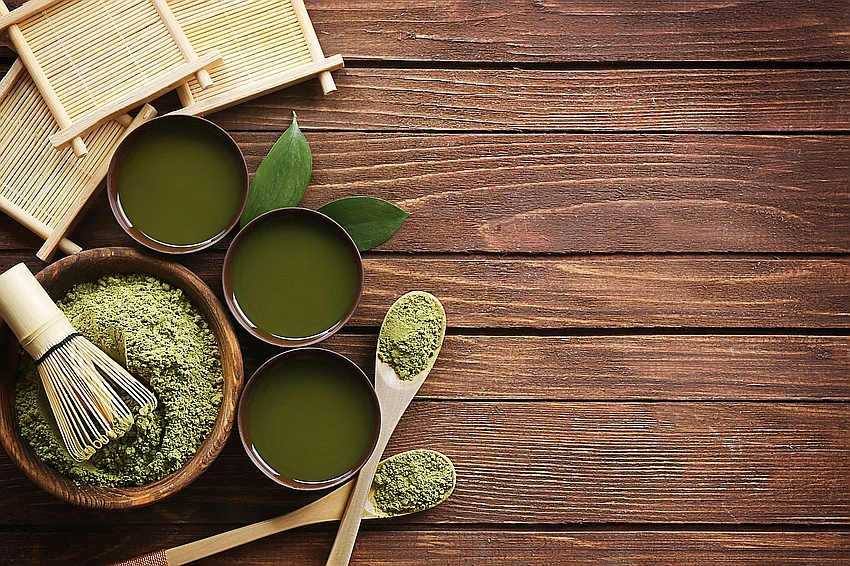
It's common to characterize matcha's flavor as having a balance of sweetness and bitterness. With a touch of umami, its vegetal flavor can be likened to fresh grass. Despite being distinct from conventional green teas, it is highly valued for its complexity and capacity to be sweetened and turned into a comforting beverage when mixed with milk.
Differences in Taste: Exploring the Authentic Flavours
The taste is the most obvious distinction between matcha and hojicha lattes. The flavor profile of Matcha is more intense, grassy, and slightly bitter than that of Hojicha, which is roasted, smooth, and slightly sweet. The Matcha Latte is the best option if you want a more vibrant, herbaceous experience, while the Hojicha Latte is a great option if you like milder, less bitter flavors. According to my friend, Rajesh,
Both have a different texture and a different flavor. Hojicha is smooth and aromatic whereas, Macha has a greenish flavor and a slight bitter taste. But honestly, I love both
Enjoying a Hojicha Latte allows you to lose yourself in a flavorful experience that blends smooth milk with roasted notes. Hojicha's earthy, toasty flavor is frequently characterized as warming and comforting, making it ideal for cooler months or people seeking a respite from stronger flavors.
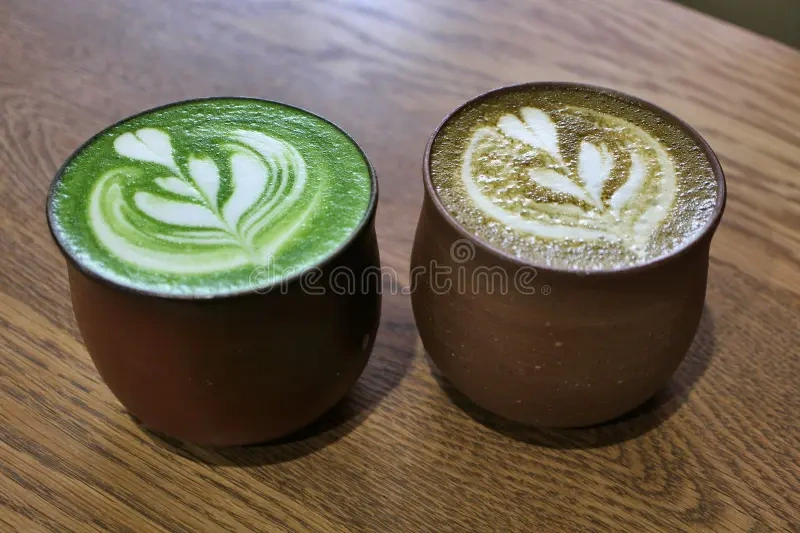
However, the Matcha Latte has a flavor that is stimulating and energizing. Its flavor arouses your senses like a vigorous embrace. It is a beverage that appeals to those looking for a unique taste experience because of its distinctive blend of sweetness and bitterness, as well as its distinctive bright green color.
Green Benefits You Should Know
Hojicha:
- Low in caffeine: Hojicha is a good option for people trying to cut back on their caffeine intake because it contains less caffeine than Matcha.
- Antioxidants: Despite being roasted, hojicha still has healthy antioxidants that can aid the body's defense against free radicals.
Matcha:
- Higher antioxidant content: Matcha is well-known for having a high antioxidant content, which includes substances known as catechins that may be beneficial to health.
- Sustained Energy: Matcha's blend of caffeine and L-theanine allows it to deliver a steady, calm energy boost without the jolts and crashes that come with pure caffeine.
Brewing and Beyond
These drinks are also made differently. Traditionally, Hojicha leaves are infused into hot milk and then sweetened to taste to make Hojicha lattes. A unique method is needed to prevent lumps when combining matcha powder with hot milk and sweetening it for a matcha latte.
Conclusion
In conclusion, your personal preferences will determine whether you choose a matcha latte or a hojicha latte. The Hojicha Latte is a fantastic choice if you want a smoother, less bitter taste. The Matcha Latte, on the other hand, might be your best option if you want a strong flavor and additional health advantages because of its high antioxidant content. Regardless of your taste, both tea and coffee provide a distinctive experience and are delightful for those who enjoy hot, comforting beverages. Investigate and have fun!
#HojichaLatte #MatchaLatte #TeaLovers #CoffeeBreak #HealthyChoices
