India-US trade deal: dairy protections stay, tariffs cut on many foods

India-US trade deal: dairy protections stay, tariffs cut on many foods
India preserves dairy protections and GM crop safeguards while agreeing to lower tariffs on a broad range of U.S. agricultural goods, signaling a cautious interim pact.
India and the United States have laid out an interim framework aimed at calming trade frictions in agriculture, preserving India’s grounds on dairy and GM crops while opening doors for a swath of American farm goods. The deal would reduce or remove tariffs on a wide range of U.S. agricultural products, including tree nuts, fresh and processed fruits, soyabean oil, and even wine and spirits, while keeping sensitive sectors shielded from concessions. It marks a careful balance intended to boost bilateral trade without compromising Indian farmers who rely on protections for dairy and certain GM crops.
Under the framework, several U.S. foods and agricultural items are set for tariff reductions or eliminations, as part of the effort to resolve long-standing non-tariff barriers that have often slowed market access. The agreement also flags potential mechanisms to address remaining barriers, though specifics were not fully explained in the joint statement. This approach gives India room to safeguard domestic interests, particularly in dairy, maize, and soyabean markets, while signaling possible expanded access in other areas as negotiations continue.
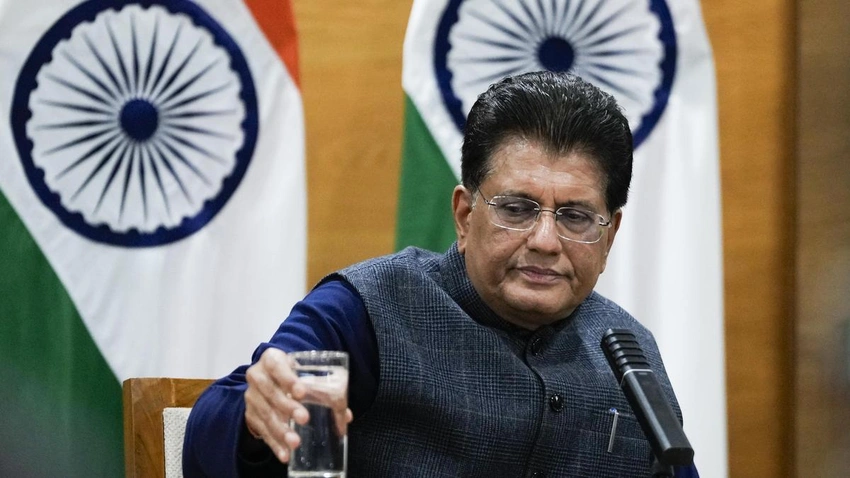
Commerce Minister Piyush Goyal emphasized India’s stance, saying, "No GM items will be imported to India. No relief or concession has been given on dairy, maize, soya meal, sugar, millets, and citrus fruits." The minister’s remarks underscore the government’s intent to preserve critical safeguards even as the interim pact paves the way for greater trade in other sectors. The framework also suggests India could later approve greater access for high-performing exports such as shrimps, fish, spices, rice, tea, coffee, and rubber, as part of ongoing discussions.
Analysts note the deal could unlock a sizeable opportunity for Indian exporters and MSMEs by broadening the U.S. market for many food and agricultural products, while maintaining a protective stance on sensitive domestic staples. Hindustan Times noted the interim agreement could open up a USD 30 trillion market for Indian exporters, particularly benefiting farmers and fishermen, as both sides seek a broader bilateral pact in the future.
Overall, the agreement is seen as a proactive step to de-escalate tensions and establish a framework for deeper economic cooperation, with the understanding that India will continue to negotiate access for its key products and reserves its right to safeguard critical agricultural interests while the path to a fuller trade deal is charted. The focus remains on balancing imports with protections that support Indian farmers and food security as negotiations progress.
