Gig Workers Strike on Dec 31, Threatening New Year Eve Disruptions

Gig Workers Strike on Dec 31, Threatening New Year Eve Disruptions
Gig and platform workers in India plan a nationwide strike on December 31, aiming higher pay, safety, and recognition, potentially impacting New Year celebrations.
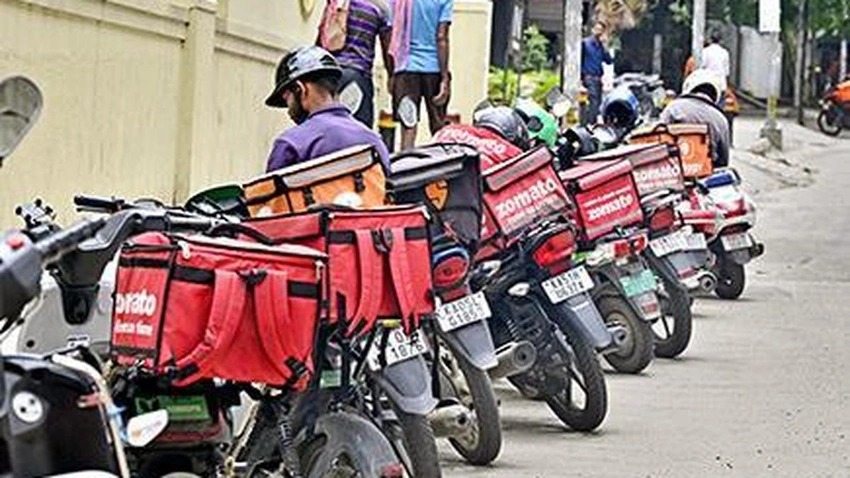
Gig and platform worker unions have announced a nationwide strike on December 31, 2025, signaling a coordinated push for recognition and better working conditions in India’s growing gig economy. The call comes as delivery riders and ride-hailing partners say they are routinely excluded from core labour entitlements and face unsafe work conditions, harassment, and unreliable income. In a letter to Labour Minister Mansukh Mandaviya, the unions urged urgent government intervention to address what they describe as systemic exploitation by platforms in food delivery and taxi services. They highlighted previous actions, including a December 25 strike, and laid out a charter of demands focused on safety, fair pay, and legal recognition.
Key elements include fixing minimum per-kilometre rates at ₹20 for workers with platforms such as Zomato, Swiggy, Blinkit, Zepto, Flipkart, and BigBasket; ensuring workplace safety for women; emergency leave and maternity protection; ending arbitrary ID blocking and punitive rating systems; guaranteeing a minimum monthly earnings target of ₹40,000; and stopping 10-20 minute delivery mandates that compromise safety. The unions also ask for 24/7 human customer support to replace AI-based calls, full compensation for customer-initiated cancellations, and capping all deductions at 20%. They further seek legal recognition of platform workers as “workers” under labour laws, ending misclassification as “partners.”
The planned action is set to impact major urban centers, with Delhi-NCR highlighted as a likely hotspot where residents may face delays and cancellations on New Year’s Eve, a peak night for food delivery and transport apps. Workers shared personal experiences illustrating the risk and financial strain they endure, from medical expenses after accidents to low earnings despite long hours on the job. A delivery partner from Chandni Chowk described a life-altering accident and high medical bills that were left without company support, while another from Jafrabad spoke of meager earnings despite extensive work hours.
Observers note that the strike follows earlier protests by the Indian Federation of App-Based Transport Workers and allied unions, who argue that 24/7 demand-driven work, algorithmic control, and lack of social protections place gig workers at ongoing risk. The strike organizers say the government’s engagement is essential to prevent a widening gap between worker rights and industry practices, and to set a clear framework for fair treatment in India’s evolving digital economy.
