Trump taps Kevin Warsh for Fed chair, signaling policy shift

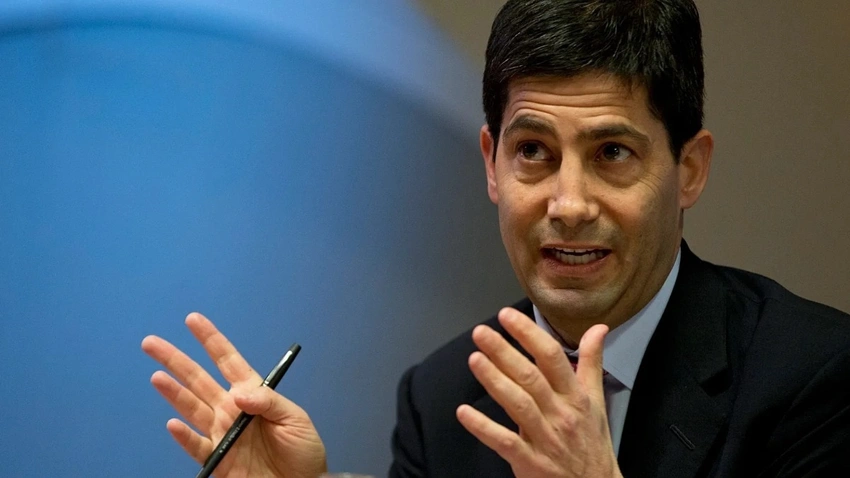
Trump taps Kevin Warsh for Fed chair, signaling policy shift
Trump nominates former Fed governor Kevin Warsh for chair, sparking debate on independence and potential shifts in US monetary policy as markets brace for change.
In Washington, President Donald Trump has nominated Kevin Warsh, a former Federal Reserve governor, to lead the central bank and succeed Jerome Powell when his term ends in May. Warsh, 55, is widely connected in both Wall Street and Washington policymaking circles and has long been a figure on the radar for the top job. He previously interviewed for the role in 2017, a sign that his name has lingered in discussions about the Fed’s future leadership.
Markets and commentators immediately began parsing what a Warsh chair might mean for policy and independence. The nomination arrives amid ongoing debate about how quickly the Fed should move on rates and how openly it communicates its policy stance. Traders will be watching for signals about how Warsh might shape the Fed’s balance-sheet strategy, inflation outlook, and the tempo of rate adjustments, all of which can influence everything from the dollar to equities.
Supporters argue Warsh could bring a rigorous, market-aware approach and a willingness to take tough decisions in an uncertain economy. Critics worry that a more politically aligned chair could raise concerns about the Fed’s independence and bias monetary policy toward shorter-term political goals. The question of independence is already a live issue for investors who weigh how central-bank decisions might affect inflation and growth in the months ahead.
The nomination also lands at a time when the path of monetary policy remains a central concern for markets. Powell’s term ends in May, and the confirmation process will itself shape expectations for the trajectory of rate moves. Analysts note that investors have been pricing in a range of scenarios, with policy direction potentially shifting based on Warsh’s approach and upcoming economic data. Until the Senate acts, much of the policy debate will center on Warsh’s past writings and public statements for clues about his stance on inflation, balance-sheet policy, and the Fed’s long-run independence.
Ultimately, the nation’s capital is watching closely as this potential leadership change could set the tone for how the Fed navigates a volatile global economy. The coming weeks will reveal how the administration and lawmakers frame Warsh’s candidacy and what this means for the trajectory of US monetary policy and market stability.
