Gen Z's New Language: Why Mantras Are Their Emotional Wellness Tool

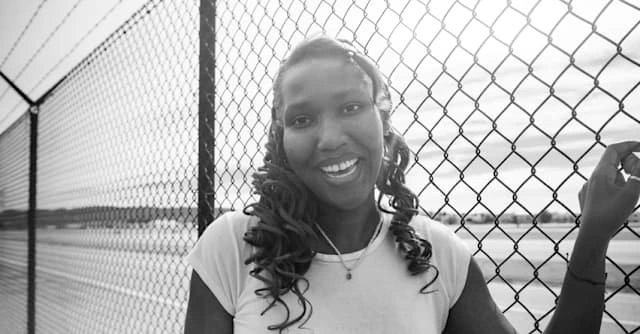
Gen Z's New Language: Why Mantras Are Their Emotional Wellness Tool
Discover how Gen Z artists like Jordan Patterson are leading the charge in emotional wellness, using personal mantras and authentic self-expression to navigate life's complexities and inspire a generation.
There's a significant shift happening in how younger generations approach mental and emotional well-being. Gone are the days of bottling things up; today's Gen Z is all about feeling - and they're using tools like mantras and affirmations to navigate a complex world. We're seeing a powerful movement where emotional authenticity isn't just encouraged, it's a cornerstone of identity, and artists like Jordan Patterson are at the forefront.
Take Patterson, the L.A.-raised singer-songwriter. She calls herself a “valley girl,” but her slow, deliberate Southern drawl, inherited from her North Carolina roots, tells a deeper story. It's a subtle example of how Gen Z often blends influences and creates something uniquely their own.
Patterson's journey, from her earliest years in North Carolina to her brother's childhood acting career bringing her family to Los Angeles, instilled in her a unique perspective - a blend of Hollywood's 'hustler optimism' and a more reflective, purposeful way of speaking.
This deliberate approach is key to understanding the Gen Z embrace of emotional wellness. Patterson uses her voice not just to sing, but as a “multipurpose instrument” to express “profound truths.” Her debut album, The Hermit, named one of The FADER’s favorite albums of 2025, dives deep into “the most basic, vulnerable elements of our emotions and formative experiences.” Think about her song ‘Jim,’ a ‘subtly devastating recount of a childhood imaginary friend’—it’s a perfect illustration of how this generation values emotional honesty, turning internal struggles into relatable art.
Patterson's experience in high school at the famous Los Angeles County High School for the Arts (LACHSA), where luminaries like Phoebe Bridgers and the HAIM sisters honed their craft, further illustrates this point. Her theater teachers constantly told her she “needed to project.” This, she says, became a “trigger.” Patterson explains, “I didn't always want to be loud. I'm tall and typically the only black woman in the room.
I was always taking up more space than I ever wanted.”
This sentiment resonates deeply with Gen Z. It's not about conforming to external expectations of how you should present yourself; it's about finding your authentic voice. For Patterson, her music became the space where she could sound exactly as she wanted, where her voice could be “soft and churlish” or “yawning like a great cry into the sky”: whatever truly expressed her internal world.
This is the essence of emotional wellness for this generation: creating personal space for self-expression, free from imposed molds.
Gen Z is actively adopting this philosophy.
They're using daily affirmations, journaling, and embracing their inner voices, their own personal “valley girl mantras”, to build resilience and self-awareness. They're realizing that expressing vulnerability, as Patterson does in her music, is a strength, not a weakness.
It's about acknowledging and processing emotions, rather than suppressing them. This trend, exemplified by artists like Patterson who began releasing music and playing live shows around 2018, just as she graduated high school, shows that emotional fluency is becoming a vital skill, and a powerful form of self-care, for the generation coming into its own. It's about tapping into the power of feeling, unapologetically.
