US, Israel, Lebanon Ink Border Deal: Hope, Caution, & Hezbollah's Rejection

US, Israel, Lebanon Ink Border Deal: Hope, Caution, & Hezbollah's Rejection
A landmark trilateral accord between the US, Israel, and Lebanon aims to de-escalate border tensions. Israel is set to withdraw from southern Lebanese areas, but challenges and Hezbollah's firm rejection loom large. Disc
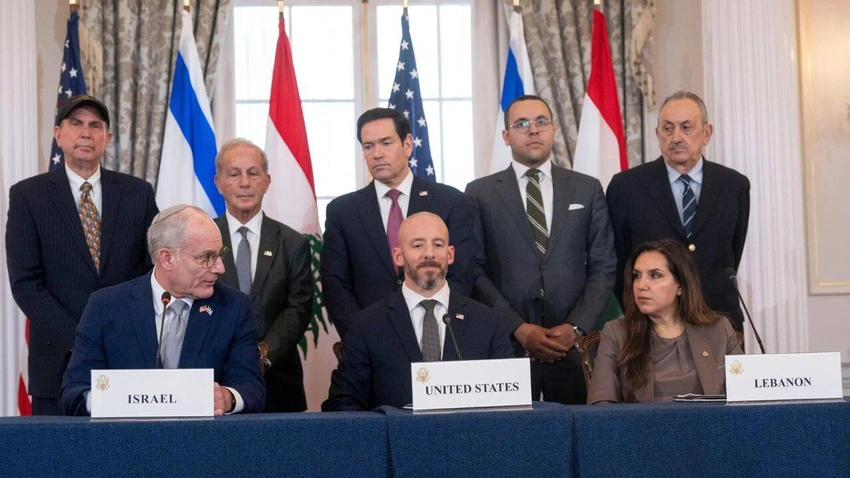
The United States, Israel, and Lebanon have recently signed a trilateral framework deal, a significant diplomatic effort aimed at de-escalating long-standing border tensions. This accord is being hailed by some officials as a crucial step towards fostering peace and stability in a volatile region.
Under the terms of this newly minted agreement, Israel has committed to withdrawing its forces from two specific southern Lebanese areas. Following this withdrawal, the Lebanese Armed Forces (LAF) are slated to take charge of these territories, implementing a new “pilot security plan.” This arrangement seeks to establish a more stable and secure environment along the contentious border, preventing future flare-ups.
While many involved parties have lauded the deal as a breakthrough, acknowledging its potential to pave the way for a more peaceful future, the path ahead is fraught with challenges and complex dynamics that cannot be overlooked.
A key point of contention and complexity arises from a statement by Israeli Prime Minister Benjamin Netanyahu. He asserted that Israel intends to maintain its presence in South Lebanon “until Hezbollah disarms.” This declaration introduces a significant conditionality, hinting that while the framework deal might facilitate specific territorial withdrawals, Israel's broader strategic presence and security concerns are inextricably linked to the disarmament of the powerful Lebanese militant group, Hezbollah. This stance adds a layer of uncertainty to the long-term implications of the current agreement.
Further complicating the picture is Hezbollah’s outright rejection of the trilateral accord. The group has publicly criticized the agreement, labeling it as a series of “unilateral concessions” made by Lebanon. Hezbollah’s opposition underscores the deep-seated political and ideological divisions within Lebanon itself and the broader region, indicating that securing lasting peace will require navigating substantial internal and external resistances.
#MiddleEastPolitics #IsraelLebanon #USDiplomacy #TrilateralAccord
