Ben Roberts-Smith Goes From Plaintiff to Defendant in War Crimes Case

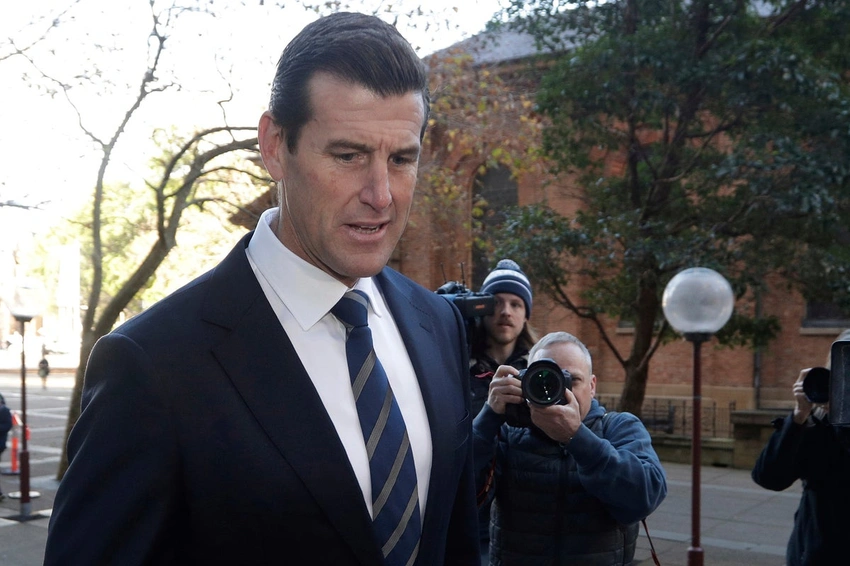
Ben Roberts-Smith Goes From Plaintiff to Defendant in War Crimes Case
Australia’s most decorated soldier shifts from defamation plaintiff to criminal defendant, facing five counts of war crimes with potential life in prison.
Ben Roberts-Smith’s legal arc has shifted dramatically. Once the poster boy of Australia’s wartime ethos, he now faces a criminal courtroom as a defendant in a case that could carry life in prison if verdicts go against him. After years as the plaintiff in a high-profile defamation fight, the decorated veteran is stepping into a different spotlight, with stakes higher than ever.
He is charged with five counts of war crime – murder related to alleged killings of unarmed Afghan civilians during his service there. Each count carries the potential for life imprisonment, a stark measure underscoring the gravity of the accusations amid ongoing public debate about accountability in conflict.
Roberts-Smith’s public image was built on his Victoria Cross and a portrayal as a modern ANZAC figure; now those laurels have been entangled in a legal battle that he has repeatedly denied, insisting his actions were lawful and courageous. In the defamation case that preceded the criminal charges, hours of evidence about alleged crimes were already on the public record, shaping public perception even before today’s hearing.
Legal observers note the shift from civil defamation to criminal proceedings changes the evidentiary landscape, but the core principle remains: the defendant is presumed innocent until proven guilty. Roberts-Smith will have representation and a chance to contest the charges as the court schedules hearings and potential trial dates.
Beyond the courtroom, the case touches on broader questions about accountability for soldiers in wartime and how Australia grapples with difficult truths about its military history. Supporters and critics alike will watch how the process unfolds, with the public record already offering a stark glimpse into the complexities of war, justice, and memory.
As the hearings unfold in Sydney, the case will continue to reverberate through political, military, and veteran communities, reminding Australians that even celebrated heroes are subject to the law when questions of war crimes arise.
