Indian Government and the Film Propaganda

Indian Government and the Film Propaganda
Indian Government and the Film Propaganda
An analysis of how a wave of Indian films turns history into a political testament, from The Kashmir Files to The Taj Story, pairing trauma with a fixed moral stance and stirring fierce debate.
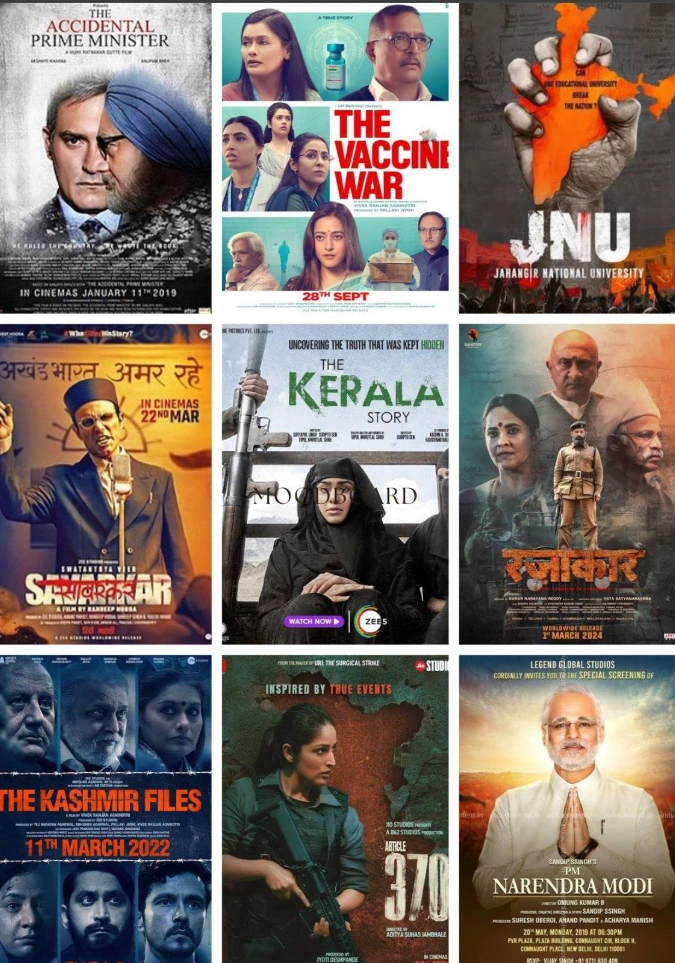
Indian cinema has always been a site where the past is renegotiated, sometimes lovingly and sometimes violently. But the last decade has seen the emergence of a particular cinematic mood in films positioned less as cultural texts and more as national testaments. Titles such as The Kashmir Files, The Kerala Story, Article 370, The Bengal Files, and The Taj Story arrive with a pre-declared moral stance, a prefabricated emotional tone, and an unmistakable political aftertaste. Their goal is not simply to tell a story but to tell the story, a definitive version of history designed to resonate with the ideological ambitions of the present government.

The Kashmir Files: trauma engineered into unanimity
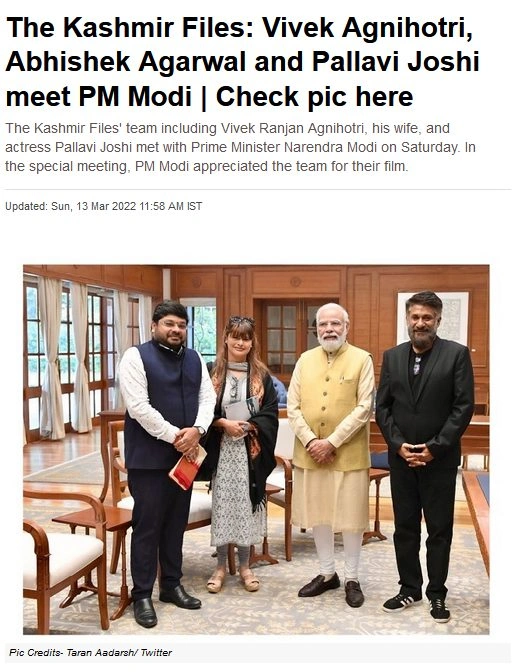
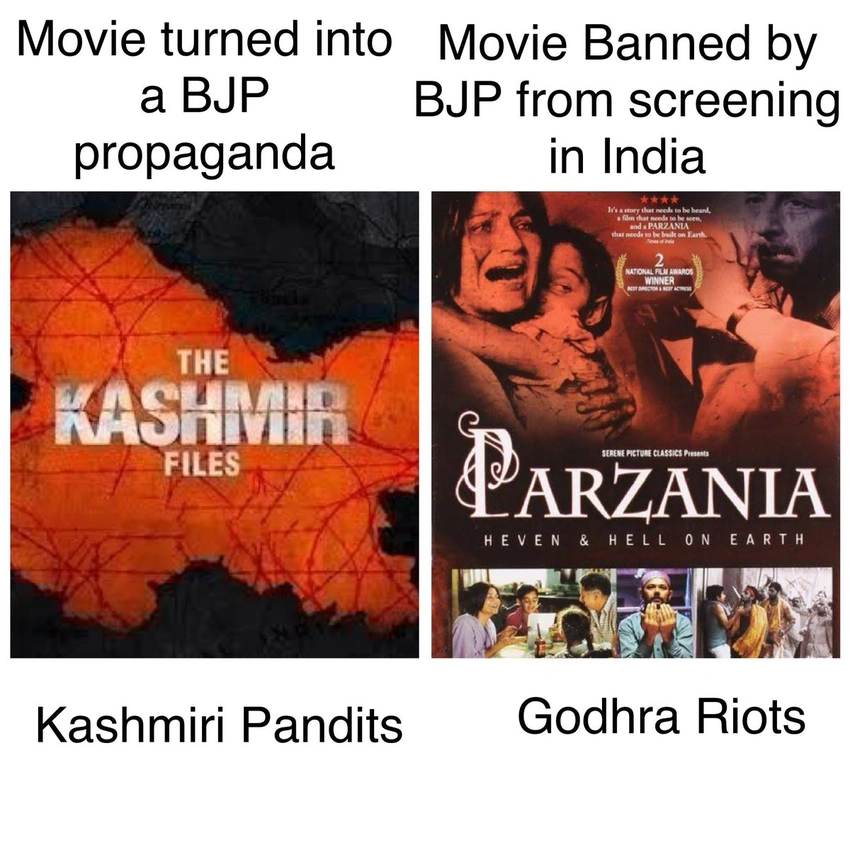
Released in 2022, The Kashmir Files established the template: a film that wields the real suffering of Kashmiri Pandits as emotional authority but arranges it into a narrative architecture that critics called reductive and inflammatory. Instead of locating the tragedy within a complex web of political failures, insurgency, state violence, and migration, the film constructs a binary of innocence and villainy. Reviewers across major publications noted the selective portrayal of events and the collapse of nuance, turning mourning into moral weaponry.
The state’s own embrace of the film of tax exemptions, promotional tweets by political leaders, and publicly organised screenings signalled the wider purpose: when official channels amplify cinema as civic truth, the line between art and state narrative dissolves.
The Kerala Story: speculation scaled into national anxiety
If The Kashmir Files dramatised an unhealed wound, The Kerala Story dramatised a fear. Critics and courts alike questioned its soaring numerical claims, unverified conversions, and sensationalist framing of “love jihad”, a conspiracy theory repeatedly dismissed by government and police investigations. Legal proceedings and fact-checking reports argued that the film’s central thesis lacked evidentiary grounding.
Yet its success reveals something important: even when factual accuracy is publicly contested, the emotional grammar of fear can overpower the intellectual requirement for proof. Films like these function not as history but as cautionary folklore, positioning certain communities as perennial threats to the nation.

Article 370: legislation as a cinematic morality play
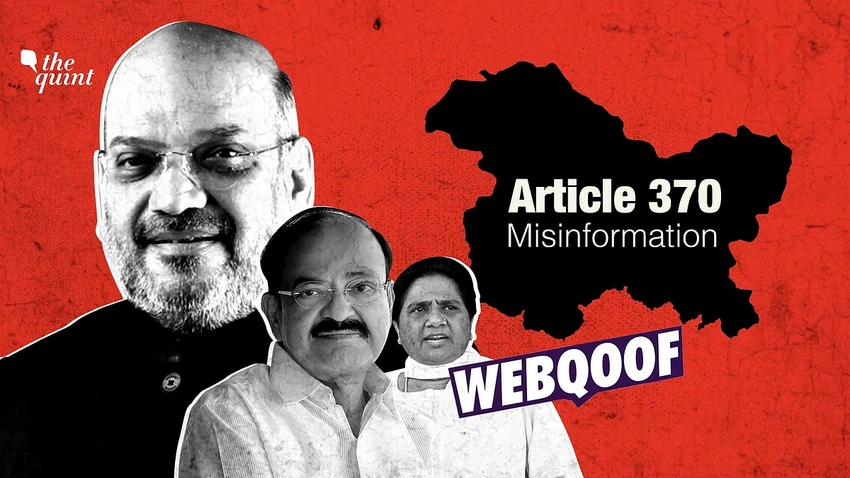
Article 370 takes a constitutional act of the abrogation of Jammu and Kashmir’s special status, and renders it as a triumphant thriller. Instead of analysing the constitutional debates, political stakes, or human rights critiques that followed the 2019 decision, the film positions the state’s actions as necessary, heroic, and inevitable. Political commentary noted how its release conveniently aligned with electoral cycles and how its narrative echoes official speeches rather than scholarly discussions.
The film’s spectacle of efficiency, of covert operations, decisive leadership, and a neatly resolved crisis becomes an aesthetic endorsement of strongman governance. It asks viewers not to understand history but to applaud it.
The Bengal Files: grievance curated into identity
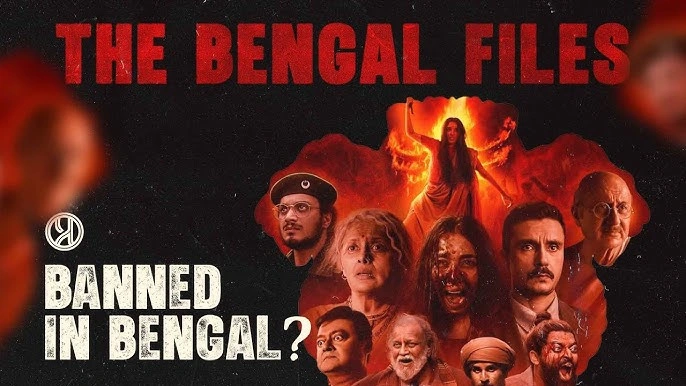
The Bengal Files, another entry in this genealogy, centres on political violence in West Bengal. Reviews highlighted the film’s one-sided portrayal of party brutality, framing it as evidence of the moral decimation of an entire region. Critics observed the selective montage of real incidents alongside dramatised sequences, creating an impression of continuous persecution.
What makes this form of storytelling potent is its emotional sequencing: fear, anger, and resolution. The viewer emerges with not just an opinion about West Bengal but an identity position, one that aligns with national political narratives of “liberation” from local tyranny.
The Taj Story: rewriting medieval India into moral allegory
Films like The Taj Story continue a parallel project: reframing medieval Indian history in civilisational, sometimes civilisationally polarised, terms. These productions often lean heavily on the idea that India’s past is a long contest between purity and corruption, victimhood and invader, and civilisation and desecration. Historians repeatedly caution that such narratives simplify centuries of cultural synthesis, political alliances, and regional nuance.

The machinery behind the message
The power of these films does not arise from their scripts alone. It comes from the ecosystem surrounding them:
- Institutional approval: lenient certification, tax breaks, felicitations, and endorsements that present cinema as a patriotic duty.
- Media choreography: interviews, editorials, and primetime debates that treat fiction as newly uncovered truth.
- Political theatre: screenings organised for party workers, MLAs, or students, converting cinema into civic education.
- Digital amplification: coordinated social media campaigns where dissenters are labelled anti-national or propagandists of the “other side.”
 The cost of cinematic certainty
Propaganda thrives on certainty; history does not.
The danger of these films lies not only in inaccuracies but in the emotional architecture they create: a world where moral binaries rule, minorities become caricatures, and the past becomes a battlefield for present-day political legitimacy.
When audiences repeatedly consume stylised versions of history, they risk confusing affect with analysis and spectacle with scholarship. The consequences extend far beyond cinema halls — shaping public discourse, influencing electoral sentiment, and eroding the possibility of plural memory.
Indian cinema is capable of remarkable nuance; countless independent films and documentaries prove this. A healthy cinematic culture would support works that refuse easy answers, foreground archival complexity, and approach trauma with ethical care.
The responsibility, however, is not just the filmmaker’s. Scholars, critics, educators, and viewers must cultivate a media literacy that resists emotional manipulation. In the end, propaganda is not powerful because it lies, but because it simplifies. It offers a past that feels tidy, righteous, and legible, which is the opposite of the messy, entangled history India actually possesses.
#IndianCinema #KashmirFiles #FilmCriticism #NationalNarratives #CinematicPolitics #FilmReview #BJPPropaganda
