When Algorithms Rule: Are Tech Giants the New East India Company?

When Algorithms Rule: Are Tech Giants the New East India Company?
Explore the surprising parallels between early modern chartered monopolies and today's megatech. Are digital platforms challenging nation-states by dictating speech, currency, and labor?
For centuries, the nation-state has been the undisputed arbiter of power, sovereignty, and law. But what happens when private corporations begin to wield similar authority, not over distant colonies, but within the very fabric of global society?
It’s a question historical scholars and economists are increasingly asking as they draw striking parallels between today’s megatech ecosystems and the early modern East India Company.
The Shadow of Chartered Monopolies
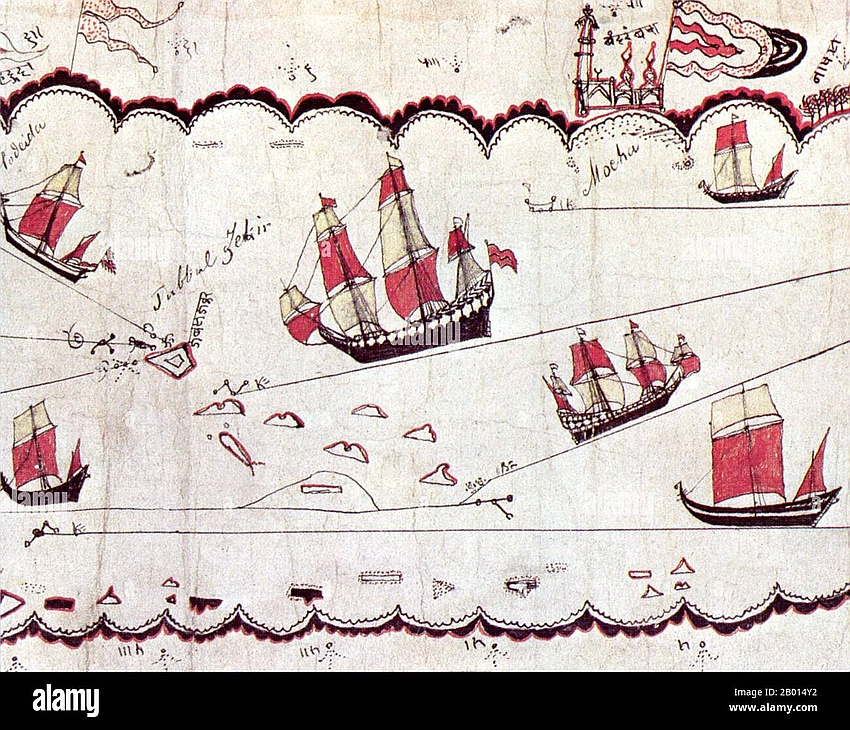
To understand the gravity of this comparison, consider the British East India Company (EIC). Chartered in 1600, it began as a trading venture but rapidly evolved into a quasi-sovereign entity. It commanded its own army and navy, minted currency, collected taxes, administered justice, and even engaged in diplomacy.
The EIC governed vast swathes of India, dictating terms of commerce, law, and even war, effectively acting as a state within a state. Its power was so immense that it eventually subsumed the sovereignty of the territories it operated in, challenging the very idea of national control. This private corporate entity exerted political, economic, and military power on a scale previously reserved for empires.
 Digital Empires: New Forms of Sovereignty
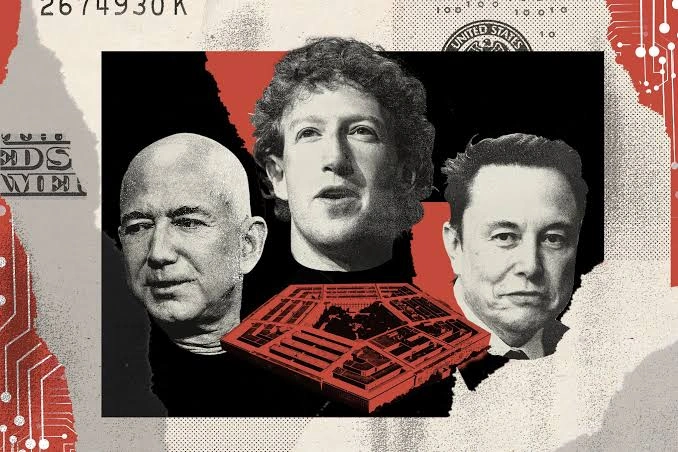
Fast forward to the 21st century. Today's tech giants, companies like Google, Meta, Amazon, and Apple, operate on a scale that dwarfs many national economies. While they don't deploy private armies, their influence is no less profound.
Take content moderation, for example: tech platforms decide what constitutes 'acceptable speech' for billions, effectively acting as global censors or free speech arbiters. Their terms of service function as a private legal code governing digital interactions. When platforms deplatform users or remove content, they are enacting judgments that affect public discourse and individual livelihoods.
Furthermore, the rise of cryptocurrencies and platform-specific digital payment systems hints at a new form of currency issuance, challenging national monetary authority. The gig economy, largely facilitated by these platforms, dictates labor terms, wages, and working conditions for millions, sidestepping national labor laws and worker protections.
Data, the new oil, is collected and controlled by these entities, giving them unparalleled intelligence and predictive power, a form of digital surveillance and control that rivals state intelligence agencies. These companies, through their control over essential digital infrastructure, exert a ‘corporate sovereignty’ that profoundly shapes society.
The Challenge to the Nation-State
The implications for national sovereignty are immense. How do nation-states regulate entities that transcend borders and operate under their own private laws? The ability of tech platforms to influence elections, shape public opinion, and bypass national taxation systems represents a significant erosion of state authority.
When a company can deplatform a national leader, or when its digital currency competes with a nation's fiat, the traditional balance of power is undeniably shifted.
As one analyst aptly put it,
We are witnessing the emergence of digital polities, often more powerful and globally pervasive than many nation-states.”
This historical parallel is an urgent call to understand the evolving nature of power. Just as the EIC eventually necessitated state intervention and control, the unchecked power of today’s tech giants raises fundamental questions about governance, accountability, and the future of democratic institutions.
Are we entering an era where national borders mean less than platform terms of service? The lessons from the East India Company suggest that the unchecked power of private entities can lead to profound and lasting transformations of societal structures.