India's Bold Caste Census: A New Era for Social Justice & Policy?

India's Bold Caste Census: A New Era for Social Justice & Policy?
India is gearing up for a transformative Caste Census, a critical move for evidence-based policymaking and inclusion. Discover how this historic enumeration aims to bridge disparities and foster a more equitable nation.
The Narendra Modi government’s decision to include caste enumeration in the next Census marks a bold, transformative, and commendable step. This move is not a capitulation to identity politics, but rather a crucial effort to mirror the lived realities of millions across India. It signifies a vital stride towards evidence-based policymaking, aiming to build a more just and inclusive nation. As proponents argue, a nation that refuses to see itself cannot hope to heal itself.
Historically, post-Independence India attempted to abolish caste while simultaneously pursuing social justice, a paradoxical approach some describe as "policy schizophrenia." The refusal to count caste in the Census was a direct consequence of this policy of "caste blindness." However, the Indian Constitution explicitly mandates the pursuit of social justice through reservations in education, public employment, and electoral constituencies. These measures fundamentally require precise, disaggregated caste data. Even Dr. B.R. Ambedkar, in 1955, criticized the omission of caste tables from the 1951 Census, labeling it an act of "petty intelligence."
Visibility through data is recognized as the first essential step towards meaningful inclusion. Collecting caste data across all major social groups is not merely for administering reservations; it is indispensable for equity-driven planning, targeted policymaking, and effectively tracking disparities over time. The absence of such data has rendered many of India’s marginalized communities statistically invisible. This oversight has, arguably, allowed a narrow elite of upper castes and dominant Other Backward Classes (OBCs) to solidify their grip over wealth, opportunity, and power, often behind the smokescreen of caste anonymity.
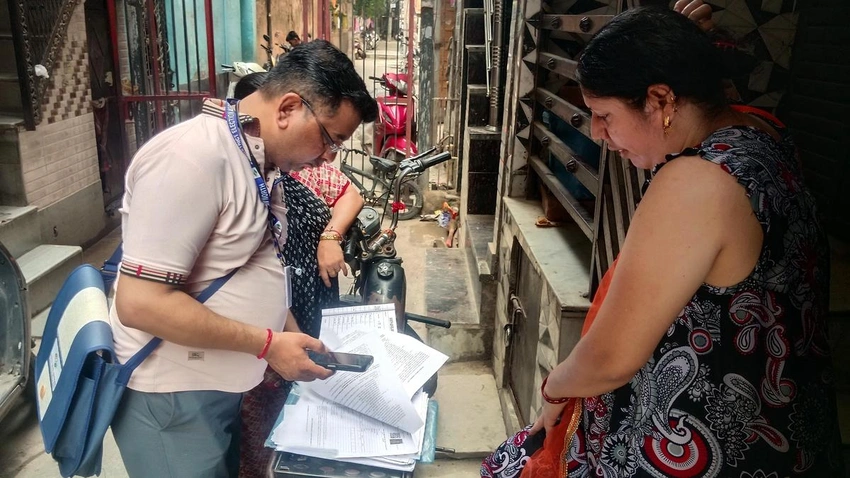
As India prepares for this ambitious undertaking, the methodology remains a key focus. The rehearsal phase for the second part of the Census currently employs an ‘open column’ approach to record caste. This method, however, presents significant challenges, as evidenced by the 2011 caste survey, which resulted in over 46 lakh different ‘caste names.’ The feedback received during the ongoing test exercise will be critical in finalizing the methodology for Census 2027, ensuring accuracy and utility.
While this initiative is lauded by many as a necessary step towards addressing deep-rooted inequalities, it also sparks debates. Concerns are raised about whether a caste census could deepen social divides rather than foster national unity. Yet, advocates emphasize its role in democratic accountability and moving beyond traditional top-down welfare models, by truly understanding who needs what support.
Ultimately, ensuring the Caste Census is conducted accurately and effectively is paramount for India. It is seen as an opportunity to truly understand its social fabric, address historical injustices, and pave the way for a more equitable and inclusive future for all its citizens.
