Stop Putting TikTok in Books from 2006: The Cringe Era of Book Updating

Stop Putting TikTok in Books from 2006: The Cringe Era of Book Updating
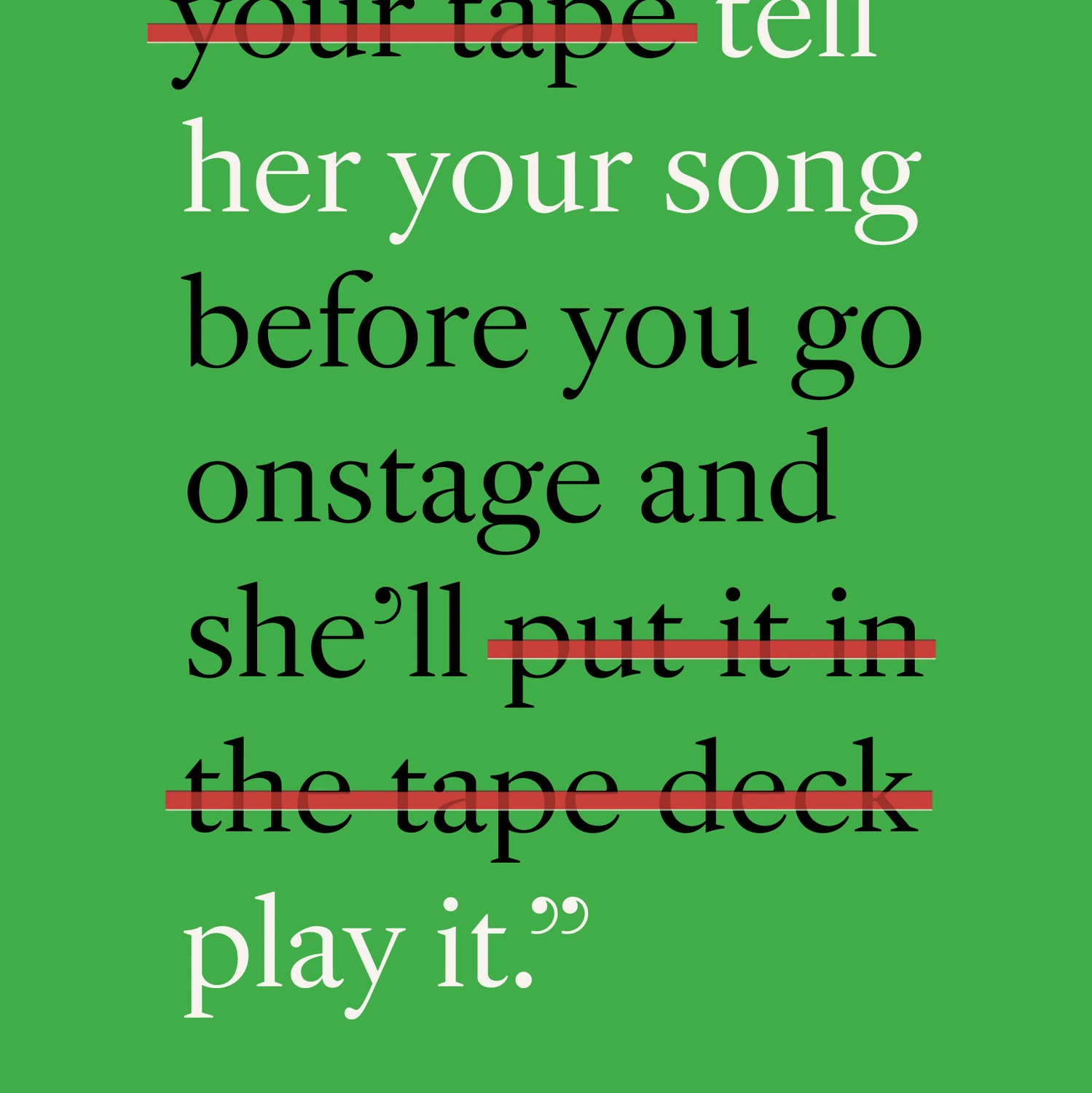
Publishers are swapping old tech for TikTok in classic YA novels. Is this a smart way to stay relevant or the ultimate 'how do you do, fellow kids' fail? Let’s dive into the trend.
The Time Capsule Problem
Imagine settling in with a beloved young adult novel originally published in 2006. You are ready for a heavy dose of nostalgia, expecting references to flip phones, MySpace top eights, and the clunky charm of the early internet. Suddenly, a character pulls out their iPhone to film a TikTok dance. Your brain hits a brick wall. This is not a glitch in the matrix. It is a calculated move by publishers to keep backlist titles relevant for Gen Z and Gen Alpha. But is this helpful modernizing or just the ultimate cringe?
The How Do You Do, Fellow Kids Factor
When a book from nearly twenty years ago is scrubbed of its original cultural DNA, it loses its soul. Literature acts as a time capsule. It captures the slang, the anxieties, and the technology of a specific moment. By replacing a Walkman with Spotify or a mention of a blog with a viral reel, publishers are essentially saying that younger readers are too disconnected to understand a world that existed before they did. It feels patronizing. It is the literary equivalent of the famous Steve Buscemi meme: How do you do, fellow kids?
Why the Update Often Fails
There are three main reasons why these updates usually miss the mark:
- Immersion Breaking: Readers who know the history of a book feel lied to. If the vibe is 2000s, seeing a 2024 reference is jarring.
- Rapid Obsolescence: If you swap a landline for TikTok today, what happens in five years when TikTok is gone? The book will need another surgery, becoming a Frankenstein of mismatched eras.
- Loss of Context: Cultural references often dictate how characters interact. A plot point about waiting for a phone call at home makes no sense if everyone has a smartphone.
Keeping Literature Relevant
Advocates for these changes argue that it removes barriers for new readers. They believe that if a twelve-year-old sees a reference they do not recognize, they will put the book down. But this underestimates the curiosity of youth. Part of the joy of reading is discovering different worlds and times. We do not update Shakespeare to include DMs, so why do we feel the need to update a book from the aughts?
Let Books Age Gracefully
Instead of trying to hide the age of a story, we should embrace it. Let the characters use their Razr phones and listen to their CDs. These details provide texture and authenticity. When we sanitize books to make them feel brand new, we are not just changing words; we are erasing history. Literature should be a bridge to the past, not a mirror that only reflects the present.
