UK Approves China's Mega-Embassy in London Amid Security Assurances

UK Approves China's Mega-Embassy in London Amid Security Assurances
Britain signs off on a vast Chinese embassy in London after spy chiefs say risks can be managed, even as locals plan legal challenges.
The Communities Secretary has granted permission for China to build a vast embassy at Royal Mint Court, near the Tower of London, after spy chiefs told him that the risks could be managed with safeguards. The decision follows a meticulous planning process in which national security was weighed alongside local planning considerations. Officials emphasize that the approval is about planning consent and cannot be read as a broader stance on China.
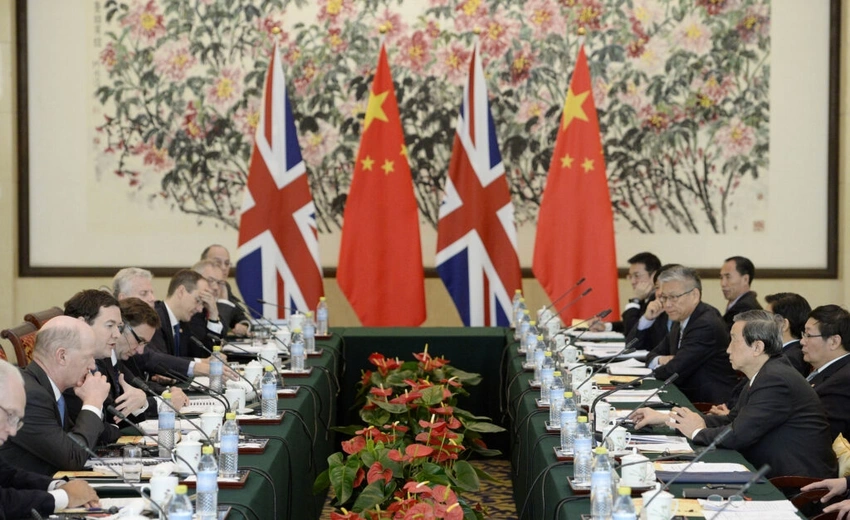
The move clears a path for Prime Minister Keir Starmer to travel to Beijing in the coming weeks, signaling a pragmatic approach to China despite wider political tensions at home and abroad. The timing underscores how diplomatic and security considerations are often intertwined in high-profile international initiatives.
Locals say they will mount a legal challenge, arguing that the scale and proximity of the project raise security and other concerns. Critics have warned that a “mega-embassy” could attract unwanted attention or create long-term security questions, even as opponents acknowledge the government’s assurances.
Ethical objections to providing an embassy for a specific country, the minister noted, cannot be treated as a material planning consideration. In a related briefing, two senior spy chiefs acknowledged that it is not realistic to eliminate every risk but asserted that a robust package of mitigations can address most concerns.
There is no site-specific security objection from the Home Office or Foreign Office, and the owners of nearby data cables reportedly did not raise concerns about the project’s proximity to critical infrastructure. Still, critics in Parliament and among residents warn that the final outcome may hinge on how effectively safeguards are implemented and monitored over time.
The controversy surrounding the project reflects broader debates about China policy in the UK and Europe, where diplomacy, security, and local impacts intersect in a high-stakes calculation about influence and protection of critical assets.
