Trump's H-1B plan: train Americans, then send workers home

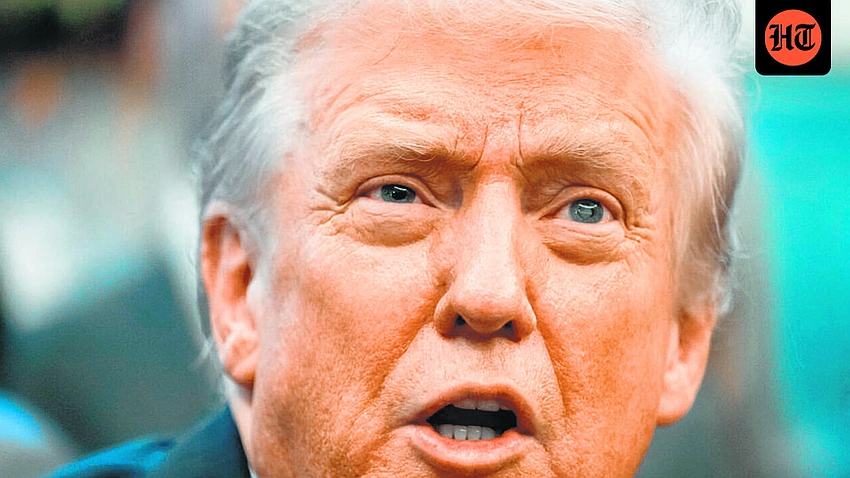
Trump's H-1B plan: train Americans, then send workers home
Treasury chief outlines a hiring strategy: bring in skilled foreigners to train Americans for years before they return home, as Trump nudges immigration policy toward talent and domestic jobs.
In the days after President Trump defended the H-1B visa program, Treasury Secretary Scott Bessent laid out a plan centered on skilled overseas workers who would train American workers before returning home. He described a path where foreign specialists could stay for three, five, or seven years to teach U.S. workers, after which Americans would take over the jobs. The aim, he argued, is to rebuild sectors like semiconductors and precision manufacturing that have seen jobs move abroad. 'A home run,' he called the idea of overseas partners coming in, training Americans, and then going back home.
Trump himself defended the approach on air, saying America does need to bring in talent from around the world. He insisted the country cannot assume it has all the needed skills and that some roles require foreign expertise. Yet he cautioned that you can't pull workers off unemployment lines and immediately slot them into missile- or factory-work, signaling a balancing act between attracting global talent and safeguarding domestic jobs.
The discussion touches on broader questions about how the United States will address talent gaps in manufacturing and defense, and how such a training-based approach would be implemented in practice. Critics and supporters alike will be watching how policies translate into on-the-ground hiring, wages, and opportunities for American workers.
Cover image source: Trump backs skilled immigration, softens position on H-1B visa 🔗
