Maria Shriver: Trump-Kennedy Center Rename Is 'Downright Weird'

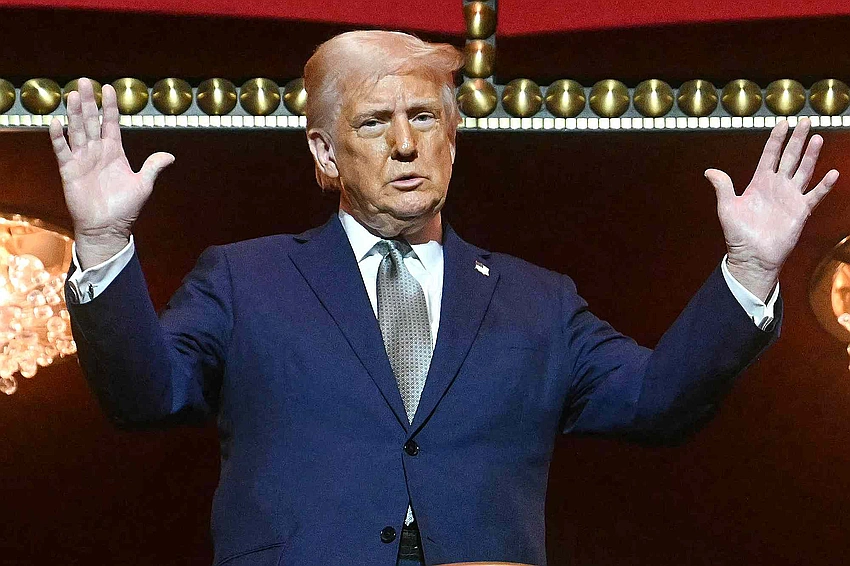
Maria Shriver: Trump-Kennedy Center Rename Is 'Downright Weird'
Kennedy relatives condemn the Trump-led rename of the Kennedy Center, with Shriver calling it 'downright weird' as board members defend the decision.
The John F. Kennedy Center for the Performing Arts is at the center of a heated naming dispute after a board vote led to what officials are calling the 'Trump-Kennedy Center.' Supporters describe the move as a forward-looking tribute, while critics question whether the tribute truly honors JFK’s legacy or becomes a political branding moment.
Maria Shriver, JFK’s niece, took to social media to express strong opposition. In a lengthy post, she argued that renaming the center after President Trump undermines a memorial built to celebrate JFK’s arts-forward legacy. She noted that JFK championed the arts, education, and culture, and she warned that adding a living president’s name in front of JFK’s could set a troubling precedent. The remark also included a pointed suggestion about other national landmarks, underscoring the broader implications she sees in the renaming.
Schlossberg and Kennedy III, both grandchildren of JFK, joined the chorus of critics, emphasizing their family’s long connection to the center and their concern that the new name runs counter to the center’s original mission. Their public statements reflected a broader unease within the Kennedy family about the branding choice and what it says about the role of the arts in national memory.
The board’s announcement, attributed to a unanimous vote by the leadership picked by the president, has come under scrutiny. Opponents, including a board member who has spoken out about being muted during the process, argue that the vote was not truly unanimous and that dissenting voices were silenced. Critics say the decision raises questions about governance and the line between honoring history and advancing contemporary politics.
Beyond family and boardroom debates, observers warn that the renaming could reverberate through the arts sector, potentially affecting long-standing collaborations and the center’s public image. Supporters say the move reflects a union of political prominence and cultural stature, while detractors fear it risks turning a national cultural landmark into a political symbol rather than a neutral stage for the arts.
