Republic Day seating row: Rahul Gandhi, Kharge in third row sparks protocol clash

Republic Day seating row: Rahul Gandhi, Kharge in third row sparks protocol clash
Friction over seating for Rahul Gandhi and Mallikarjun Kharge during Republic Day events drives a debate on decorum and protocol in Delhi.
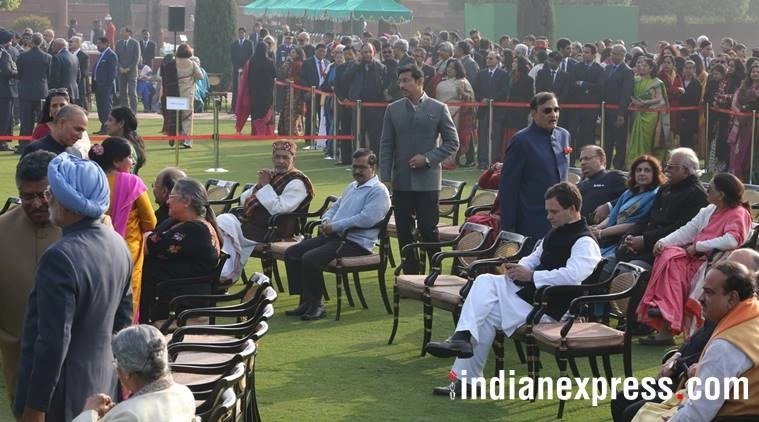
The Republic Day celebrations in New Delhi unfolded as a show of India’s defence prowess, but they were also bookended by a political spat over seating and protocol. The morning parade along Kartavya Path featured a controversy centered on two senior Congress leaders – Rahul Gandhi and Mallikarjun Kharge – who were seen seated in the third row, prompting a quick flare-up from the opposition.
Congress leaders highlighted the seating arrangement as a breach of established decorum. Social media posts by Congress General Secretary Randeep Surjewala questioned whether the opposition leaders’ placement met the standards of decorum and protocol in a democracy. Fellow party members echoed the concern, with lawmakers arguing that such seating choices aren’t just an insult to individuals but to the nation’s institutions.
The ruling BJP defended the format, pointing to official guidelines that govern seating by a set table of precedence. Party spokespeople noted that the arrangement places senior ministers and officials in the surrounding seats, and that the lineup is crafted according to a pre-determined order. The exchange underscored the persistent friction between the two sides over protocol that has grown more visible during high-profile national events.
In the evening, during the President’s At Home reception, another point of controversy surfaced: Rahul Gandhi’s appearance, including questions over whether he wore a traditional garment appropriate for the occasion. While the BJP framed protocol as a matter of record, opposition voices suggested such moments are ripe for political signalling and public interpretation, especially on days meant to celebrate national identity.
The day’s events thus reflected a larger clash over how symbolism, ceremony, and power are displayed at moments of national pride. For many observers, the controversy risked eclipsing the Republic Day’s overarching message of unity and resilience, turning decorum into a focal point of political messaging. As both sides trade barbs, the ceremony itself remains a reminder of India’s stubbornly vibrant and often combustible democratic discourse.
