Forget Digital Detox: Why Your 14-Hour Screen Time Is Actually a Flex

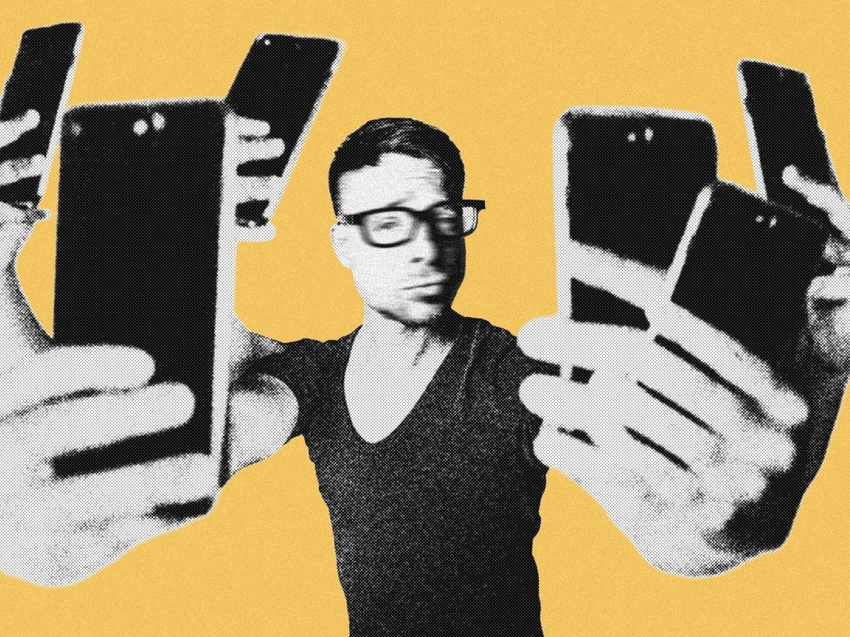
Forget Digital Detox: Why Your 14-Hour Screen Time Is Actually a Flex
Digital detoxes are so 2022. Meet the screen time maximalists of 2026 who are reclaiming their digital lives and refusing to log off. Stop the shame and embrace the glow.
Forget Digital Detox: Why Screen Time Maximalism Is the Ultimate Rebellion
For years, we have been told that our phones are the enemy. We have been lectured by wellness influencers about the virtues of touching grass and warned by doctors that our attention spans are shrinking to the size of a pixel. But as we move deeper into 2026, a new movement is emerging that flips the script entirely. It is called screen time maximalism, and it is time we stop shaming those who choose to live their lives in the glow of the backlight.
The Death of the Digital Detox
Remember the digital detox? It was that brief, shimmering trend where people would lock their phones in safes for a weekend only to come back and post fifty photos of the trees they saw. That era is over. The chronically online are no longer hiding in the shadows of society. Instead, they are leaning into the high-speed, hyper-connected reality of our modern world.
To the maximalist, a fourteen-hour screen time isn't a sign of failure. It is a sign of engagement. It is a commitment to being present in the only world that actually matters anymore: the digital one. While critics call it an addiction, the practitioners call it a lifestyle choice.
Why More Is More
The rebellion of 2026 isn't about running away to the woods. It is about total immersion. We are talking about:
- Infinite Information: Accessing the sum of human knowledge while eating breakfast.
- Hyper-Socializing: Maintaining dozens of deep, meaningful relationships across five different time zones simultaneously.
- Economic Agility: Managing side hustles, crypto portfolios, and creative projects all from a six-inch glass rectangle.
When you look at it that way, putting the phone down seems almost irresponsible. Why would you choose to be less informed, less connected, and less productive?
Stop the Shame
The guilt associated with screen time is a relic of a pre-integrated age. In 2026, the line between online and real life has blurred to the point of extinction. Shaming someone for their screen time is like shaming someone for breathing too much air. It is the medium through which we exist.
The next time you see someone staring intently at their device in a coffee shop, don't pity them. They are likely experiencing a level of global connectivity that our ancestors couldn't even dream of. Screen time maximalism isn't a problem to be solved; it is the new frontier of human experience. So, go ahead. Keep scrolling. The glow looks good on you.
