Hulu's 4/20 Docs: Real Education or Just a Corporate Cash Grab?

Hulu's 4/20 Docs: Real Education or Just a Corporate Cash Grab?
Is mainstream media finally giving cannabis culture the respect it deserves? We dive into Hulu's new 4/20 documentary series and ask if it's progress or just profit.
The New High: Is Mainstream Media Finally Getting Weed Right?
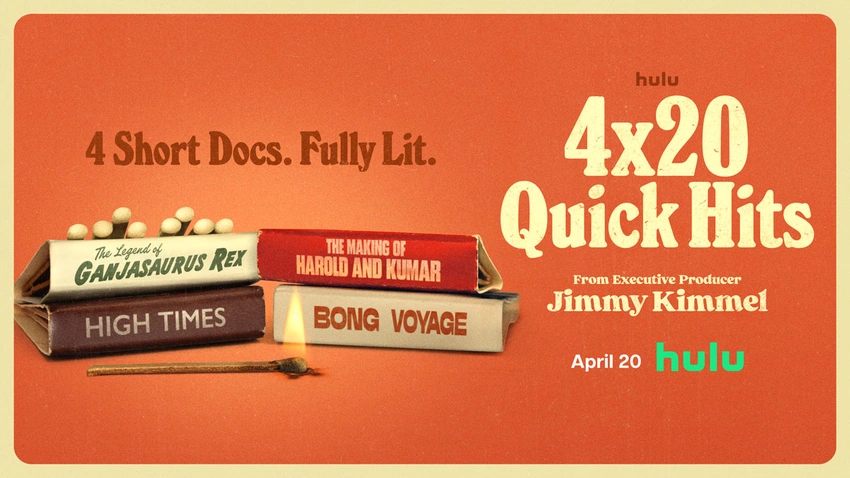
April 20th used to be an underground holiday, celebrated in hazy basements and secret park corners. Fast forward to today, and the green wave has officially hit the streaming giants. This year, Hulu is rolling out a series of four 20 minute documentaries under the banner of 4X20: Quick Hits. Executive produced by late night heavyweight Jimmy Kimmel, the collection aims to dive into the smoky corners of pot history. But as the bong water clears, we have to ask ourselves: is this a genuine win for cannabis education or is it just another corporate brand cashing in on a trend?
From Cult Classics to Legal Realities
The documentaries cover some fascinating ground that goes beyond the typical stoner tropes. We get a look at how Harold and Kumar Go to White Castle broke barriers for Asian American leads while becoming a stoner staple. There is also a deep dive into the legacy of High Times magazine and its founder, Tom Forcade, who famously smuggled plants to fund his publishing dreams.
Perhaps more importantly, the series touches on the darker, more political side of the history through stories like: * The Legend of Ganjasaurus Rex: A look at a Humboldt County cult film made as an act of protest against the War on Drugs. * Bong Voyage: The story of Jason Harris, a world-renowned glass artist who found himself in the crosshairs of federal authorities during the infamous Operation Pipe Dream.
Education or Exploitation?
On one hand, seeing these stories on a platform as massive as Hulu is a significant step toward normalization. For decades, cannabis was portrayed in media only as a punchline or a societal danger. By highlighting the craftsmanship of glass blowing and the political activism behind early publications, these documentaries offer a level of respect to the culture that was long overdue. It provides a platform for stories that were once suppressed by the very government that now allows them to be streamed.
On the other hand, there is something slightly ironic about a massive corporate entity celebrating a culture that was built on anti-establishment values. When streamers start packaging 4/20 like it is the Hallmark Channel for enthusiasts, we risk losing the gritty, rebellious soul of the movement. Is it really normalization if it has been sanitized for a general audience?
The Verdict
Ultimately, the more people who understand the history of the War on Drugs and the impact of the Free Press movement, the better. If it takes a few 20 minute documentaries and a celebrity endorsement to get those facts into the mainstream, then it is a trade worth making. We might be witnessing the corporate takeover of 4/20, but at least the history is being preserved for the next generation of enthusiasts to learn from.
