Iran Rejects Trump's 48-Hour Ultimatum Over Hormuz Tensions

Iran Rejects Trump's 48-Hour Ultimatum Over Hormuz Tensions
Iran dismisses the 48-hour US deadline as tensions spike in the Hormuz Strait, with reports of military actions and warnings escalating the crisis.
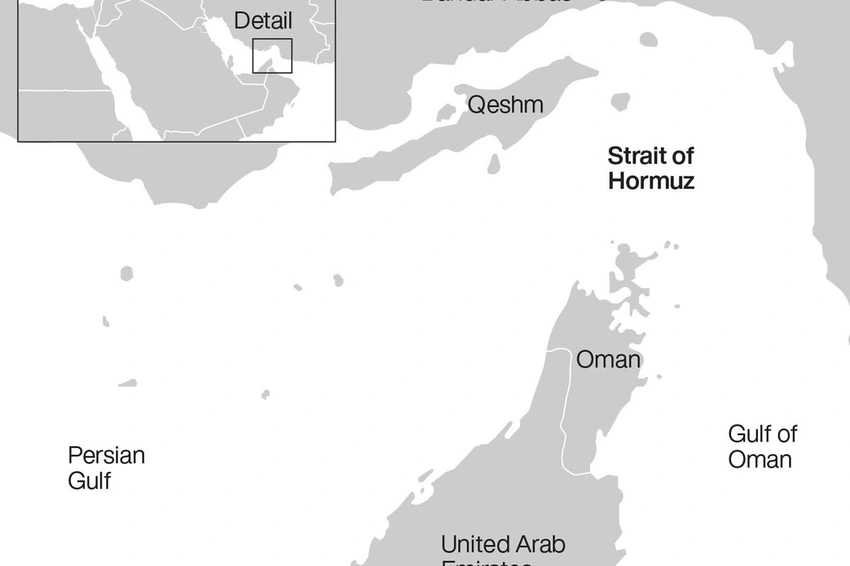
Iran has rejected a 48-hour ultimatum from the United States amid rising tensions over the Strait of Hormuz, a critical chokepoint for global energy shipments. The ultimatum, tied to a potential peace deal and the reopening of Hormuz, was delivered by the United States in intense diplomatic exchanges aimed at steering Tehran toward concessions. Iran’s leadership issued a firm rebuttal, signaling that it will not be swayed by threats or deadlines that it views as external interference in its sovereign affairs.
The warning from the US came with threats to target Iran’s essential infrastructure if a deal is not reached within the stated window. The message, disseminated through official channels, underscored Washington’s stance that time is running out for diplomacy to prevail in a volatile region where a misstep could have far-reaching consequences for global markets and security.
Complicating the picture, reports describe a strike near Iran’s nuclear power facilities that prompted evacuations, a development that has heightened regional alarms and raised questions about the risk of a broader confrontation. In a separate claim, the Revolutionary Guards said they hit a commercial ship in Bahrain it accused of links to Israel, a move that further elevates the volatility surrounding the dispute and complicates any prospect of de-escalation.
The Strait of Hormuz remains a strategic artery through which a large portion of the world’s crude passes. Any sustained pressure on shipping routes there could ripple through energy prices and draw in more players, intensifying both regional and global anxiety. Analysts say that while military posturing can escalate quickly, there are still avenues for restraint through dialogue and multilateral mediation, provided all sides are willing to return to constructive talks.
As the countdown to any potential deal continues, Iran’s leadership appears insistent on guarding its red lines, while the US signals readiness to impose costs if its terms are not met. The coming days will likely test whether diplomatic channels can outpace the drumbeats of escalation; in the meantime, the Hormuz corridor stands as a fragile frontline in a broader struggle over influence, security, and the future of Middle East diplomacy.
