Did You Know That Heels Were Made For Men and Not Women?

Did You Know That Heels Were Made For Men and Not Women?
Did You Know That Heels Were Made For Men and Not Women?
From Persian horsemen to European aristocrats, heels started as tools of balance and power, then evolved into symbols of status and style. This journey shows fashion history is about power, not just aesthetics.
High heels, for most of us, evoke images of femininity, grace, glamour, and sometimes, a quiet endurance hidden behind elegance. Yet their story begins not with women, but with men. Long before stilettos strutted across runways, heels were tools of power, practicality, and prestige. They belonged to soldiers, kings, and courtiers, not as accessories of beauty, but as markers of authority.
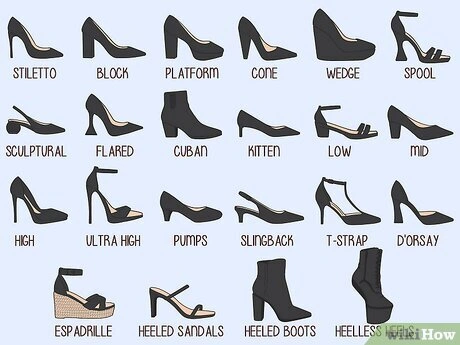
It’s strange how something so distinctly gendered today was once neutral, even masculine. But that’s the story of fashion itself, fluid, cyclical, always changing shape with culture’s mood.
Power in Every Step
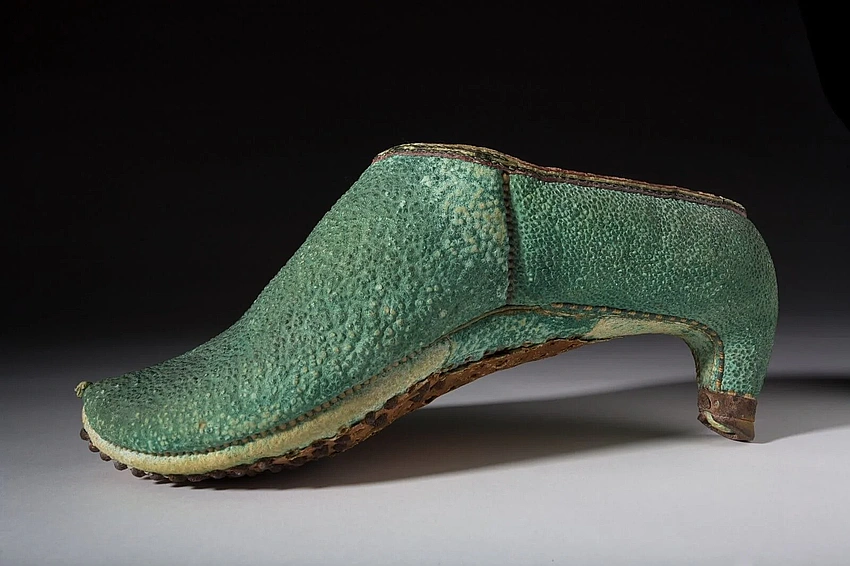
In 10th-century Persia, heels were not about height but stability. Horsemen wore them to grip stirrups while shooting arrows, ensuring balance and control. The raised heel helped warriors stand tall, literally and symbolically anchored between strength and style.
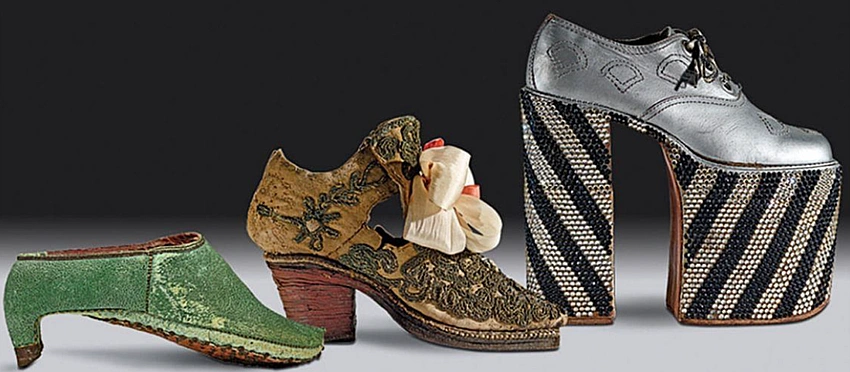
When Persian diplomats visited Europe in the 17th century, their distinctive footwear caught the attention of European nobility. Aristocrats, always eager to borrow symbols of power, adopted the heel as a statement of class. Men who wore heels were signalling not vanity but privilege. They didn’t need to walk or labour; they could afford discomfort for display.
Height as Hierarchy
By the time of Louis XIV, heels had ascended to the pinnacle of courtly life. The French king, often seen in bright red heels, turned them into symbols of royal exclusivity. Red dye was expensive, difficult to produce, and thus reserved for those of status.
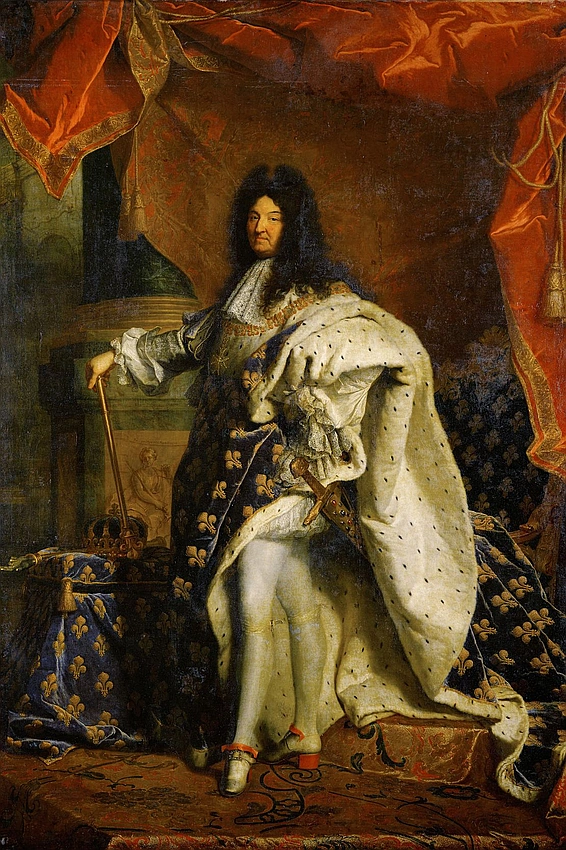
The higher the heel, the higher one’s rank. It wasn’t gendered; it was hierarchical. Men wore heels to look taller, more commanding, more divine. It was fashion as language, each inch communicating power.
But the heel’s theatricality of its blend of function and ornament already hinted at fashion being fluid. Whether in a saddle or a ballroom, it carried the same quiet assertion: clothing, like identity, can’t be contained by a single role.
The Fall of Height and the Birth of Gendered Dress
By the late 18th century, the ground began to shift. Enlightenment ideals of equality and reason swept through Europe, and along with them came a distaste for aristocratic excess. Men began dressing in darker, simpler clothing as a visual language of rationality and seriousness.
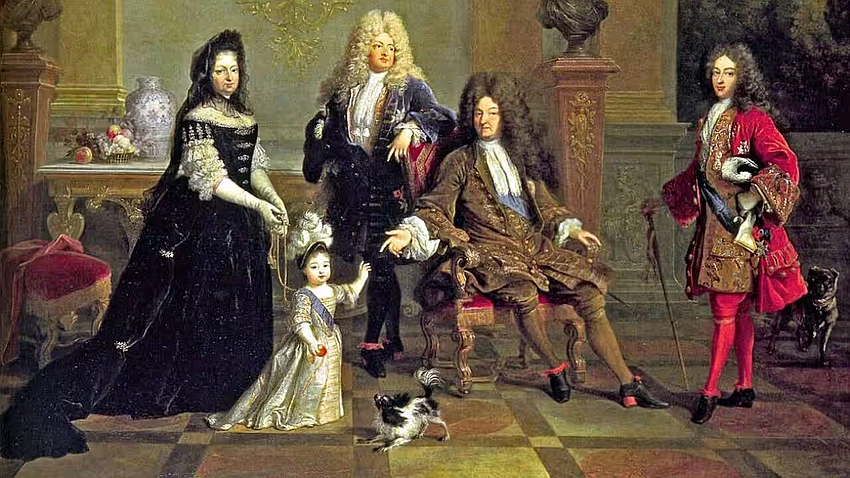
High heels, with their flamboyance and impracticality, faded from men’s wardrobes. They found a new home among women, as fashion slowly divided along gender lines. What was once a sign of status transformed into a symbol of femininity. The heel’s meaning changed, not because its form did, but because society decided who was allowed to wear spectacles.
This shift was not inevitable; it was cultural storytelling. The heel didn’t change gender—our reading of it did.
Fashion Has No Fixed Gender
Today, the heel’s past unsettles our assumptions. We tend to see fashion as a mirror of gender, but perhaps it’s the other way around. If heels could move from the feet of warriors to the feet of women, maybe clothing itself is a more honest historian than we are in recording our shifting ideals, our discomfort with ambiguity.
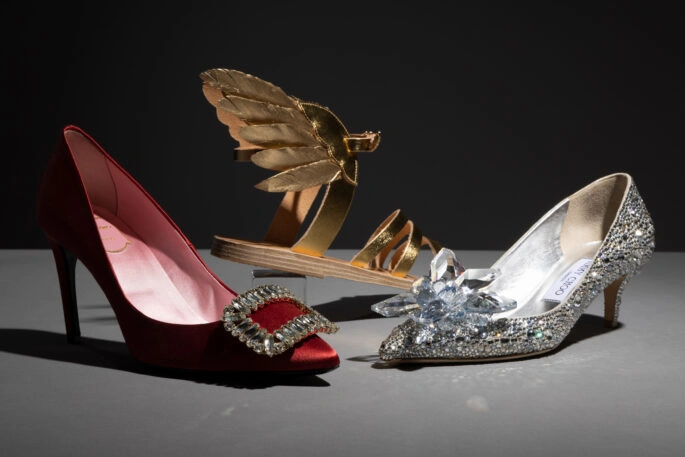
Fashion has always been porous, slipping between identities. What we call “men’s” or “women’s” wear is often a snapshot in time, not a fixed truth. Centuries ago, lace, silk, and heels were masculine markers; centuries later, they became feminine ones.
Words, like garments, gather meanings through use. They shift depending on who speaks them, where, and why. The heel, in this sense, is a text once read as power, now as poise.
Stepping Beyond Binaries
Heels remind us that style is not destiny. The lines between “his” and “hers” are drawn by culture, not carved in stone. When we look back at the Persian cavalry or the court of Louis XIV, we see not anomalies, but evidence of fashion’s freedom.
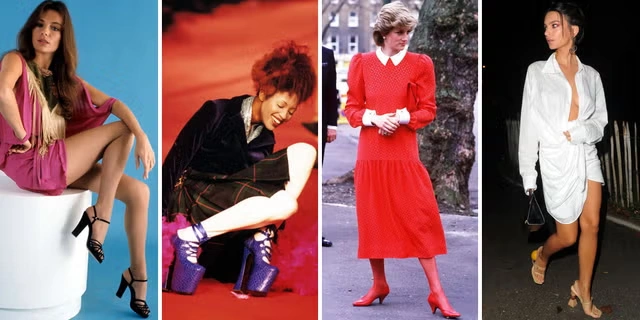
To wear a heel today, regardless of gender, is not reclaiming, but remembering. It’s acknowledging that clothing is not bound by biology. It’s a choice, a conversation, a gesture that resists being categorised.
Perhaps that’s what makes the heel enduring. It balances strength and beauty, practicality and artifice. It speaks to a human desire to stand taller, to be seen. In every era, that desire belongs to everyone.
#FashionHistory, #HighHeels, #FootwearEvolution, #StyleAndPower, #CultureOfClothing #Fashion
