Why the Great Rock Drummer Swap is the Multiverse Crossover We Actually Wanted

Why the Great Rock Drummer Swap is the Multiverse Crossover We Actually Wanted
Forget superhero sequels. The real multiverse is happening in the drum booth. Here is why band swaps are the most wholesome thing in music right now.
The Great Rhythm Exchange
We have seen it all in the music world. From messy breakups to public feuds, rock and roll often feels like a high-stakes drama. But lately, something different is happening. We are entering the era of the Rock Multiverse, and it is exactly the kind of stability we need.
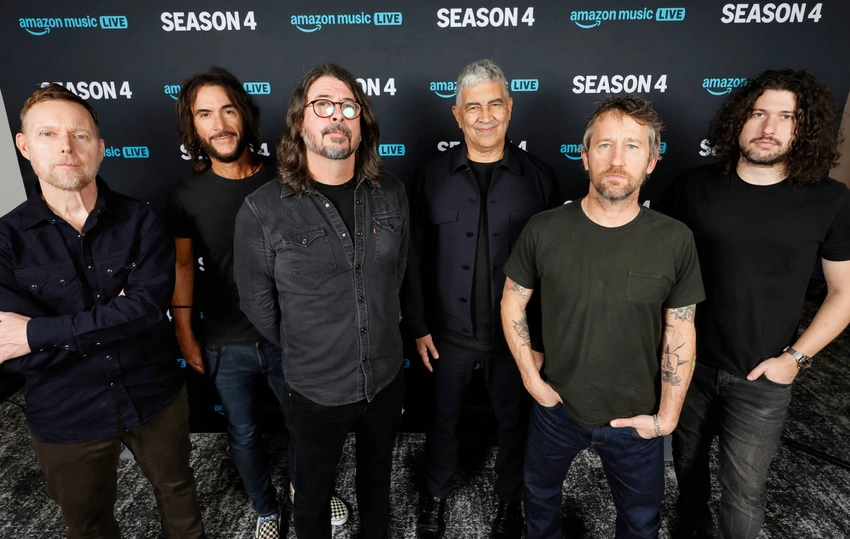
Take the recent musical chairs between the Foo Fighters and Nine Inch Nails. When Ilan Rubin moved over to the Foo Fighters, and Josh Freese returned to his old stomping grounds with Trent Reznor, the internet called it a drummer swap. While some might imagine Dave Grohl and Reznor sitting in a dark room trading players like baseball cards, the reality is much more grounded: it is just a beautiful example of professional logic.
Why This Energy Matters
In a world full of chaotic headlines, seeing legendary musicians transition smoothly between iconic bands is incredibly refreshing. It is not about ego or backstabbing. It is about the right fit at the right time. Rubin himself has noted that these moves are often just a result of timing and contracts ending. When an opportunity presents itself, a true pro takes it.
The benefits of this musical crossover are clear:
- Zero Drama: There are no leaked diss tracks or angry tweets. Just professionals respecting the craft.
- Legacy Preservation: Iconic bands can continue touring and recording without missing a beat, ensuring the music stays alive for the fans.
- Versatility: Seeing a drummer like Rubin bring his specific energy to the Foo Fighters while Freese brings his experience back to NIN creates a fresh dynamic for both audiences.
The Logical Choice
Imagine being a front-man in a massive touring act. You do not always want to spend months in a rehearsal studio teaching someone new how to play a decades-deep catalog. Having a veteran step in, or return to a seat they have already occupied, makes perfect sense. It allows the music to remain the primary focus instead of the personnel change.
As we head further into 2026, this kind of collaborative spirit is exactly what the industry needs. It turns the competitive nature of the music business into a community effort. This is not just a swap: it is a testament to the skill and versatility of the modern musician. If the rock multiverse means we get more high-quality performances and fewer messy splits, then we should all be here for it. Rock is not dead; it is just rearranging the furniture to make room for everyone.
