Hank Green on AI: 'My Usage Is Not Healthy' – A Creator's Warning

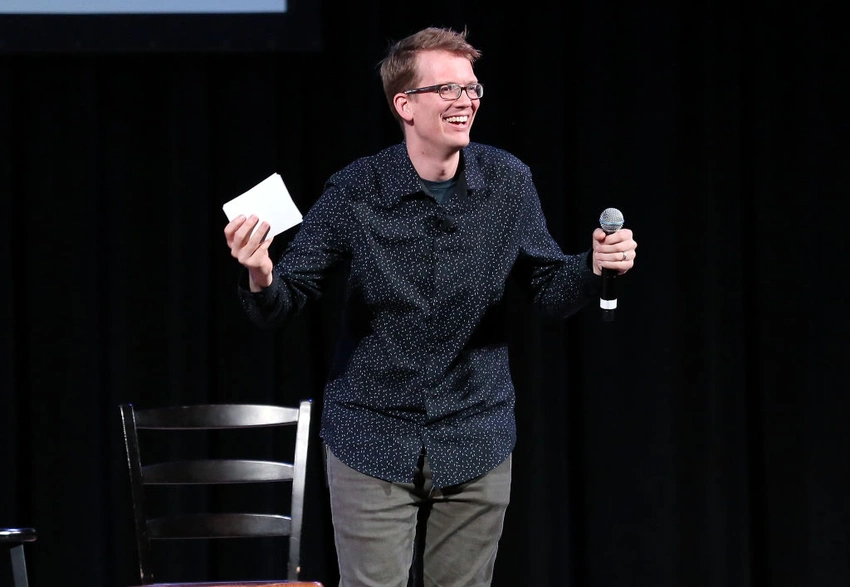
Hank Green on AI: 'My Usage Is Not Healthy' – A Creator's Warning
YouTube star Hank Green reveals his intense interaction with LLMs is creating an unhealthy dopamine loop. Is our AI addiction a hidden mental health crisis for creators?
The Dark Side of AI: Even Creators Are Feeling the Burn
We've all been buzzing about AI, haven't we? The potential, the tools, the ways it's revolutionizing everything from content creation to customer service. But what happens when the very technology we champion starts to impact our mental well-being?
It's a question that's gaining traction, and now, even prominent creators like Hank Green are speaking out, offering a stark warning about the “unhealthy” relationship many of us are unknowingly developing with these powerful tools.
Green, known for his insightful commentary and vast online presence, recently dropped a bombshell by stating that
the level of dopamine that I’ve been getting from interacting with LLMs… is not healthy for me or good for the world.
Think about that for a second. This isn’t some Luddite railing against progress; this is a highly intelligent, forward-thinking individual admitting that the instant gratification and constant feedback loop offered by large language models (LLMs) can be genuinely detrimental.
The Dopamine Trap: Why LLMs Are So Addictive
So, what exactly is going on here? Interacting with LLMs can feel incredibly stimulating. You ask a question, you get an instant, often surprisingly coherent and helpful, answer.
You prompt for ideas, and it generates a dozen in seconds. For creators, this can feel like having an always-on brainstorming partner, an editor, or even a ghostwriter. The constant flow of information, the feeling of productivity, and the seemingly endless possibilities can trigger a significant dopamine release, our brain's reward chemical.
And like any powerful reward, it can become addictive.
But this isn't just about feeling 'good.' It's about the subtle ways this constant interaction can rewire our brains and impact our natural creative processes. Are we losing the ability to sit with discomfort, to wrestle with difficult ideas, or to rely on our own internal wellspring of creativity when an LLM can provide a quick fix?
The instant gratification might be stifling deeper, more meaningful cognitive work.
Beyond Hank Green: A Growing Concern
Green's candid confession isn't an isolated incident; it's a canary in the coal mine for the wider creator community. Many of us are leveraging AI daily, and while the efficiency gains are undeniable, the long-term mental health implications are just starting to surface. The pressure to constantly produce, coupled with the seductive ease of AI-generated content, can lead to burnout, creative block, and even feelings of inadequacy.
- Over-reliance: When do we stop thinking for ourselves?
- Blurred Lines: What is 'my' work versus the AI's?
- Mental Fatigue: The sheer volume of AI-generated output can be overwhelming.
- Validation Loop: Seeking constant digital affirmation from LLM interactions.
This isn't about shunning AI entirely. It's about being mindful and intentional. It's about understanding the psychological impact of these powerful tools and learning how to integrate them sustainably, without sacrificing our mental health or our unique creative spark.
Hank Green's warning serves as a crucial reminder: as we build smarter AI, we also need to build healthier relationships with it.
Otherwise, the very innovation meant to empower us might inadvertently diminish us.
It’s time we had a serious conversation about digital wellness in the age of advanced AI.
Your brain, your creativity, and your well-being depend on it.
