UP CM: Chinese Manja Deaths to Be Treated as Murder

UP CM: Chinese Manja Deaths to Be Treated as Murder
UP Chief Minister Yogi Adityanath orders a statewide crackdown on Chinese manjha, treating related deaths as murder and tightening bans on the hazardous kite string.
Lucknow saw a bold warning from the Uttar Pradesh chief minister as he framed deaths from the banned Chinese manjha as murder and announced a statewide crackdown on its sale and use. The move comes amid rising fatalities linked to the nearly invisible, glass-coated nylon kite string that has claimed several lives in recent months. The chief minister pledged strict legal action against those responsible, alongside a comprehensive campaign to curb storage, sale, and transport of the dangerous material.
In recent incidents across the state, commuters, pedestrians, and two-wheelers fell prey to the sharp thread, with six deaths reported in about a year. In the latest tragedy, a 33-year-old medical representative, Mohammad Shoaib, died after the string cut a vein in his neck as he rode through Lucknow’s Bazaar Khala area. The tragedy underscored the danger posed not only to kite enthusiasts but to the general public sharing crowded urban spaces.
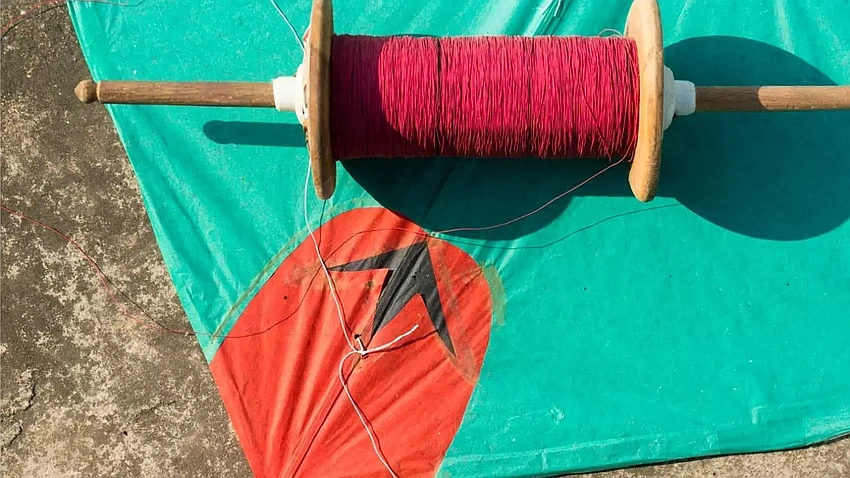
Officials clarified that Chinese manjha is a coated nylon line, often enhanced with powdered glass or metallic abrasives to improve performance in competitive kite flying. This combination makes it extraordinarily sharp and durable, capable of slicing through clothing, flesh, and even vehicle tires. Enforcement agencies have been directed to launch raids and ensure that the banned string is not sold, stored, or transported within the state.
The administration is also working on a legal and procedural framework to ensure that deaths caused by the use of Chinese manjha are treated as cases of murder, a policy backed by promises of strict action against sellers, suppliers, and users. Public safety is the guiding principle behind the statewide campaign, with police instructed to maintain vigilance and to pursue violators vigorously.
While the ban is supported by many residents and wildlife advocates who highlight its hazards to people and birds, the real test will be in enforcement and sustained public awareness to prevent future tragedies.
