Australia's Landmark Census: First Time Asking About Gender & Sexuality

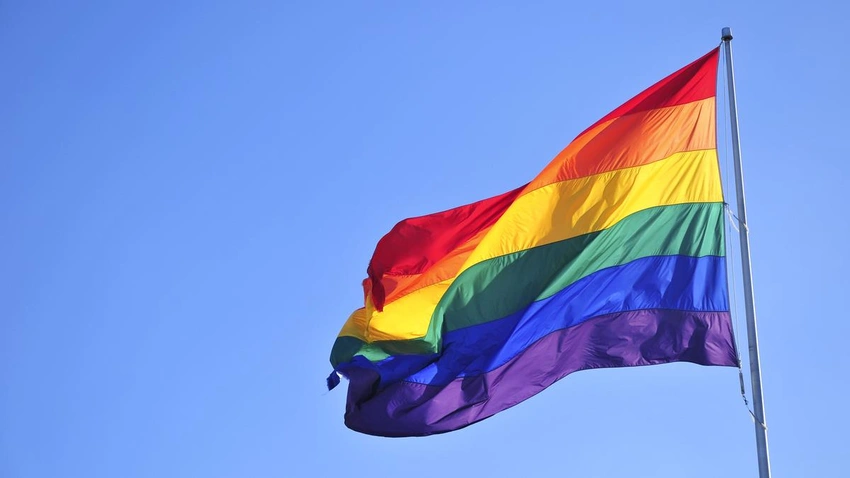
Australia's Landmark Census: First Time Asking About Gender & Sexuality
Australia launches its most inclusive census yet, with nearly 28 million people asked about gender and sexual orientation for the first time. Discover how this historic change will shape services and foster inclusivity.
Tonight, nearly 28 million Australians are expected to participate in the nation's largest and most inclusive census yet. For the first time, individuals aged 16 and above will be asked to provide information on their gender, sexual orientation, and sex recorded at birth, marking a significant step towards greater inclusivity and data collection.
This decennial count is more than just numbers; it's a critical mechanism that dictates how Australia allocates funds for essential public services like hospitals, schools, and transport over the next five years. The insights gathered from these new questions are expected to provide a more accurate and comprehensive understanding of the Australian population, particularly for communities whose needs have historically been underrepresented.
Demographer Liz Allen of the Australian National University hailed this as a monumental shift, the biggest since the census began inquiring about Indigenous status over five decades ago. "These questions mark a massive watershed for Australia," Allen told InDaily. "This moment in time is monumental, not necessarily just for the data, but more so for the signal that it sends to individuals across Australia that we all count, we all matter."
The introduction of these questions follows years of advocacy and a formal complaint filed in 2022 by campaign group Equality Australia and parent April Long, who highlighted the limitations of the 2021 form's gendered wording for diverse families. The Australian Bureau of Statistics (ABS) subsequently issued a statement of regret and established an expert advisory committee to guide these crucial changes.
Participation in the census is mandatory for every person in the country on census night, including visitors and temporary visa holders. Non-compliance can result in fines of up to A$364 (£190) per day. Beyond the new demographic questions, the 2026 form (referring to the preparation cycle though the census is tonight) also drops gendered wording from questions pertaining to household and family relationships, further reflecting a commitment to modern and inclusive language. This landmark census aims to ensure that all Australians are seen, counted, and have their needs considered in future national planning.
#AustraliaCensus #LGBTQIAustralia #InclusivityMatters #DataForChange
