Nepal's election wave reshapes ties as Balendra Shah takes charge

Nepal's election wave reshapes ties as Balendra Shah takes charge
Nepal’s voters deliver a sweeping mandate to Balendra Shah's RSP, signaling a new era of governance and shifting regional ties.
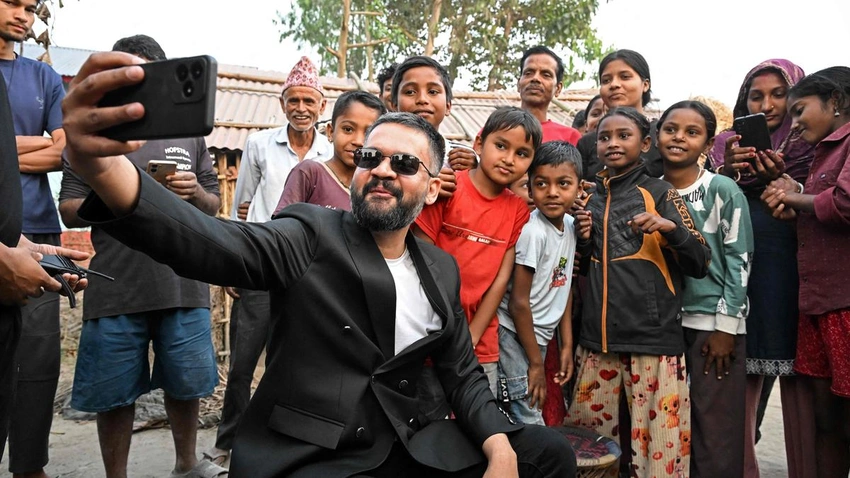
Nepal’s election results have been described as a political earthquake, with a decisive rejection of long-standing leaders and parties. A younger generation of professionals and digitally savvy activists, who mobilized last year, propelled Balendra Shah—better known as Balen—into power with the Rastriya Swatantra Party (RSP) winning a strong majority. The incoming government faces towering tasks: create jobs for youth, curb massive outward migration, unlock rapid inclusive growth, and root out nepotism and corruption while delivering good governance. The challenge now is translating a powerful mandate into practical reform.
Analysts caution that the victory did not spell out a clear reform agenda, and governance will be tested as the new leadership settles in. There is a risk of frustration or disillusionment if promises go unfulfilled or if protests flare up again, as happened last September. Still, voters have sent a message that the status quo is unsustainable and that change is demanded quickly.
Internationally, the new leadership must navigate a delicate foreign policy with ties to India, China, and the United States, along with managing the region’s evolving dynamics, including issues in West Asia. The balance and credibility Nepal seeks in its foreign policy will shape how it can pursue economic reform at home.
By winning a two-thirds majority, the RSP has a mandate to execute a broad transformation, but the real work begins with policy detail, credible delivery, and building trust. The caretaker prime minister’s warnings about vigilance against mob pressure signal that the road ahead may be rocky. If the government can align its ambitions with transparent governance and inclusive growth, Nepal could see a new era of stability and opportunity.
