Why Your 'Pack' Can Be Wrong (and You'll Still Believe It)

Why Your 'Pack' Can Be Wrong (and You'll Still Believe It)
Ever wondered why we stick to our group's beliefs even when facts say otherwise? Explore the powerful evolutionary pull of the 'pack' and how it shapes - and distorts - our reality.
The Primal Urge to Belong
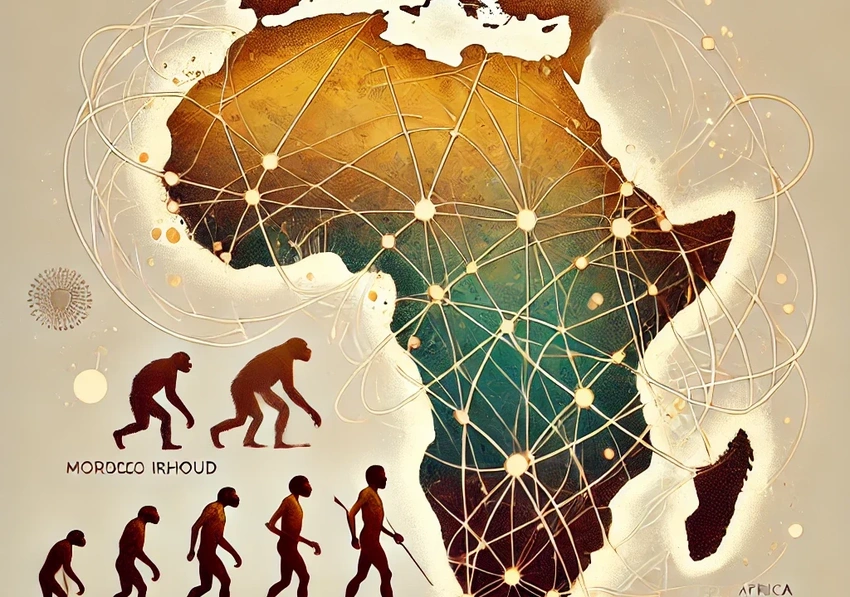
We all crave belonging, don't we? It's a deep-seated, evolutionary impulse. For our ancestors, being part of a 'pack' literally meant survival-safety from predators, shared resources, and a better chance at procreation.
This ancient programming wired us to seek out groups and, crucially, to conform to their norms and beliefs.
The Whispers of the Echo Chamber
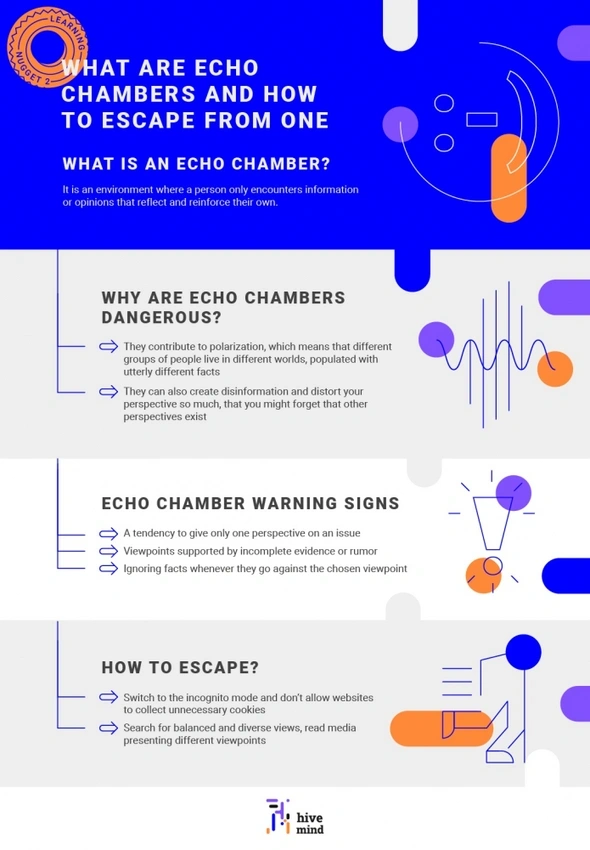
Fast forward to today, and that primal urge has met its match in the digital age: the echo chamber.
Think about your social media feeds or even your close friend groups. We naturally gravitate towards information and people who mirror our existing views.
This creates a cozy, self-reinforcing bubble where alternative perspectives are rarely seen or heard, leaving us feeling validated but potentially misinformed.

When the Pack Thinks as One: Groupthink's Grip
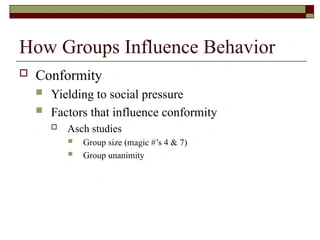
Beyond just filtering information, this 'pack' mentality can lead to something more insidious: groupthink. Psychologist Irving Janis coined this term, describing situations where the desire for harmony or conformity in a group results in irrational or dysfunctional decision-making. Members suppress dissenting viewpoints to maintain consensus, leading to poor choices and a warped sense of reality.
We've seen it play out in historical blunders, where unanimous agreement trumped critical analysis.
The pressure to conform can be immense, making us question our own perceptions in favor of the group's narrative.
It's the comfort of consensus, even if it's wrong.
Your Brain on Belief: The Reality Distortion Field
When we're entrenched in an echo chamber or under the spell of groupthink, our brains actively work to maintain consistency. It's largely unconscious. Cognitive biases kick in, making us selectively interpret evidence, rationalize away contradictions, and even outright reject inconvenient truths that threaten our group identity.
Our identities become intertwined with our group's beliefs. To question the group is to question ourselves, which can feel like an existential threat. It's a powerful psychological pull, turning objective reality into a subjective, group-approved narrative.
Breaking Free: A Call for Intellectual Courage
So, how do we escape the magnetic pull of the pack when it distorts our world? The first step is awareness. Acknowledge that your brain is wired for conformity and that your information streams are likely curated.
Then, actively seek out diverse viewpoints-not to argue, but to understand.
Question your assumptions, even the ones held dear by your group. As the great philosopher Jiddu Krishnamurti wisely put it,
It is no measure of health to be well adjusted to a profoundly sick society.
It takes courage to think independently, to tolerate ambiguity, and to engage with ideas that challenge your comfort zone.
Cultivating intellectual humility and a genuine curiosity for differing perspectives is our best defense against the distortions of the pack.