Fort Hood Execution Livestream Plan Sparks Global Outcry

Fort Hood Execution Livestream Plan Sparks Global Outcry
The Pentagon's controversial proposal to livestream the Fort Hood shooter's execution faces fierce backlash from the UN and US lawmakers. Is public execution making a return?
The US Department of Defense (DoD) has announced controversial plans to potentially livestream the execution of Nidal Hasan, the former Army major responsible for the horrific 2009 Fort Hood shooting. Hasan, who killed 13 unarmed US soldiers and injured 32 others, is set to be executed by firing squad. If this plan proceeds, it would mark the first public execution in the United States in nearly a century.
This unprecedented proposal has ignited a firestorm of criticism both domestically and internationally.
The United Nations has swiftly condemned the move, stating that livestreaming an execution would amount to "torture." Meanwhile, US lawmakers have voiced fierce backlash, branding the plan as "grotesque" and drawing comparisons to actions typically associated with terror groups and oppressive governments.
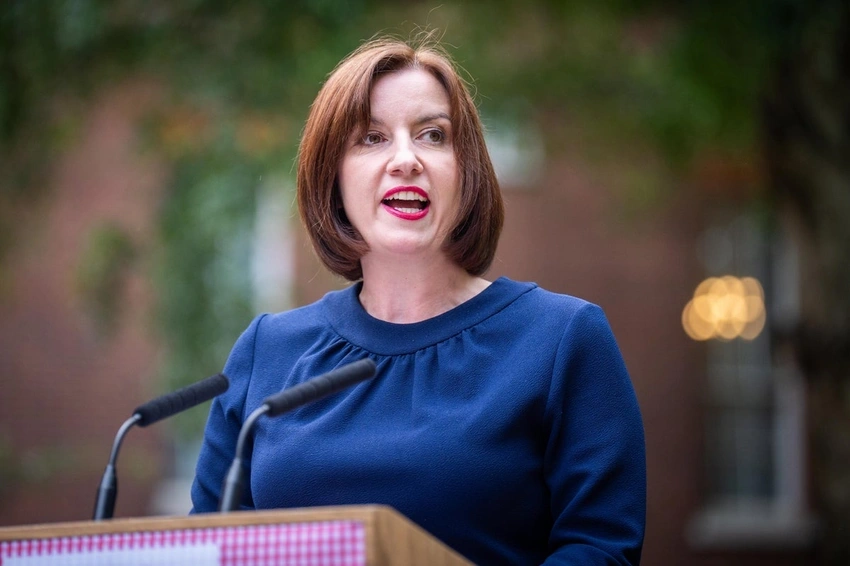
Bridget Phillipson, a prominent UK Labour politician, also described the plans as "disturbing." Even within the US, figures like Senator J.D.
Vance have expressed doubts, indicating they wouldn't watch such a broadcast.
The feasibility of livestreaming also hinges on the complex and often differing regulations governing executions.
Rules on the recording and filming of executions vary significantly between state, federal, and military jurisdictions.
Experts, such as Aisha Sembhi, are highlighting these intricate legal distinctions that could impact the DoD's ability to proceed with their plan.
The debate continues whether such a public spectacle truly serves justice or crosses an ethical line.

Login to comment.