Climate Crisis Accelerating: Earth's Vital Signs in Critical State!

Climate Crisis Accelerating: Earth's Vital Signs in Critical State!
A new report warns Earth's climate system is rapidly destabilizing, with 7 key vital signs at record extremes. The 2°C threshold could be crossed before 2050. Are we out of time?
A new report published in the journal BioScience on October 14 paints a stark picture of our planet's health, revealing that Earth's climate system is plunging deeper into uncharted territory. Scientists warn that global warming is accelerating at an alarming rate, far outpacing our ability to respond effectively.
The annual "State of the Climate" report, which meticulously tracks 16 planetary vital signs, found that seven of these crucial indicators are currently at unprecedented record extremes. These include critical metrics like sea levels and greenhouse gas concentrations in the atmosphere. Other vital signs, such as areas devastated by wildfires and ocean heat levels, are showing clear evidence of rapid acceleration or abrupt, unsettling shifts.
The research highlights a concerning trend: the rate of global warming has surged dramatically, from approximately 0.05°C per decade between 1880 and 1970 to roughly 0.36°C per decade between 2010 and 2024. At this pace, the critical 2°C threshold, intended to limit severe planetary damage, could be breached before 2050.
This rapid intensification raises the specter of reinforcing feedback loops and the crossing of 'tipping points', critical thresholds that can lead to irreversible environmental changes. Disturbingly, the Earth already passed its first climate tipping point in 2025, with rising ocean temperatures, acidification, overfishing, and pollution leading to widespread coral bleaching and mortality.
"Earth's life-support systems are being pushed beyond stable limits," the report states, "with changes unfolding faster than our ability to respond." The year 2026 served as a harsh reminder of these escalating impacts, witnessing numerous extreme weather events.
July 2026 was the hottest month on record for the contiguous United States, accompanied by record-high ocean temperatures.
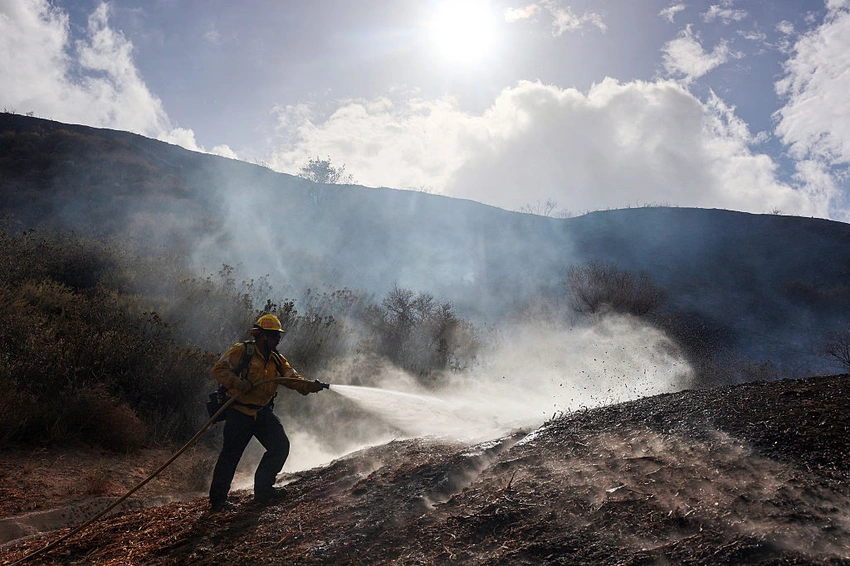
Europe endured back-to-back heat waves, resulting in an estimated 35,000 excess deaths. Regions including Utah, Ontario, France, Spain, Britain, and Belgium either experienced their worst wildfire seasons in history or are on track to do so. While individual events aren't solely attributable to climate change, research confirms that climate change is supercharging their intensity and frequency.
Adding to the concern, concentrations of greenhouse gases, carbon dioxide, methane, and nitrous oxide, all reached record levels in 2026. Atmospheric carbon dioxide surpassed 428 parts per million in May 2026, marking a roughly 50% increase above pre-industrial levels and the highest concentration in at least 2 million years.
The report also scrutinizes human activities driving these changes, identifying fossil fuel consumption as the dominant culprit. Fossil fuel use increased by 0.9% in 2025, with oil, coal, and gas reaching record highs, pushing annual energy-related carbon dioxide emissions past 41 gigatons for the first time.
Despite the grim outlook, the report acknowledges some glimmers of progress.
Low-carbon sources generated approximately 43% of global electricity in 2025, with solar and wind energy consumption growing by about 18%.
This shift was further accelerated by the war in Iran, which highlighted global reliance on fossil fuels and inadvertently spurred a green energy boom.
However, the report makes it clear that simply cutting carbon emissions will no longer suffice. Adaptation measures, ranging from adopting plant-based diets to restoring mangroves for storm surge protection, are now crucial for adjusting to our changing climate. The report concludes with an unavoidable truth: "We are witnessing the rapid destabilization of the Earth's climate system.
This is no longer a warning for the future; it is a diagnosis of the present."

Login to comment.