Trump weighs blocking Exxon from Venezuela after CEO calls market uninvestable

Trump weighs blocking Exxon from Venezuela after CEO calls market uninvestable
Trump hints he may sideline Exxon over CEO's 'uninvestable' Venezuela comments, tying access to tough reforms and investment protections.
During a White House meeting with at least 17 oil executives, President Donald Trump signaled he could sideline Exxon Mobil over CEO Darren Woods’ characterization of Venezuela’s market as 'uninvestable' in its current state. The session was part of a broader push to mobilize roughly $100 billion in new investment to revive Venezuela’s oil sector after years of political and regulatory upheaval. The stance underscores how the administration is tying policy openings to concrete reforms on the ground.
Woods described the hurdles facing any re-entry, recounting past asset seizures and arguing that durable investment protections and reforms to the hydrocarbons law are prerequisites for a return. 'If we look at the legal and commercial constructs and frameworks in place today in Venezuela, it's uninvestable,' he said, stressing that significant changes would be needed before the market could attract major capital.
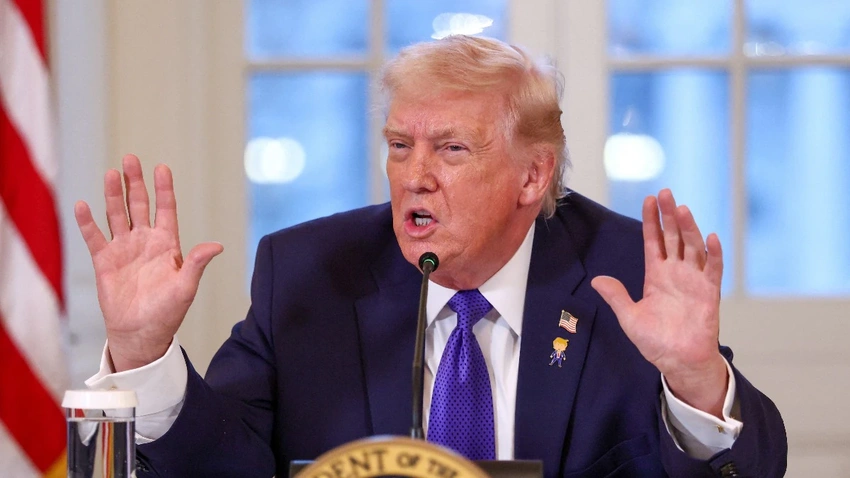
Trump fired back at Exxon, saying, 'I didn’t like Exxon’s response... I’ll probably be inclined to keep Exxon out. They’re playing too cute.' He also noted that ConocoPhillips would get a lot of its money back, but the U.S. would start with a clean slate: 'We’re not going to look at what people lost in the past because that was their fault.' In the room, ConocoPhillips CEO Ryan Lance indicated his firm would be a key player in any future recovery, underscoring the administration’s preference for concrete reform before new investment.
Taken together, the remarks highlight a tense negotiation between political risk and the economics of petroleum investment. Exxon has warned that the current framework makes Venezuela unattractive, while the White House appears intent on conditioning access to reform. The exchange illustrates how a potential policy pivot could hinge on changes to the hydrocarbons regime and on how the U.S. signals its willingness to balance punitive actions with investment incentives.
