The Light Memory Effect: Why Your Skin Remembers Sun Exposure Longer Than You Think

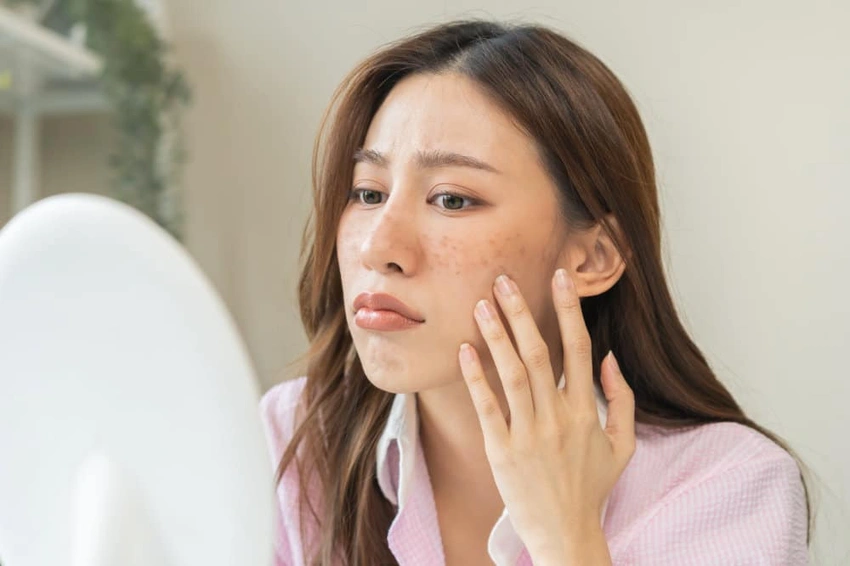
The Light Memory Effect: Why Your Skin Remembers Sun Exposure Longer Than You Think

How Invisible Damage Shapes Visible Skin
Most people think of sun exposure as something temporary. You step out, your skin gets exposed, and once you’re indoors, the impact feels like it ends there. But your skin doesn’t forget that easily. It stores what experts call “light memory,” a cumulative record of exposure that continues to influence how your skin behaves days, weeks, and even months later. This is why consistent use of sunscreen for acne prone skin 🔗 is not just about preventing tanning or burns. It is about interrupting a long-term chain reaction that can silently worsen breakouts and deepen post-acne marks.
Your skin reacts to sunlight in layers. The surface might look fine, but beneath it, processes are triggered that affect oil production, inflammation, and pigmentation. Over time, these changes build up and become harder to reverse.
What Happens Beneath the Surface After Sun Exposure
When UV rays hit your skin, they do more than just darken it. They penetrate deeper layers and trigger oxidative stress. This stress leads to:
- Increased inflammation, which can worsen active acne
- Stimulation of melanin production, making acne marks darker
- Weakening of the skin barrier, reducing its ability to heal
Even a short period of unprotected exposure can activate these responses. The tricky part is that the visible effects do not always appear immediately. This delay creates the illusion that sunscreen is optional when, in reality, it is essential.
The Link Between Sunlight and Acne Scars
Acne scars are not just about past breakouts. They are heavily influenced by how your skin heals after inflammation. Sun exposure interferes with this healing process in two major ways.
First, it prolongs inflammation. When your skin is exposed to UV rays, it struggles to calm down, making healing slower and less efficient. Second, it increases pigmentation. This is why acne marks often appear darker and more stubborn after time in the sun.
This is where the idea of acne scar clear routines becomes important. Clearing marks is not just about treatment products. It is about preventing the conditions that make those marks worse in the first place.
Why Sunscreen Is a Daily Treatment, Not an Optional Step
Many people treat sunscreen as something you use only when stepping out for long periods. But in reality, UV exposure happens even during short walks, near windows, or while commuting.
Using sunscreen daily helps:
- Reduce the intensity of inflammation caused by UV rays
- Prevent darkening of existing acne marks
- Protect the skin barrier so it can repair itself efficiently
This makes sunscreen a foundational step in any acne care routine, not just a finishing touch.
The Concept of Delayed Pigmentation
One of the most overlooked aspects of skincare is delayed pigmentation. This refers to the way your skin develops dark spots days after exposure rather than immediately.
You might think your skin handled the sun well because you did not tan right away. But over the next few days, you may notice acne marks becoming more visible or uneven skin tone appearing.
This delayed response is a key reason why consistent protection matters. It is not about reacting to damage. It is about preventing it before it surfaces.
What Research Says About UV Exposure and Skin Healing
Scientific studies have shown that UV radiation can delay wound healing and increase pigmentation in inflamed skin. According to research published by the National Institutes of Health, UV exposure can impair the skin’s natural repair mechanisms and intensify post-inflammatory hyperpigmentation.
This highlights why sun protection is crucial not just for prevention but also for recovery.

Building a Routine That Protects and Repairs
To address both acne and scars effectively, your routine should balance protection and correction.
Morning routine
- Gentle cleanser to refresh the skin
- Lightweight moisturizer to maintain hydration
- Sunscreen as a protective shield against UV damage
Night routine
- Deep cleansing to remove buildup
- Targeted treatments for acne and marks
- Barrier repair moisturizer to support healing
This approach ensures that your skin is protected during the day and repaired at night.
Where Acne Scar Clearing Fits In
When we talk about achieving acne scar clear skin, it is important to understand that no single product can do all the work. Clearing scars involves:
- Reducing ongoing inflammation
- Preventing further pigmentation
- Supporting consistent skin renewal
This means combining protective steps like sunscreen with corrective treatments such as serums designed for acne marks.
The key is consistency. Sporadic care leads to inconsistent results, especially when dealing with pigmentation.
Common Mistakes That Slow Down Results
Many people unknowingly delay their progress by making small but impactful mistakes.
- Skipping sunscreen on cloudy days
- Using treatments without protecting the skin afterward
- Over-exfoliating, which weakens the barrier
- Expecting instant fading of acne marks
Avoiding these mistakes can significantly improve how quickly your skin recovers.
Why Lightweight Formulas Work Best for Acne-Prone Skin
One concern people often have is that sunscreen might clog pores or worsen breakouts. This usually happens when the formula is too heavy or not suited for acne-prone skin.
Lightweight, non-comedogenic formulas are designed to:
- Sit comfortably on the skin without clogging pores
- Provide protection without adding excess oil
- Work well with other skincare products
Choosing the right texture makes it easier to stay consistent, which is the most important factor.
The Long-Term Impact of Consistent Protection
When you use sunscreen regularly, you are not just preventing immediate damage. You are also:
- Reducing the chances of future acne marks
- Helping existing scars fade more evenly
- Maintaining a stronger, more resilient skin barrier
Over time, this leads to smoother, clearer skin with fewer setbacks.
Conclusion
The Light Memory Effect shows that your skin holds onto the impact of sun exposure far longer than you might expect. Protecting your skin daily is not just about avoiding visible damage. It is about controlling the deeper processes that influence acne and scarring. When you consistently use sunscreen for acne prone skin and support your routine with targeted treatments like an acne scar removal cream 🔗, you create an environment where your skin can heal more efficiently and maintain long-term clarity.
Call to Action
Take control of your skin’s future by building a routine that protects as much as it corrects. Explore effective skincare solutions at World of California 🔗 and start making choices your skin will thank you for tomorrow.
FAQs
1. Do I really need sunscreen if I stay indoors most of the time?
Yes, UV rays can penetrate windows and still affect your skin, making daily sunscreen essential.
2. Can sunscreen help with acne scars?
It does not remove scars directly, but it prevents them from darkening and becoming more noticeable.
3. How often should I reapply sunscreen?
Every 2 to 3 hours when exposed to sunlight for consistent protection.
4. Will sunscreen make my acne worse?
Not if you choose a lightweight, non-comedogenic formula suitable for acne-prone skin.
5. How long does it take to see improvement in acne marks?
With consistent care, you may start noticing changes in 4 to 8 weeks, depending on your skin type and routine.
