SC orders seizure of NCERT Class 8 textbook over judicial corruption

SC orders seizure of NCERT Class 8 textbook over judicial corruption
Supreme Court steps in, directing immediate removal of a controversial Class 8 Social Science book and prompting a national recall and investigations.
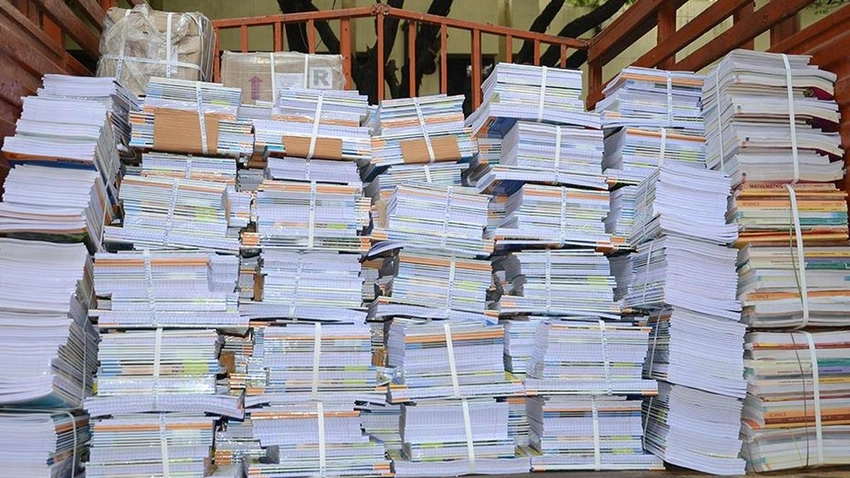
New Delhi witnessed a nationwide education uproar after the Supreme Court ordered the immediate seizure of physical copies and takedown of digital versions of the controversial Class 8 Social Science textbook “Exploring Society: India and Beyond, Social Science Grade 8 Part 2,” which includes a chapter titled “Role of Judiciary in Our Society.” The court’s suo motu writ petition move set in motion a sweeping response that seeks to curb dissemination of content deemed to present the judiciary in a negative or misleading light. It also requires swift compliance from publishers and digital platforms to remove the content without delay and to furnish a compliance affidavit.
In the wake of the court order, the National Council of Educational Research and Training (NCERT) released a formal advisory urging individuals and organisations who possess the book to return it at the earliest. The advisory specifies that the material should be handed over to the head of the Department of Education in Social Sciences (DESS) or to the Publication Division of NCERT at Sri Aurobindo Marg, New Delhi. Additionally, NCERT asked that any content related to the chapter “Role of Judiciary in Our Society,” if shared on social media or other digital platforms, be deleted promptly. The advisory stressed that the NCERT has withdrawn the textbook from circulation.
The government’s education ministry had previously written to the secretaries of the Information and Broadcasting (I&B) Ministry and the Ministry of Electronics and Information Technology (MeitY), requesting immediate action to stop the further dissemination of the withdrawn material through digital platforms and electronic media. The Union of India and its agencies were explicit in their directive to ensure the book’s removal from all physical and digital channels, with a formal affidavit-style compliance report to be placed on record. The court’s directive adds that show-cause notices may be issued as part of the accountability process, underscoring the seriousness with which the judiciary is treating the matter.
Following the developments, NCERT also announced a probe into identifying individuals responsible for incorporating the controversial material into the textbook, signaling an escalation from a regulatory response to an internal review. The government’s latest steps come amid public debate over the balance between curricular freedom and safeguarding against potential biases or misinformation in educational material. As the case unfolds, educators, students, and parents are watching closely to understand how this dispute might influence curriculum oversight, textbook approvals, and the vetting process for future publications in the country’s school system.
The episode, centered in New Delhi, highlights tensions between constitutional protections, educational autonomy, and the role of state institutions in shaping what students read at a formative age. While authorities argue for accountability and the integrity of textbooks, critics caution against overreach and censorship, emphasizing the importance of contextual, well-sourced content that fosters critical thinking in classrooms.
