Bootleg vs. Brand: Why Unofficial Merch is Winning Over Gen Z

Bootleg vs. Brand: Why Unofficial Merch is Winning Over Gen Z
Discover why fans are ditching official gear for unique, affordable bootleg merchandise, fueled by social media and a craving for authentic experiences. The gray market is booming!
The Unstoppable Rise of Unofficial Merch
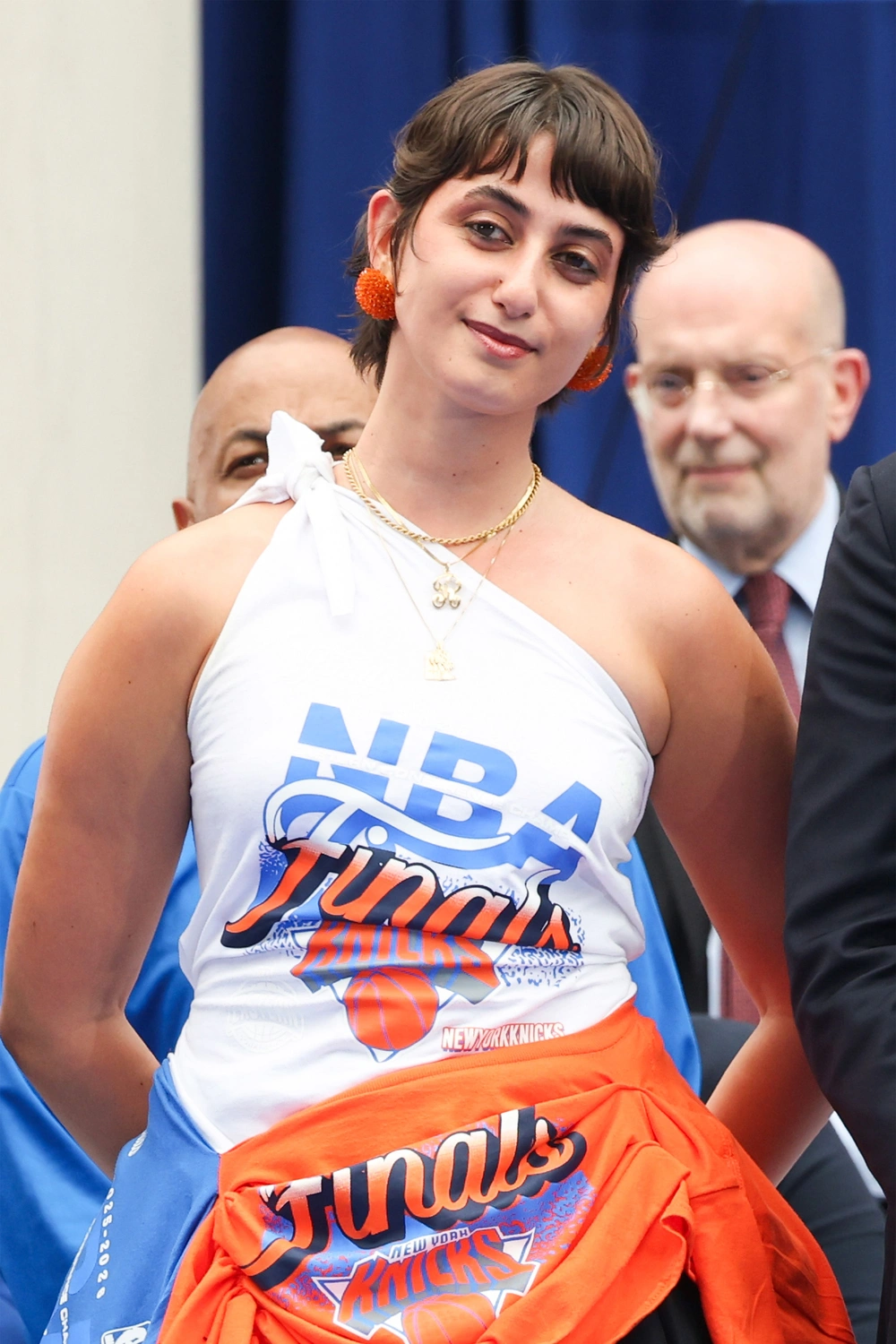
Why are fans flocking to unofficial merchandise, even when the real deal is available? It's a phenomenon sweeping major cities, turning concert venues and sporting events into vibrant, unsanctioned marketplaces. From Harry Styles's record-breaking Madison Square Garden residency to the Knicks's thrilling championship run and the World Cup frenzy, street vendors are seeing unprecedented demand for bootleg gear.
Many fans enthusiastically claim that “the designs are way cuter” and more unique than official offerings.
Beyond the Price Tag: The Experience Factor
This isn't just about saving a few bucks, though price certainly plays a role in its broad appeal. It's about being part of an authentic, often spontaneous, experience. Imagine the scene: haggling playfully with a vendor outside a packed Madison Square Garden, striking a deal for three exclusive Harry Styles shirts.
That moment becomes more than just a transaction; it's a memorable interaction, a story to tell, an integral part of the event itself. As one seasoned bootleg vendor, Rob, insightfully puts it,
This is part of the experience, coming to the show, buying a shirt, going inside. This is part of the fun.
This ethos resonates deeply with fans, making the acquisition of bootleg gear a ritual.
The Gray Market in Plain Sight
While the production and sale of such items technically skirts trademark laws, the landscape of enforcement has become surprisingly lax. Experts in sports law observe that companies are “definitively not enforcing it at the level that we used to.” This relaxed approach has allowed a robust, unregulated market to flourish, particularly in bustling cultural hubs like New York City.
Here, you'll find entrepreneurial vendors near iconic venues, subway stations, and parks, ready to meet the fervent demand for everything from custom Knicks jerseys to specialized World Cup kits and unique Harry Styles swag.
Gen Z and the Digital Drive
The bootleg boom is intrinsically linked to today's digital-first culture. Gen Z, in particular, is driving this trend. They're not just buying a shirt; they're buying into a moment, a community, and a statement.
Influencers on Instagram and TikTok are openly promoting these unique products, sharing hauls and styling tips.
Fans, in turn, are actively sharing secret intel on where to find the best swag in group chats, transforming the search for bootleg merch into a shared adventure. The resulting “black market operating in plain sight” thrives on authenticity, speed, and a direct connection to immediate fan desires.
Why Official Merch Can't Always Compete
Official brands, while striving to adapt with sophisticated pop-up shops offering exclusive perks, often struggle to capture the same raw, immediate appeal. While these official outlets become “marquee events” in their own right, drawing four-to-six-hour lines in places like Lower Manhattan for Harry Styles's pop-up, they can't always keep pace.
The overall demand for merchandise is immense, and official channels can face supply chain hurdles or simply lack the agility of independent creators. Bootleggers, unburdened by corporate red tape, can react faster, offer more diverse and often more personalized designs, and cater directly to what fans are really looking for - often at a more accessible price point.
What's Next for Fandom?
This vibrant, unofficial economy signals a clear shift in fan culture. For many, especially among younger demographics, the connection to the culture, the community, and the unique, often irreverent, aesthetic triumphs over strict brand loyalty. In this evolving landscape, bootleg merch isn't just surviving; it's thriving, becoming an undeniable winner in the battle for fan wallets and hearts.
