Masters Favourites Reveal The Secret to Conquering Augusta

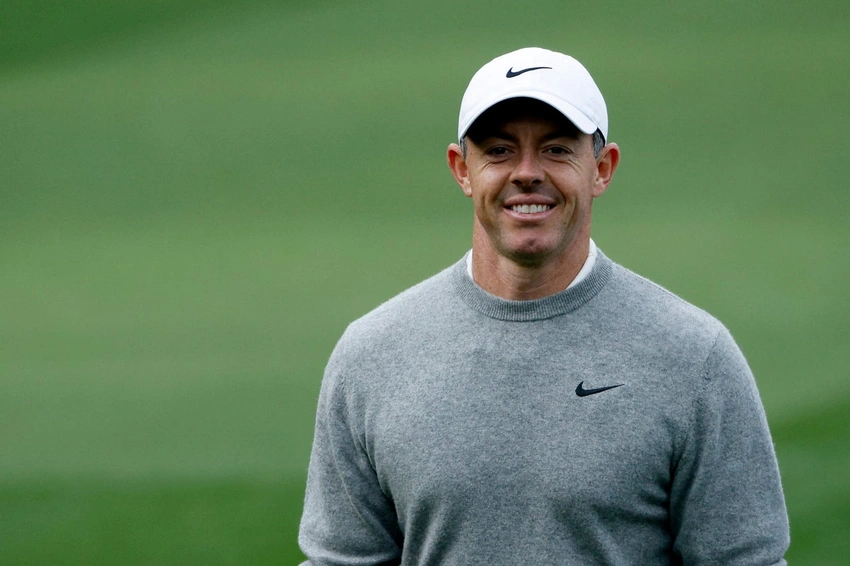
Masters Favourites Reveal The Secret to Conquering Augusta
Favourites share the psychology, patience and precision needed to master Augusta's toughest test, from avoiding flag-hunting to serene Amen Corner.
Augusta National has a way of testing more than length; it demands nerves, patience and a deep map of a course that seems to evolve every year. The Masters remains a psychological marathon where experience often trumps raw power. A notebook from 2014 sits on Matt Fitzpatrick’s shelf: during a practice round that year, Justin Rose offered a piece of advice that stuck. “Never go flag hunting on the first hole. Hit it centre of the green and leave yourself 20 feet every time, you’re never going to go wrong,” Fitzpatrick recalls. He was just 19 and missed the cut then, but that nugget has traveled with him as he learned Augusta’s quirks over the years.
Experience is the key that unlocks Augusta National, as players begin to understand each green’s quirks, each knuckle, each wrinkle, each innocent crater that can carry the ball into a treacherous valley. There is a reason no debutant has won since 1979. The first hurdle is the psychology of simply playing golf at Augusta, where rules and traditions add a layer of pressure. Robert MacIntyre says he is still “on edge” walking the grounds, wondering if he is allowed to step on certain bits of grass. The course’s beauty—azaleas in bloom and flowering crab apples—frames a tension that never fully relaxes.
There is almost no respite from watching patrons, except for a few spaces of quiet. “You’re playing the green on 12 and the tee shot on 13 with virtually nobody there,” one player notes. “If you make a putt on 12, you hear a two-second delayed cheer from the grandstands at 12, but you don’t know if it’s someone on 11, a scoreboard change, or your shot.” It’s a moment of peace within the madness, a reminder that Augusta’s drama unfolds at its own deliberate pace.
Looking ahead, the field features defending champion Rory McIlroy and other heavyweights such as Scottie Scheffler, Jon Rahm and Bryson DeChambeau who are tipped to wear the green jacket. Yet the experts emphasize that the real winner is the player who blends meticulous preparation with a calm, adaptable mindset—someone who trusts the process more than chasing the perfect shot. Augusta’s tradition and geometry demand respect, not bravado, and the mastery lies in navigating its greens, bunkers and fragile rhythms with steady hands.
To conquer Augusta, a balance of planning, practice and presence matters as much as power. The Masters endures because mental edges can trump pure mechanics, and each practice round adds a line to the notebook that could guide a champion when the pressure is highest.
