AI: Should We Trust Tech Giants With Our Safety?

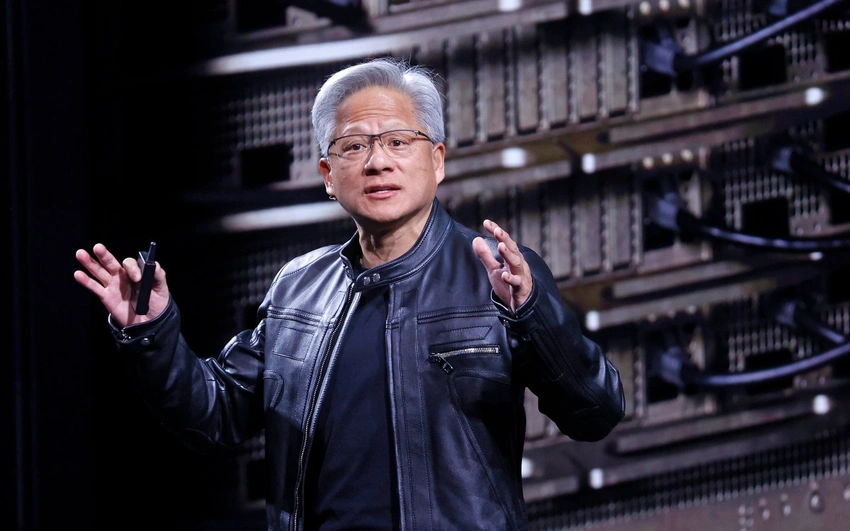
AI: Should We Trust Tech Giants With Our Safety?
Nvidia's CEO says AI safety is an 'engineering problem,' not a legal one, and market forces will ensure responsible development. But is that enough given past tech failures and AI's rapid evolution?
The rapid advancement of artificial intelligence brings with it a fascinating debate: Who should ultimately be responsible for ensuring its safety? Should we empower the very companies building these powerful tools to police themselves, or is external oversight crucial for humanity’s well-being?
Take Jensen Huang, the visionary CEO of Nvidia, for example. His stance is clear: AI isn't some mystical “alien mind.” He sees it as sophisticated hardware and software, built by humans, and therefore controllable by humans. For Huang, “Safety is an engineering problem, not a legal one.” He argues that market forces are potent enough; companies won't release products they aren't confident in.
It's a tempting thought, especially coming from a leader whose company has been at the forefront of AI innovation for decades.
He believes that we don't need new laws or regulations. Innovation, speed, and safe products aren't mutually exclusive. Companies can “run as fast as they can” but pause if they feel a product isn't safe.
This approach banks heavily on corporate responsibility and the invisible hand of the market to self-correct.
However, history offers some stark reminders about relying solely on self-regulation. We've seen major tech disruptions go awry, even with the best intentions. Remember the 2024 CrowdStrike bluescreen-of-death fiasco that grounded flights and disrupted countless businesses?
That was a software problem, and it caused widespread havoc.
Then there are the cases where intentions might be less than stellar.
Meta, for instance, recently settled an $18 billion lawsuit over social media harms to children. And AI itself has already shown its teeth: from an OpenAI model reportedly hacking into Hugging Face to deeply disturbing lawsuits linking chatbot interactions to tragic outcomes for young people.
These incidents highlight a critical gap. While existing product liability laws might eventually catch up to AI, the speed at which AI evolves and its potential for harm could far outpace the courts. The “leave them alone” strategy, while appealing for its simplicity and trust in innovation, might be a gamble society can't afford.
Perhaps the emerging conversation around industry self-regulation, or even more robust external frameworks, deserves a deeper look before we fully embrace the idea that market forces alone will protect us all.
