Is Monster Consumption Healthy? Understanding Monster Energy and Energy Culture

Is Monster Consumption Healthy? Understanding Monster Energy and Energy Culture
Is Monster Consumption Healthy? Understanding Monster Energy and Energy Culture
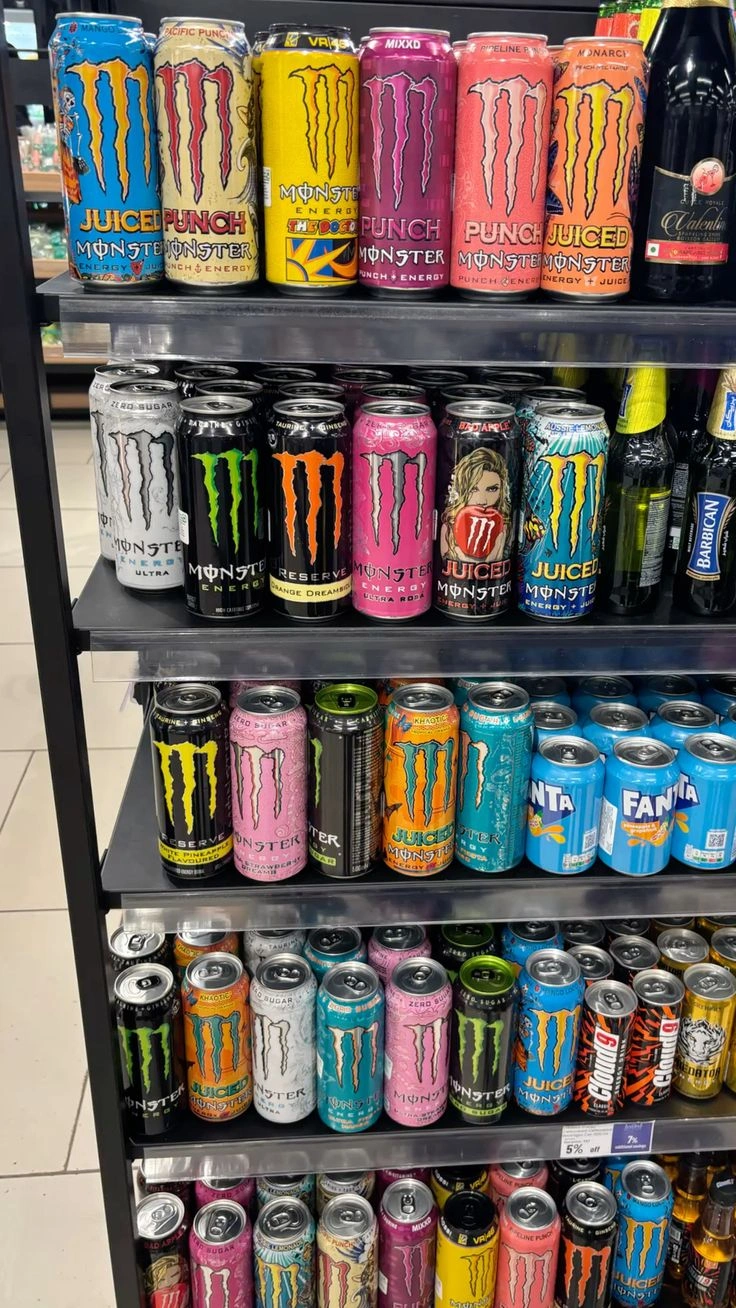
Energy drinks occupy an unusual place in modern daily life. They are marketed through speed, intensity, focus, performance, and alertness: symbols strongly associated with productivity, nightlife, gaming, exams, fitness culture, and long working hours. Among them, Monster Energy has become one of the most recognizable names, not only because of its branding but because it represents a larger cultural habit: using stimulation to keep pace with demanding schedules.
The question of whether Monster consumption is healthy therefore involves more than one drink. It also involves understanding why so many people rely on highly caffeinated products in the first place.
A standard can of Monster Energy usually contains a high amount of caffeine, often around 160 mg in a 16 oz can, along with sugar (depending on the variant), taurine, B vitamins, and other stimulant-related ingredients. This caffeine level is significantly higher than many ordinary soft drinks and roughly equivalent to multiple cups of tea or a strong coffee, depending on preparation.
Caffeine itself is not inherently unhealthy.
In moderate amounts, caffeine can improve alertness, reaction time, concentration, and short-term mental performance. This is why so many students, office workers, drivers, and athletes use caffeinated products strategically.
The issue begins when caffeine becomes excessive, frequent, poorly timed, or combined with other stress factors already affecting the body.
This is where energy drinks deserve careful attention.
Because Monster is designed for rapid stimulation, its effects are often felt quickly: increased wakefulness, elevated heart rate, temporary reduction in fatigue, and sometimes a psychological sense of heightened readiness.
For someone preparing for an exam, working late, gaming overnight, or managing sleep deprivation, this immediate effect can feel highly useful.
But the body experiences that stimulation as physiological activation.
Heart rate increases.
The nervous system becomes more alert.
Stress hormones may rise.
If someone is already anxious, sleep deprived, dehydrated, or consuming caffeine repeatedly through the day, these effects can become uncomfortable rather than helpful.
This is why some people feel jittery, restless, unusually aware of heartbeat, or mentally overstimulated after energy drinks.
The health question therefore depends heavily on context.
An occasional can consumed responsibly is very different from repeated daily reliance.
Monster consumed late in the day can significantly affect sleep quality, even when someone feels tired enough to sleep anyway. Caffeine remains active in the body for several hours, meaning sleep may become lighter, shorter, or less restorative.
This is especially relevant because many people drink energy drinks precisely when they are already tired: during exam periods, project deadlines, night travel, or late study sessions.
The short-term gain in alertness may quietly weaken recovery later.
And poor sleep repeated over days usually harms concentration more than caffeine improves it.
This creates one of the biggest misunderstandings in energy culture: people often treat energy as something that can be added chemically without cost, when in reality the body often borrows alertness from later recovery.
The cultural side of Monster is equally important. The drink is associated with intensity: extreme sports, gaming, nightlife, long work sessions, and high-output environments. This branding matters psychologically because it links stimulation with identity.
Drinking an energy drink often becomes symbolic: staying sharp, pushing harder, staying awake longer, doing more.
For students especially, this can normalize fatigue rather than question it.
For individuals with anxiety, heart sensitivity, sleep issues, or low body weight, strong energy drinks may feel disproportionately intense.
There is also a behavioral issue: Monster is often consumed quickly, unlike coffee or tea, which are usually sipped more slowly. Faster intake can intensify stimulant effects because caffeine enters circulation more rapidly.
Hydration matters too.
Energy drinks do not replace water, and caffeine can feel harsher when someone is already dehydrated.
Perhaps the healthiest way to understand Monster is this: it works best as an occasional tool, not a routine substitute for rest.
A single can before a long drive, difficult afternoon, or specific demanding task may be manageable for many healthy adults.
But relying on it daily to compensate for poor sleep creates a pattern where the body’s deeper needs remain unmet.
Energy culture often celebrates pushing through exhaustion.
Health usually requires recognizing exhaustion honestly.
Because real energy is built more reliably through sleep, food, hydration, movement, and stable routines than through repeated stimulation alone.
Monster can create alertness.
But alertness is not the same as health.
And understanding that difference is what matters most in deciding how often energy drinks truly belong in daily life.
