Rubble Survival: The Critical Factors for Life After Disaster

Rubble Survival: The Critical Factors for Life After Disaster
Discover the crucial elements determining survival time under rubble after a disaster. Learn about the importance of water, air, and rapid rescue efforts. #SurvivalFacts
When disaster strikes and buildings collapse, a chilling question often arises: How long can someone survive trapped beneath the rubble? The answer, while complex and deeply individual, hinges on a few critical factors that determine the precious window of survival.
One of the most immediate and vital elements is access to water. Dehydration can set in rapidly, especially in stressful and often hot environments. Without water, human life can only be sustained for a few days at best. Any small source, even condensation, can significantly extend a person's chances.
Equally crucial is the availability of breathable air and the size of the void space. If a person is completely crushed or in a tiny, airless pocket, survival time is drastically reduced. However, if they are in a "void space" where debris creates a pocket of air, and the air quality is not too dusty or toxic, they can last much longer. The ability to breathe and move even slightly can make a profound difference.
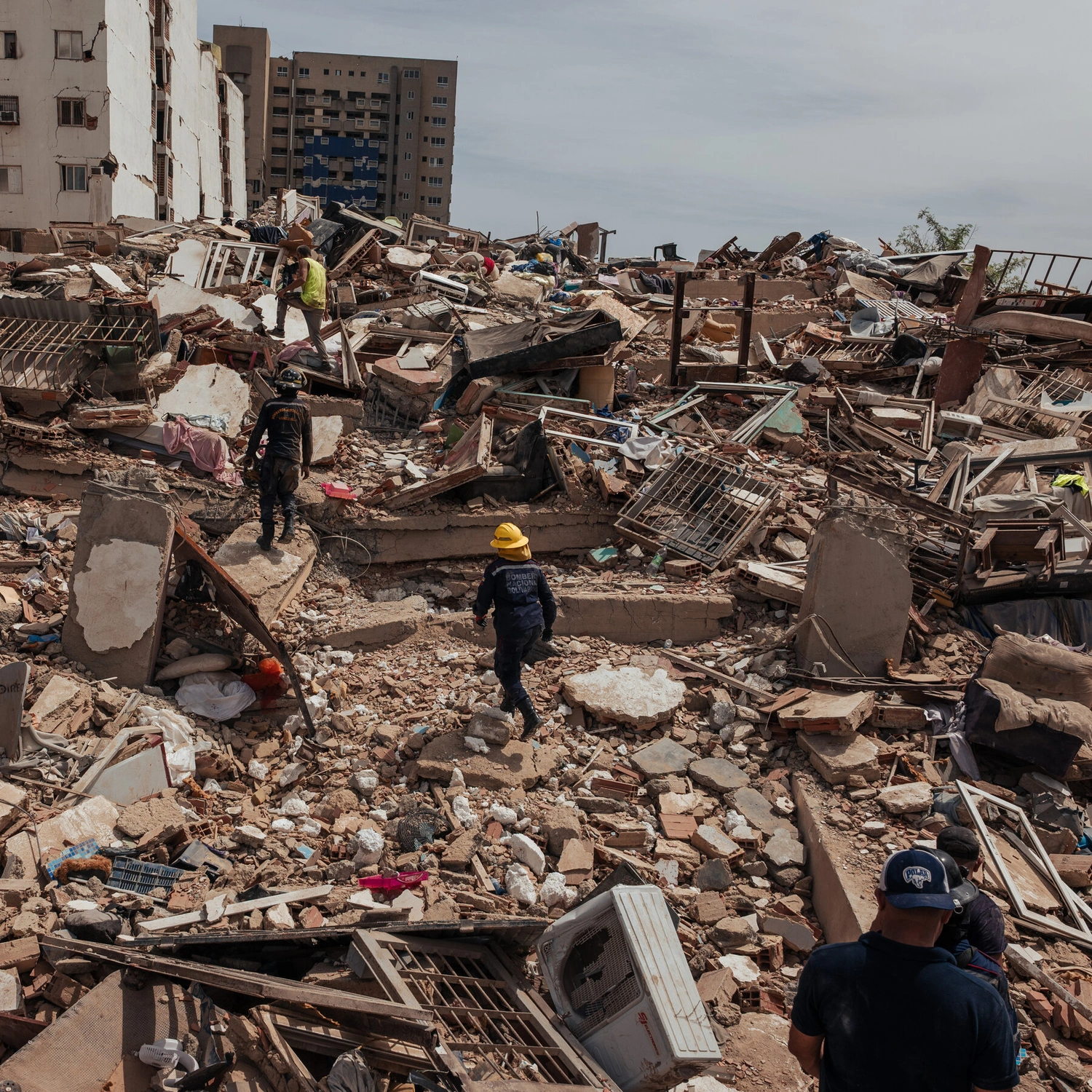
Finally, the speed and efficiency of rescue operations are paramount. Every hour counts. Specialized search and rescue teams, often accompanied by sniffer dogs and advanced listening equipment, work tirelessly to locate survivors. Their rapid deployment and ability to navigate dangerous conditions directly impact the number of lives saved.
Understanding these factors not only sheds light on the incredible resilience of the human body but also underscores the heroic efforts of rescuers and the importance of disaster preparedness worldwide. While survival is never guaranteed, optimizing these conditions offers the best hope for those trapped.
