Straight Outta Compton: The Album That Sparked a Revolution & Fought the Law

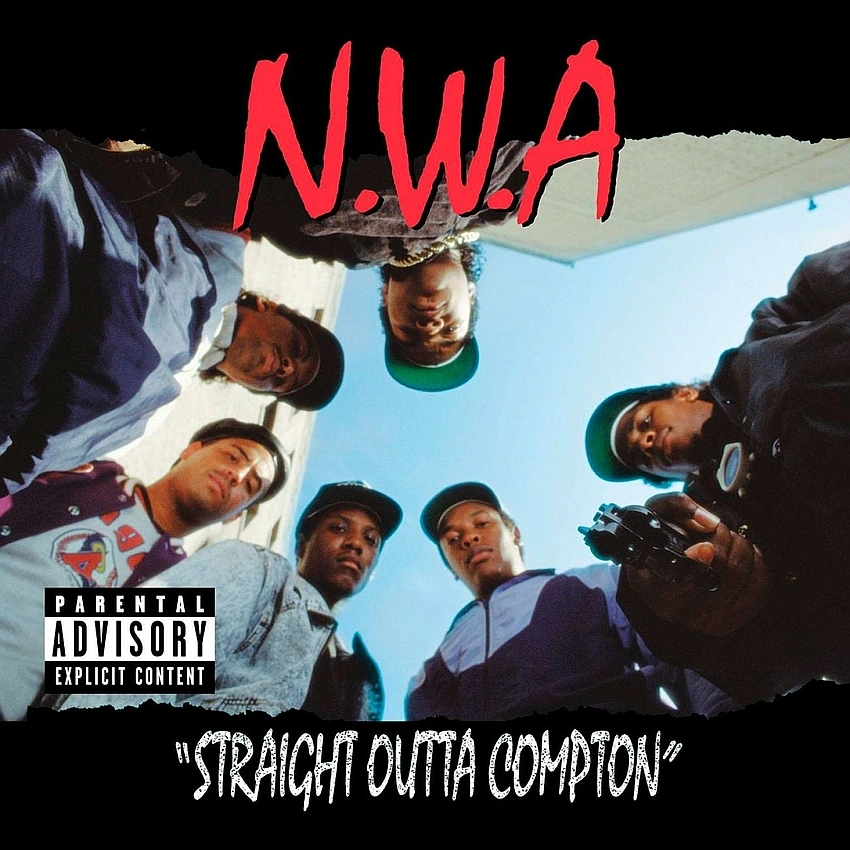
Straight Outta Compton: The Album That Sparked a Revolution & Fought the Law
Unpack N.W.A's explosive debut, 'Straight Outta Compton.' Explore its raw West Coast sound, the groundbreaking tracks, and the fierce censorship battles that forever changed music and free speech.
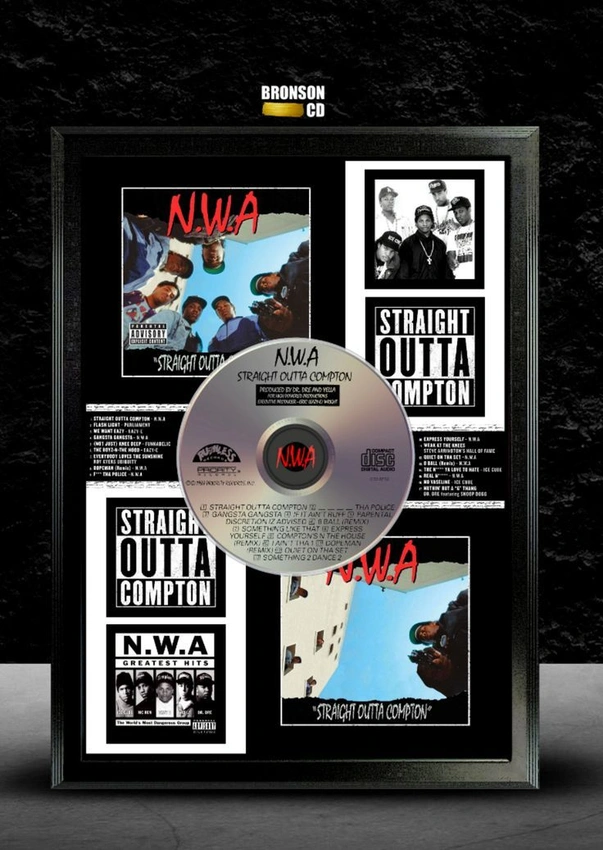
N.W.A's 1988 debut, Straight Outta Compton , didn't just drop into the music world-it detonated. It was a sonic Molotov cocktail, igniting a cultural firestorm and forever etching West Coast gangsta rap into the annals of music history. From its opening declaration, 'You are now about to witness the strength of street knowledge,' it was clear this was a different beast entirely.
Its raw, unfiltered portrayal of life in South Central Los Angeles forced America to confront realities many preferred to ignore, laying the groundwork for hip-hop's future as a dominant cultural force.
The Unapologetic Sound of Compton
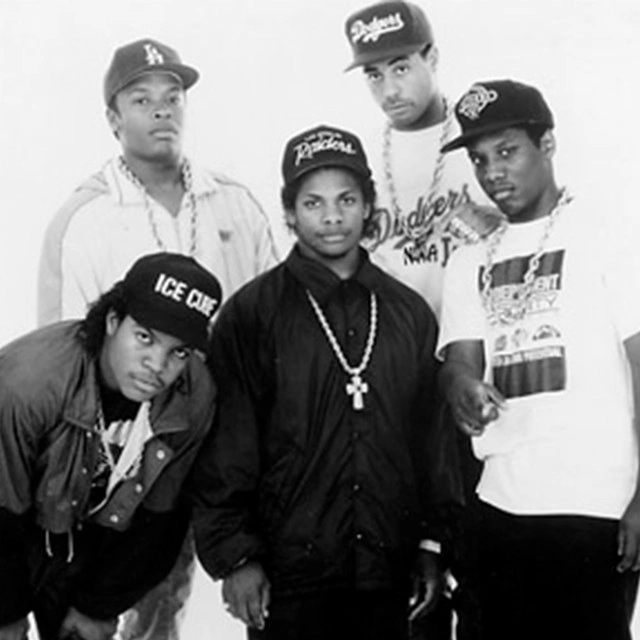
Before Straight Outta Compton , the West Coast rap scene, while vibrant, hadn't produced anything quite so visceral. Dr. Dre's groundbreaking production, laced with menacing samples and heavy basslines, provided the perfect backdrop for Ice Cube, Eazy-E, and MC Ren's stark, narrative lyricism.
The title track, “Straight Outta Compton,” served as an anthem, introducing listeners to a world of police harassment, poverty, and violence, all delivered with an unapologetic swagger that was both terrifying and magnetic. It was truth-telling in its most confrontational form, reflecting experiences often overlooked or demonized.
“Fuck tha Police” and the Feds' Fury
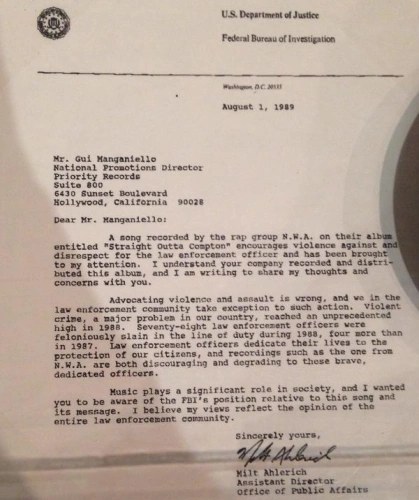
Perhaps no song encapsulated the album's confrontational spirit-or its capacity to provoke-quite like “Fuck tha Police.” A searing, theatrical depiction of police brutality and racial profiling, it was less a suggestion and more a furious indictment. This track didn't just cause a stir; it triggered a direct response from the FBI. M. N.
Wayne, Assistant Director of the FBI, famously sent a letter to Priority Records, N.W.A's distributor, condemning the song and warning against its promotion. This unprecedented intervention elevated the group from controversial rappers to reluctant free speech champions, turning their local frustrations into a national debate.
PMRC, Parental Advisory, and the Fight for Free Speech
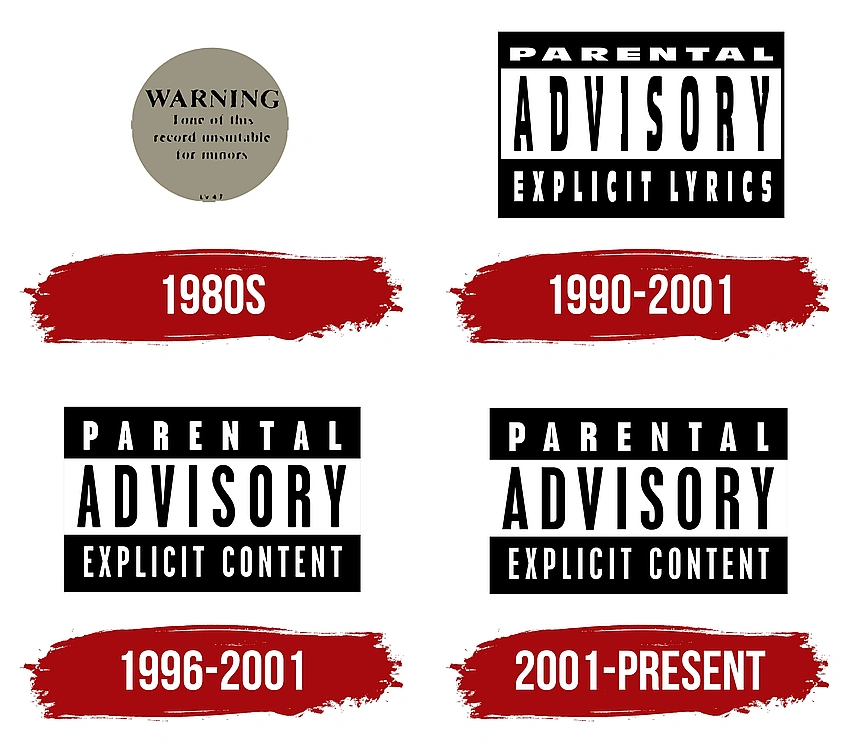
While the FBI letter brought official heat, N.W.A also found themselves squarely in the crosshairs of the Parents Music Resource Center (PMRC), co-founded by Tipper Gore. The PMRC, known for pushing for 'Parental Advisory' stickers on albums, saw N.W.A's explicit lyrics as a threat to societal morality.
The group's defiance, refusal to back down, and the sheer popularity of Straight Outta Compton made them a lightning rod in the ongoing culture wars. Their album became a symbol not just of musical rebellion, but of the broader struggle for artistic freedom against censorship.
“Our art is a reflection of our reality. It's not about being provocative, it's about telling the truth.” - Ice Cube on N.W.A's mission.
Its Enduring Legacy: More Than Just Music
Straight Outta Compton wasn't just a commercial success; it was a cultural earthquake. It validated the experiences of countless young people in urban communities and gave a voice to the voiceless. It paved the way for countless West Coast artists, from Snoop Dogg to Kendrick Lamar, to tell their own stories with uncompromising honesty.
More broadly, it helped cement hip-hop's place as a powerful medium for social commentary and gave a defiant middle finger to those who sought to silence marginalized voices. The album's impact on music, free speech, and even race relations remains undeniable, proving that sometimes, the most important art is the most uncomfortable.

Why Does This Noise Still Resonate?
Decades later, Straight Outta Compton continues to be studied, celebrated, and debated. Its themes of systemic inequality, police brutality, and the struggle for respect are, tragically, still profoundly relevant. The raw energy, the lyrical prowess, and the sheer audacity of N.W.A's vision continue to inspire new generations of artists and activists.
It's a testament to the album's power that it remains a touchstone for understanding both the evolution of hip-hop and the persistent challenges facing marginalized communities.
Give it a listen-you might be surprised by how much it still speaks to today's world.

Login to comment.
No thots yet. Be the first to share your thoughts!