G Ram G Bill to Replace MGNREGA with 125-Day Rural Work Guarantee

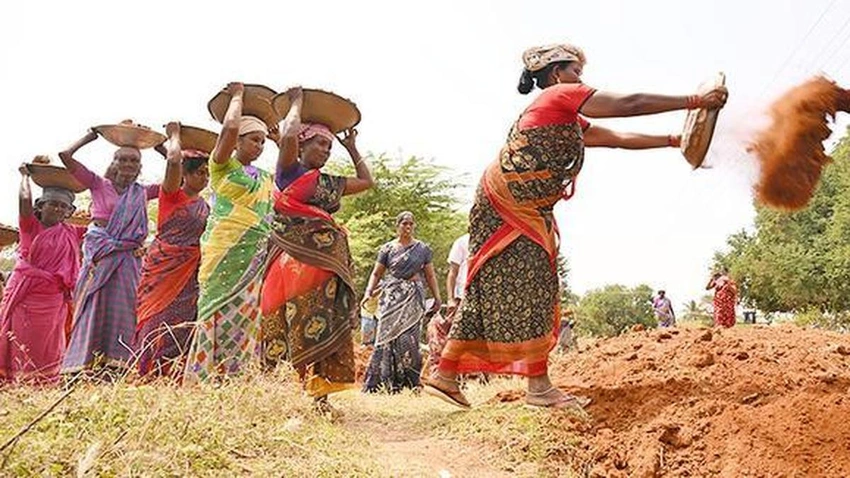
G Ram G Bill to Replace MGNREGA with 125-Day Rural Work Guarantee
New legislation aims to replace MGNREGA with VB-G RAM G, offering 125 days of wage employment and a revamped rural development framework.
The government is moving to replace the Mahatma Gandhi National Rural Employment Guarantee Act (MGNREGA) with the Viksit Bharat—Guarantee for Rozgar and Ajeevika Mission (Gramin) VB—G RAM G BILL, 2025. The new scheme promises 125 days of unskilled manual labour per financial year to every rural household whose adult members volunteer for work, marking a significant shift in the country’s approach to rural livelihoods. It frames a rural development strategy aligned with a broader national vision for Viksit Bharat @2047, emphasizing empowerment, growth, convergence and saturation across rural India.
Under the VB—G RAM G Bill, work will be organized through a national rural infrastructure stack with a focus on water security, core rural infrastructure, livelihood-related projects, and special measures to mitigate extreme weather events. The bill also sets out a fund-sharing pattern for implementation: a 90:10 central-to-state ratio for North Eastern States, Himalayan States, and certain union territories, and 60:40 for other states and union territories with legislatures. This represents a shift from the 100% central funding model of MGNREGA, and the bill bans VB G RAM G-related works during agricultural seasons for the first time, signaling a rebalanced calendar of rural job projects.
Proponents argue the plan will deliver a more targeted, growth-oriented rural economy by tying job guarantees to tangible public works that support water security and climate resilience. Critics, however, warn of potential implementation delays, bureaucratic hurdles, and the need for clear guidelines to ensure timely distribution of funds and transparent monitoring. As Parliament’s Winter Session progresses, the bill is poised to trigger a political debate around labour rights, fiscal responsibility, and the role of state governments in safeguarding rural livelihoods. Observers note that the outcome will hinge on the specifics of the implementation framework, the speed of approvals, and how effectively states coordinate with the center to roll out projects across diverse rural landscapes.
Cover image source: Government likely to bring Bill to repeal MGNREGA, bring new rural employment law 🔗
