Tariff Refunds Begin as Firms Seek Restitution, Price Pressures Loom

Tariff Refunds Begin as Firms Seek Restitution, Price Pressures Loom
The government starts processing tariff refunds after a court ruling; carriers file claims, raising questions about price impacts as refunds reach importers.
The government has begun accepting tariff refund requests after a court ruling declared the tariffs illegal. About 166 billion dollars collected from these tariffs will be refunded to roughly 300,000 importers. The refunds are meant to correct a policy that authorities later deemed unlawful and to return money that was paid under the contested tariffs.
The move comes as the Supreme Court ruled that the IEEA tariffs were illegal and that the United States could not keep the funds already collected. The refunds are being processed through a formal process, and importers across the country are now eligible to file claims for money they paid during the tariff period.
On Monday, the government opened the refunds intake, and logistics players are already taking action. UPS and FedEx have begun filing for some tariff refunds, signaling that the process is underway for businesses that relied on imports during the tariff era. However, officials caution that it could be months before funds reach customers due to administrative steps, verification requirements, and the sheer volume of claims.
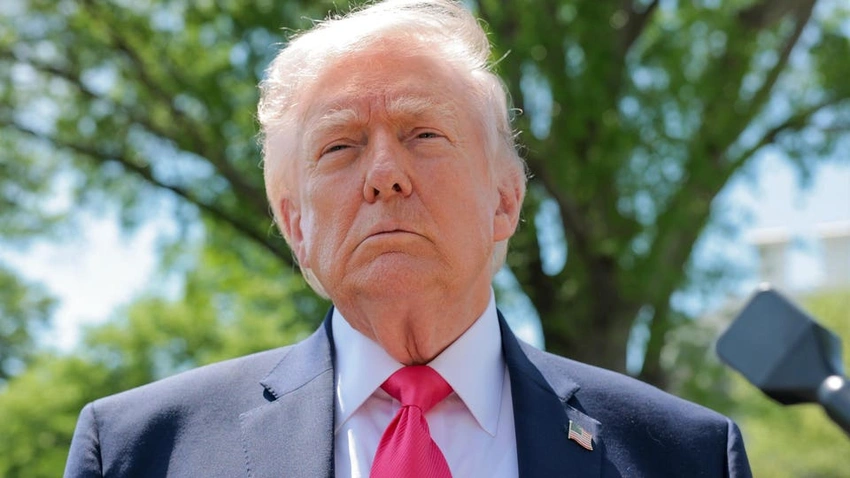
There is also a political dimension to the refunds. President Trump has said he will remember companies that do not apply for tariff refunds, adding a note of pressure that could influence how aggressively firms pursue refunds. The comment underscores the broader clash over the policy and who ultimately bears the costs.
Economists have warned that even with refunds, consumer prices could be affected. Some analysts expect pass-through effects or lingering price adjustments as supply chains recalibrate, suggesting that the impact on everyday costs may not be immediate or uniform. The refunds are intended to restore fairness, but the broader price dynamics and business costs tied to the tariff era remain a topic of debate as the system works through the backlog of claims.
