Trump Bans CNN, MS NOW, Politico From White House Over 'Fake News' Claims
Trump Bans CNN, MS NOW, Politico From White House Over 'Fake News' Claims
President Trump has banned CNN, MS NOW, and Politico from the White House, citing 'fake news.' This move sparks immediate outrage from press freedom groups and raises concerns about First Amendment rights. #PressFreedom
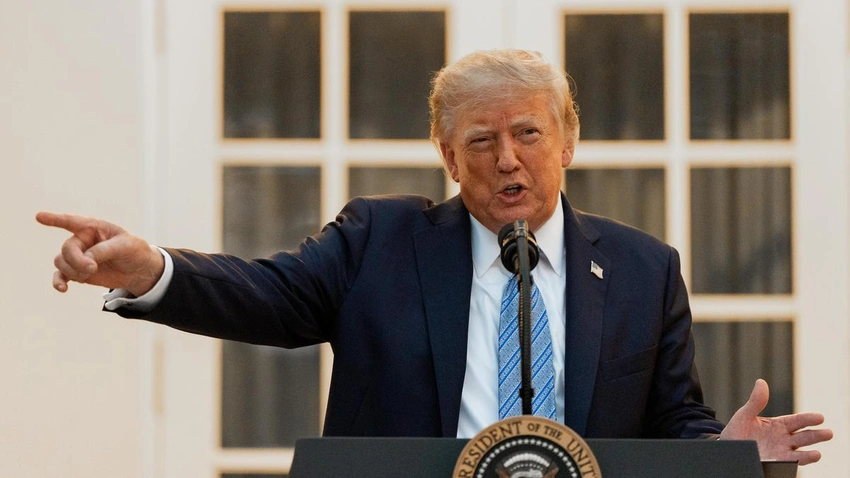
In a controversial move, former President Donald Trump announced on Friday, September 18, 2026, that he is immediately banning major news outlets CNN, MS NOW, and Politico from the White House. Trump, utilizing social media for his declaration, slammed these organizations for what he termed their 'constant fake news' and 'reporting fiction and lies' when covering his administration and the United States.
Trump's social media post didn't stop there; he also targeted Politico specifically, alleging they were recipients of an "illegal and ridiculous $8 Million Dollar subscription" from the U.S. government under "Crooked Joe Biden" to keep them "alive," suggesting corruption. He further warned that "Other Fake News Media Outlets to follow," singling out the New York Times and the Washington Post as "disgusting." Trump clarified in the Oval Office that the ban was not due to a specific story but rather the "cumulative" negative tone of their coverage, expressing a desire for more positive reporting.
The announcement sparked immediate and widespread condemnation from free-speech organizations and press groups. CNN swiftly responded, asserting their constitutional right to fair and accurate reporting without government interference, stating that any ban would be "an illegal assault" on these rights.
Politico also defended its reporting and First Amendment rights, refuting claims of government subsidies as "false and thoroughly debunked."
Mark Schoeff Jr., president of the National Press Club, decried the move as a
clear attempt to control which voices are allowed to witness and report on the exercise of presidential power
and an "unprecedented assault on press freedom." Seth Stern of the Freedom of the Press Foundation echoed these sentiments, calling it a "blatant violation of the First Amendment." This situation sets the stage for potential legal challenges and raises significant questions about the future of press access and freedom in the U.S.
