Owaisi's Hijab-Clad PM Dream Triggers Maharashtra Debate

Owaisi's Hijab-Clad PM Dream Triggers Maharashtra Debate
Asaduddin Owaisi envisions a hijab-clad woman as prime minister, highlighting constitutional inclusivity. Yet leaders in Assam and Maharashtra push back as Mumbai's civic polls loom.
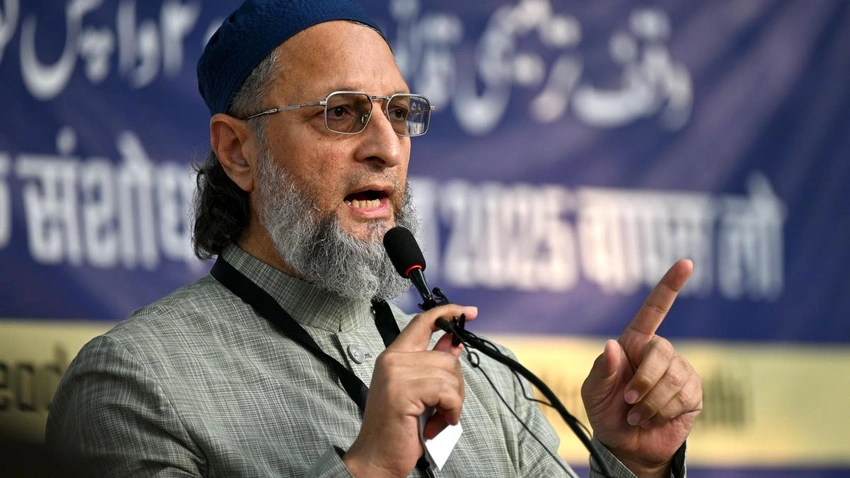
At a Solapur election meeting, Asaduddin Owaisi spoke of a future where a hijab-clad daughter could become Prime Minister, arguing that the Indian Constitution allows any citizen to rise to the top. He told reporters that 'Constitutionally, there is no bar. Anyone can become the Prime Minister. But India is a Hindu nation, Hindu civilisation, and we will always believe, and we are extremely confident that the Indian Prime Minister will always be a Hindu person.' He framed the idea as a reflection of constitutional inclusivity, contrasting it with Pakistan's approach.
Assam Chief Minister Himanta Biswa Sarma quickly pushed back, noting that while there is no legal barrier to anyone becoming PM, India—he asserted—remains a Hindu nation with a Hindu civilisation, and that people should not misread the inclusivity as a guarantee of leadership for all faiths.
BJP leaders joined the critique, with a spokesperson challenging Owaisi to appoint a Pasmanda or hijab-clad woman as president of AIMIM first, framing the comment as political theatrics during an election season.
In Maharashtra, a state minister echoed a similar sentiment, stating that India is a Hindu nation and that women in hijab or burqa would not reach top posts, suggesting they could look for opportunities in Islamic countries if they preferred. The remarks come amid campaigning for Mumbai's civic polls slated for January 15, with results due on January 16.
Observers say the debate underscores larger questions about constitutional rights, religious identity, and how political leaders frame inclusivity in an intensely contested electoral landscape. Voters will be listening for concrete policy positions as the campaign intensifies.
